Singapore Airlines has built a reputation for delivering one of the world’s most refined flying experiences. Whether travelers are booking a short regional journey or an ultra-long-haul flight across continents, the airline consistently ranks among the industry’s best for service, comfort, and cabin quality. Yet for many passengers, the biggest booking dilemma is not whether to fly Singapore Airlines—it is deciding between Premium Economy and Business Class.
The price difference can be substantial, often reaching thousands of dollars on long-haul routes. At first glance, Premium Economy appears to offer many of the comforts travelers want without the eye-watering cost of Business Class. However, Singapore Airlines has intentionally designed the two cabins to serve very different purposes.
Understanding exactly what each fare buys, where the extra money goes, and when an upgrade delivers genuine value can help travelers make smarter decisions in 2026.
Understanding Singapore Airlines Premium Economy Experience
Singapore Airlines introduced Premium Economy to bridge the gap between traditional Economy Class and its highly acclaimed Business Class product. Rather than creating a simplified business cabin, the airline focused on enhancing the economy experience through larger seats, improved dining, and additional personal space.
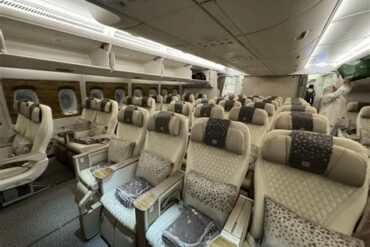
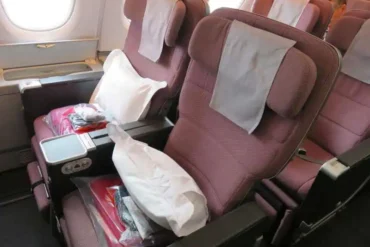
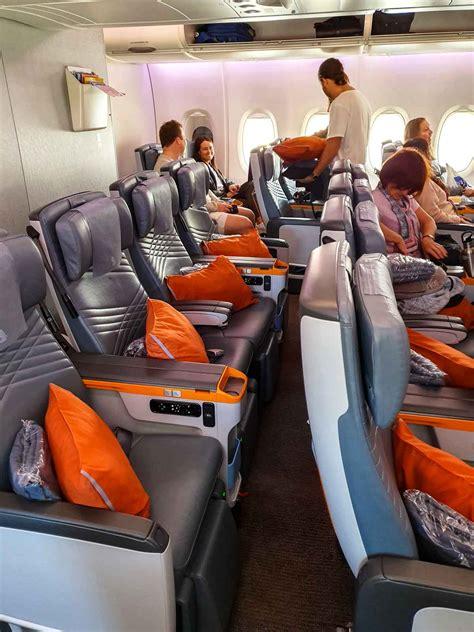
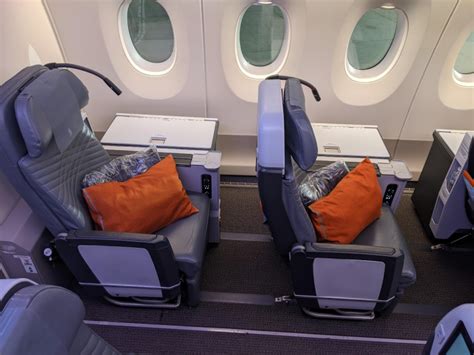
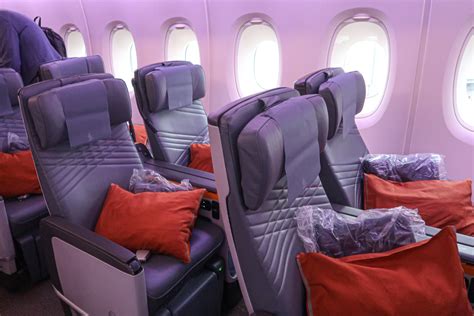
Passengers flying Premium Economy on the airline’s Airbus A350, Airbus A380, and Boeing 777 aircraft receive significantly more room than those seated in Economy Class. The cabin uses a spacious 2-4-2 seating configuration, which immediately creates a less crowded atmosphere.
Seats measure approximately 19.5 inches wide, noticeably broader than standard economy seats. The 38-inch seat pitch provides around six additional inches of legroom compared to the airline’s regular economy cabin. While six inches may not sound dramatic on paper, the difference becomes increasingly noticeable during flights lasting ten hours or longer.
Travelers also benefit from deeper recline, larger entertainment screens, noise-canceling headphones, and dedicated storage areas designed to improve comfort throughout the journey.
The overall experience feels more relaxed, more spacious, and considerably less fatiguing than economy travel.
One of the strongest selling points of Premium Economy is the enhanced meal service. Singapore Airlines serves upgraded meals with larger portions and additional menu choices compared to Economy Class. Dining is presented using improved tableware, creating a more premium feel even though the service remains simpler than Business Class.
Passengers also receive a small amenity kit that includes essentials such as slippers, lip balm, and an eye mask. These additions may seem minor individually, but collectively they contribute to a noticeably more comfortable long-haul experience.
Baggage allowances also improve. Premium Economy travelers receive a generous 35-kilogram checked baggage allowance, which sits comfortably between Economy and Business Class limits.
Despite these upgrades, Premium Economy remains fundamentally an enhanced economy product rather than a discounted version of Business Class.
Why Singapore Airlines Business Class Is a Completely Different Product
Many travelers assume Business Class is simply Premium Economy with slightly better food and more legroom. On Singapore Airlines, that assumption could not be further from reality.
The jump from Premium Economy to Business Class represents a move into an entirely different travel category.
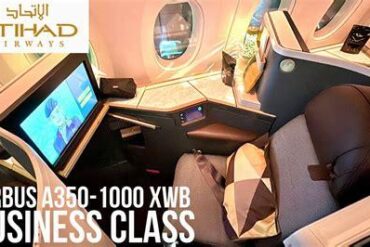
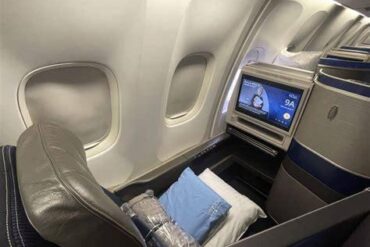
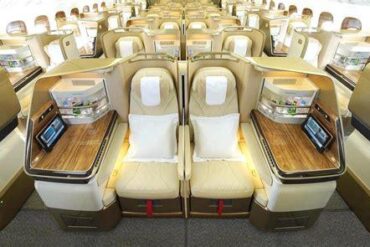
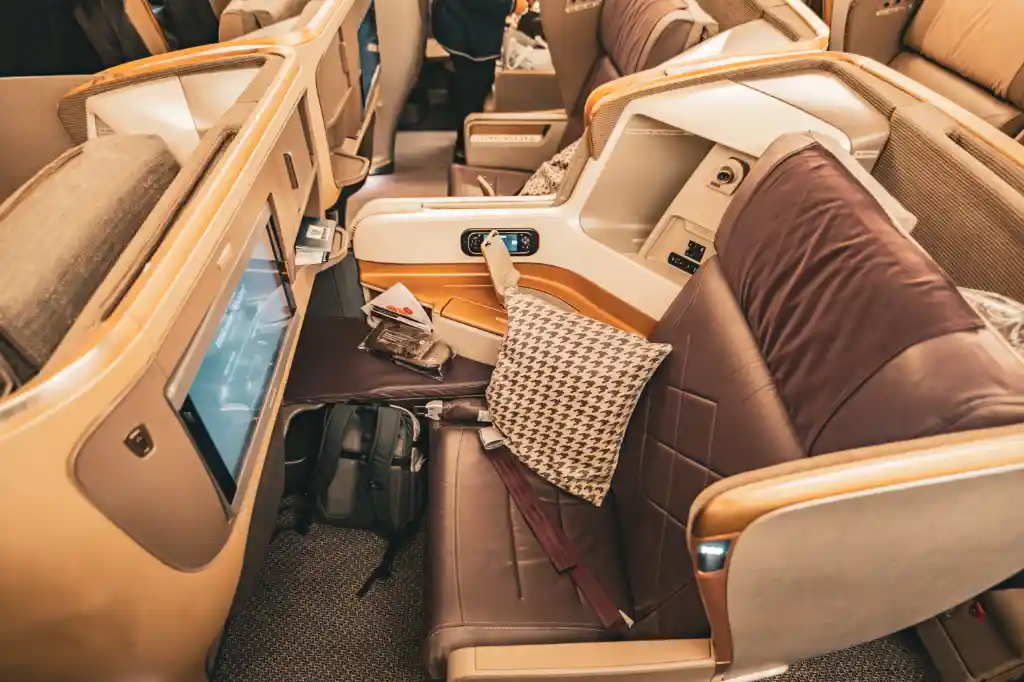
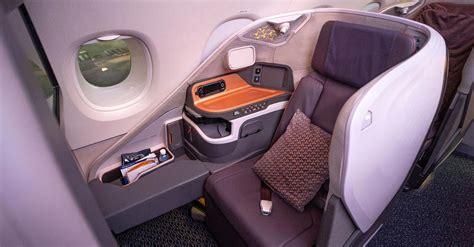
The most important distinction is the seat itself. Singapore Airlines Business Class seats transform into fully flat beds, allowing passengers to sleep horizontally during long-haul flights. This single feature changes the entire travel experience.
For overnight flights between Singapore and Europe, North America, or Australia, the ability to sleep flat can significantly reduce jet lag and improve arrival-day productivity.
No matter how comfortable a Premium Economy seat may be, it cannot replicate the restorative benefits of a proper bed in the sky.
Business Class passengers also enjoy significantly elevated dining standards. Meals are served course by course using premium table settings, fine china, and linen. Singapore Airlines collaborates with internationally recognized chefs to develop menus that often rival upscale restaurant experiences.
The airline’s famous Book the Cook service further enhances the offering on many routes, allowing passengers to pre-select gourmet meals before departure.
Before even stepping onboard, Business Class travelers gain access to the airline’s prestigious SilverKris Lounges, where they can enjoy restaurant-quality food, beverages, shower facilities, comfortable seating, and quiet workspaces.
Premium Economy passengers receive no lounge access regardless of fare type.
Priority check-in, priority boarding, faster baggage handling, and increased flexibility further separate Business Class from Premium Economy.
The experience is not simply better—it is fundamentally different from beginning to end.
Singapore Airlines Premium Economy Fare Tiers Explained
Singapore Airlines structures Premium Economy pricing through three distinct fare categories.
Premium Economy Lite
The Lite fare is the lowest-priced entry point into the cabin. While passengers still enjoy the same seat and onboard experience, several restrictions apply.
Seat selection generally requires an additional fee, flight changes incur penalties, and mileage earning remains at the base level.
This fare primarily appeals to leisure travelers prioritizing affordability.
Premium Economy Standard
The Standard fare introduces complimentary seat selection at booking, giving travelers greater control over their seating arrangements without substantially increasing the ticket price.
This option strikes a balance between flexibility and value.
Premium Economy Flexi
The Flexi fare targets frequent flyers and business travelers seeking greater flexibility.
Passengers can make changes without fees, earn 110% KrisFlyer miles, and, perhaps most importantly, become eligible for Business Class upgrades using KrisFlyer miles.
For regular Singapore Airlines customers, this upgrade eligibility can dramatically increase the value of the ticket.
Singapore Airlines Business Class Fare Tiers
Business Class fares are generally simpler.
Passengers choose between Business Lite and Business Flexi.
Both fare categories include:
- Lie-flat seats
- SilverKris Lounge access
- Premium dining
- Priority airport services
- 40-kilogram baggage allowance
The primary difference lies in flexibility and mileage accumulation.
Business Lite earns 125% KrisFlyer miles while Business Flexi earns 150% KrisFlyer miles and includes more generous change and cancellation policies.
Regardless of fare tier, travelers receive the same premium onboard experience.
Actual Singapore Airlines Premium Economy and Business Class Prices in 2026
Pricing differences become particularly interesting when examining real-world fare examples.
Singapore Airlines’ published fares from New Zealand reveal how the airline positions Premium Economy against Business Class across various route lengths.
On long-haul routes to Europe, including London and Paris, Premium Economy fares begin at approximately $3,280, while Business Class fares start around $5,180.
The difference amounts to roughly $1,900.
Expressed differently, Business Class costs approximately 58% more than Premium Economy.
While this may initially appear expensive, context matters.
A return journey between New Zealand and Europe often involves nearly 48 hours of total travel time, including connections through Singapore. Over such lengthy journeys, the value of a lie-flat bed increases significantly.
Many travelers find that spreading the additional cost across nearly two full days of travel makes the upgrade easier to justify.
Shorter routes tell a different story.
Flights from New Zealand to destinations such as Phuket and Da Nang show Premium Economy fares starting near $1,880, while Business Class begins around $2,990.
Here, the price difference falls to approximately $1,110.
Although Business Class still costs roughly 59% more, the practical value of the upgrade changes because the flight duration is considerably shorter.
When travelers are not attempting to sleep overnight, the benefits of a lie-flat seat become less critical.
As a result, Premium Economy often delivers stronger value on shorter daytime routes.
Where the Extra Money Actually Goes
Many travelers naturally ask where the additional money goes when upgrading from Premium Economy to Business Class.
The answer becomes clear when examining the economics of airline cabin design.
A Business Class seat occupies dramatically more floor space than a Premium Economy seat. Airlines can often install two or even three Premium Economy seats in the space required for one Business Class suite.
This reduced passenger density directly affects revenue potential.
The larger seat footprint must therefore generate substantially higher yields.
Additionally, Business Class passengers receive premium lounge access, enhanced catering, larger baggage allowances, greater service ratios, and more extensive airport privileges.
Every element adds operational cost.
The lie-flat seat itself represents one of the most expensive components. These sophisticated seats contain complex mechanisms, advanced electronics, and premium materials that cost airlines significantly more than traditional reclining seats.
The fare difference reflects not only passenger comfort but also the considerable investment required to deliver the experience.
When Premium Economy Delivers the Best Value
Premium Economy shines brightest under specific travel circumstances.
Daytime flights are perhaps the strongest example.
When passengers do not intend to sleep extensively, the advantages of Business Class diminish considerably. A wider seat, extra legroom, superior meals, and reduced cabin density often provide everything necessary for a comfortable journey.
Travelers paying out of pocket frequently find Premium Economy offers the best balance between comfort and affordability.
Long-haul leisure travelers also benefit substantially.
Compared to Economy Class, Premium Economy dramatically improves personal space and overall comfort while avoiding the steep financial leap into Business Class.
For families or couples traveling together, the savings can easily reach several thousand dollars.
Those savings may be better spent on hotels, activities, or extending the vacation itself.
Premium Economy also appeals to passengers who dislike economy seating but cannot justify premium-cabin pricing.
The product occupies a highly practical middle ground.
When Business Class Becomes Worth Every Dollar
Business Class becomes increasingly compelling as flight duration increases.
Overnight flights exceeding ten hours represent the strongest argument for upgrading.
Routes between Singapore and London, Frankfurt, Paris, New York, or Los Angeles place enormous value on quality sleep. Arriving rested can influence business performance, vacation enjoyment, and overall travel satisfaction.
In these situations, the lie-flat bed alone often justifies much of the additional cost.
Business travelers operating on tight schedules may find the productivity benefits invaluable. Lounge access, priority services, and onboard workspace collectively create a smoother travel experience from departure to arrival.
Older travelers and those with mobility concerns may also appreciate the additional comfort, privacy, and ease of movement available throughout the Business Class journey.
For some passengers, avoiding exhaustion is worth considerably more than the fare difference.
The KrisFlyer Upgrade Strategy Smart Travelers Use
One of the most effective strategies available in 2026 involves booking Premium Economy Flexi rather than purchasing Business Class outright.
Because Premium Economy Flexi qualifies for KrisFlyer upgrade awards, passengers can use accumulated miles to move into Business Class when upgrade inventory becomes available.
This approach offers several advantages.
The initial cash outlay remains significantly lower than a Business Class ticket, while still preserving the opportunity to enjoy the premium cabin experience.
Frequent flyers who regularly earn miles through travel, credit cards, or partner programs often use this method to maximize value.
Rather than spending thousands more upfront, they leverage loyalty points to bridge the gap.
For many experienced Singapore Airlines customers, this strategy represents the optimal balance between cost and comfort.
Final Verdict: Premium Economy vs Business Class on Singapore Airlines
Singapore Airlines has carefully positioned Premium Economy and Business Class to serve different types of travelers rather than competing directly with one another.
Premium Economy excels as an upgraded economy experience. It provides meaningful improvements in seat comfort, personal space, dining quality, and baggage allowance without approaching Business Class pricing. On daytime flights and shorter international routes, it often delivers exceptional value.
Business Class, however, remains a genuine premium travel product. The fully flat bed, premium dining, lounge access, airport privileges, and elevated service create an experience that Premium Economy cannot replicate.
For travelers facing overnight long-haul flights, especially journeys to Europe or North America, Business Class frequently justifies its higher price through superior rest and overall comfort.
The choice ultimately comes down to what matters most. If extra space and comfort are the primary goals, Premium Economy provides a compelling middle ground. If quality sleep, privacy, and a truly premium journey are priorities, Business Class remains one of the most rewarding upgrades available in commercial aviation.