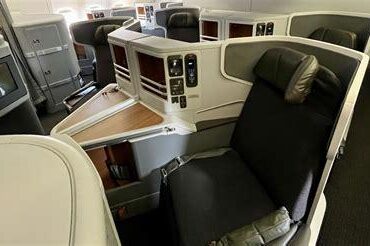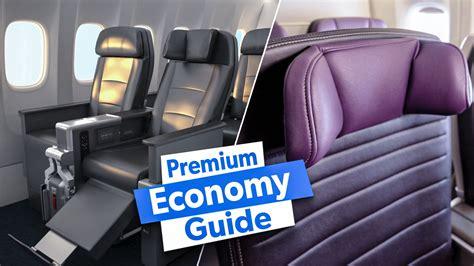
Air travel has undergone a dramatic transformation over the last decade. Travelers today face a wider spectrum of cabin options than ever before, with premium economy emerging as one of the most compelling upgrades in commercial aviation. Positioned neatly between standard economy and expensive business class cabins, premium economy offers a middle ground for passengers who want greater comfort without paying thousands of dollars for a lie-flat seat.
For passengers flying on major US carriers such as Delta Air Lines, American Airlines, and United Airlines, the option to upgrade from economy to premium economy has become increasingly common. Whether purchased during booking, offered through an upgrade promotion, or redeemed using frequent flyer miles, the premium economy experience now plays a crucial role in airline pricing strategies.
Understanding the true cost of upgrading to premium economy on US airlines requires looking beyond headline prices. Factors such as flight distance, timing of the upgrade, route demand, and availability can significantly influence the final price travelers pay. On some flights, a modest upgrade fee can dramatically improve the travel experience, while on others the price may climb high enough to make business class look tempting.
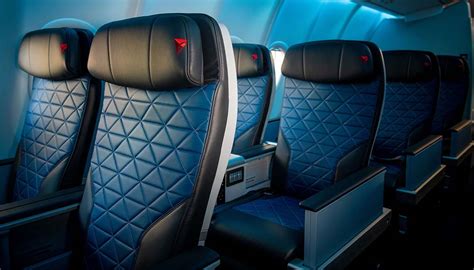
Typical Upgrade Costs To Premium Economy On US Airlines
Across the US airline industry, the cost of upgrading to premium economy follows relatively predictable patterns depending on flight length. While prices vary widely based on demand and seat availability, recent airfare data provides a useful baseline.
On domestic US routes, upgrading from economy to premium economy usually costs:
- $200 to $600 depending on route and demand
- Shorter flights tend to fall near the lower end
- Busy routes or peak travel dates push prices higher
International flights command significantly larger upgrade prices due to the longer flight time and greater value of added comfort. On long-haul international routes, upgrade prices typically range between:
- $500 and $1,500 or more
Flights between the United States and destinations in Europe, Asia, and South America often fall within this range, though heavily demanded routes can exceed it.
From the airline perspective, this pricing structure is intentional. Premium economy functions as a mid-tier revenue product, capturing passengers who want a better experience than economy but cannot justify the cost of business class.
For travelers, the result is a cabin class that often delivers significant comfort improvements at roughly one-third to half the price of business class.
Why Premium Economy Has Exploded In Popularity
Premium economy did not always exist as a mainstream cabin option. Historically, most aircraft featured only two major classes: economy and business or first class. However, as airlines searched for new ways to increase revenue without dramatically increasing operating costs, they discovered the potential of a middle tier.
Today, premium economy is one of the fastest-growing cabin classes in aviation.
Airlines have realized that many travelers are willing to pay a modest premium for comfort, particularly on flights lasting more than six hours. Even an additional four inches of seat pitch can significantly improve the long-haul experience.
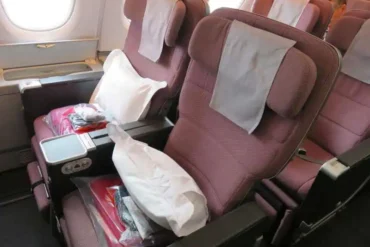
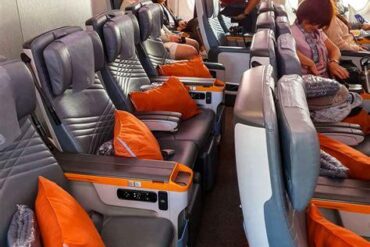
Passengers upgrading to premium economy typically receive several benefits that dramatically enhance the flight:
- Wider seats with greater recline
- Extra legroom and footrests
- Improved meal service
- Larger personal entertainment screens
- Priority boarding and baggage handling
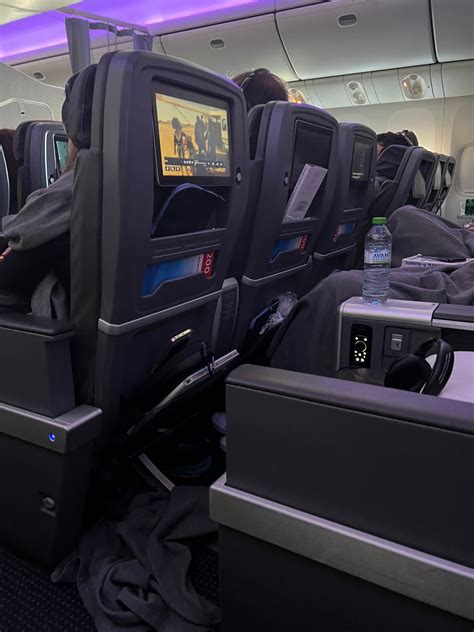
For leisure travelers, these upgrades transform exhausting overnight flights into far more manageable journeys. For corporate travelers whose companies restrict business-class travel, premium economy offers a comfortable compromise between budget and comfort.
The shift accelerated even further following the global pandemic, when passengers became more conscious of personal space and comfort while flying.
Airlines responded quickly. Many carriers retrofitted older aircraft with premium economy sections, recognizing that premium seats generate significantly higher revenue per square foot than standard economy rows.
Which US Airlines Offer True Premium Economy Cabins
Not every airline offering extra legroom seating provides a genuine premium economy experience. In the United States, only a few major carriers operate dedicated premium economy cabins with upgraded service and seating.
The three primary airlines offering true premium economy products are:
- American Airlines – Premium Economy
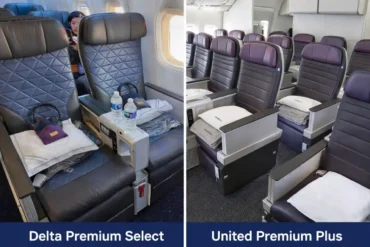
- Delta Air Lines – Premium Select
- United Airlines – Premium Plus
These cabins are typically installed on widebody aircraft used for long-haul international routes, including:
- Boeing 777
- Boeing 787 Dreamliner
- Airbus A330
- Airbus A350
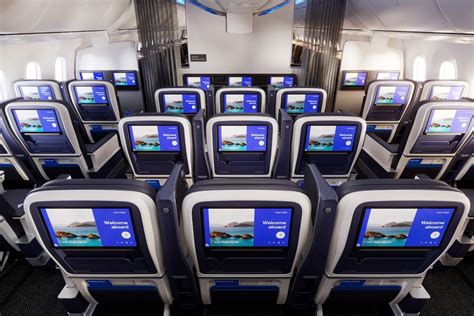
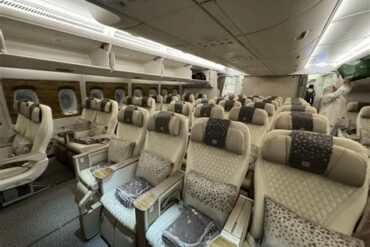
The seating layout usually sits between the main economy cabin and the business class section. Seats are noticeably larger and spaced further apart, creating a distinct cabin atmosphere compared to standard economy.
While other US airlines offer enhanced economy seating, they do not yet provide a full premium economy experience. Examples include:
- JetBlue Even More Space seats
- Alaska Airlines Premium Class
- Southwest Airlines Extra Legroom seating
JetBlue plans to introduce a true premium economy cabin on some aircraft starting in 2026, signaling that the category will continue expanding across the industry.
How Premium Economy Ticket Prices Compare To Economy
To understand upgrade pricing, it helps to examine the average ticket price differences between economy and premium economy.
Recent airfare data shows that the average premium economy ticket costs around $1,201, while a typical economy fare averages approximately $462 on comparable routes.
This means premium economy generally costs 40% to 100% more than economy class.
For example, consider a common transatlantic flight:
- Economy ticket: $850
- Premium economy ticket: $1,400–$1,700
The price difference may seem large at first glance, but compared with business class—which can easily exceed $3,000 to $5,000 on the same route—premium economy represents a far more accessible upgrade.
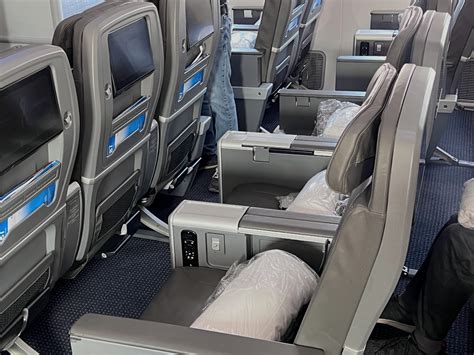
Seat dimensions also illustrate why the upgrade commands a higher price. Across most US airlines, premium economy seats typically offer:
- Seat pitch: around 38 inches (96.5 cm)
- Seat width: approximately 18.5–19 inches
- Recline: greater than standard economy seats
These differences may appear small on paper, but during a 10-hour overnight flight, they dramatically improve comfort and sleep quality.
Three Ways Travelers Upgrade To Premium Economy
Travelers can secure a premium economy seat in several different ways. Each method carries its own advantages depending on budget and flexibility.
1. Booking Premium Economy From The Start
The simplest approach is to book a premium economy ticket directly when purchasing the flight. This guarantees a seat in the cabin and allows passengers to select their preferred location early.
This option works best on busy international routes where premium cabins often sell out weeks in advance.
2. Upgrading With Cash After Booking
Many airlines actively promote upgrade offers after a traveler books an economy ticket.
Passengers frequently receive upgrade opportunities through:
- airline mobile apps
- email promotions
- check-in upgrade offers
These offers sometimes appear days or even hours before departure, especially when seats remain unsold.
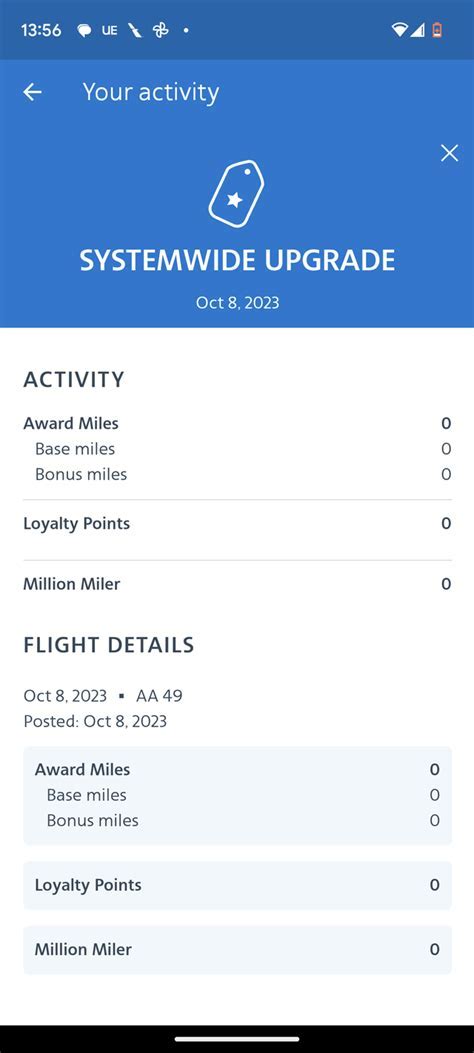
Airlines dynamically adjust upgrade prices based on demand. When premium seats remain empty, the system may lower the upgrade price dramatically to encourage additional purchases.
Savvy travelers often monitor their reservations carefully, waiting for last-minute upgrade discounts.
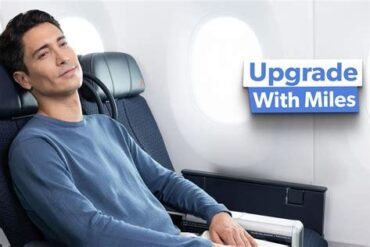
3. Using Points Or Frequent Flyer Miles
Frequent flyers can often upgrade using loyalty program miles or points.
Programs such as:
- Delta SkyMiles
- American Airlines AAdvantage
- United MileagePlus
allow upgrades from economy to premium economy under certain fare conditions.
Availability can be limited, however, and cheaper economy fare classes sometimes restrict upgrades entirely.
In some cases, redeeming miles for a full premium economy ticket instead of upgrading from economy provides better value.
Which US Airline Offers The Best Premium Economy Experience
Among US carriers, Delta Air Lines frequently earns the highest praise for its premium economy product, branded as Premium Select.
While the seat dimensions across major airlines remain relatively similar, Delta distinguishes itself through a more polished onboard experience.
Passengers often highlight several advantages:
- Higher-quality meal service
- Welcome drinks before departure
- Premium bedding on long-haul flights
- More attentive cabin service
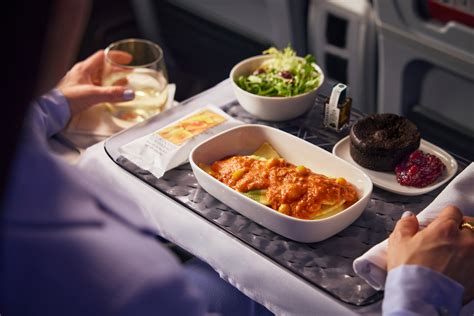
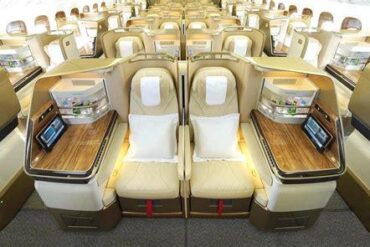
These details elevate the experience beyond simply having a larger seat. The cabin environment often feels closer to business class than economy.
That said, both American Airlines and United Airlines offer strong premium economy products with similar seating dimensions and reliable service standards.
Ultimately, the best option depends on route availability, schedule convenience, and personal loyalty programs.
When Upgrading To Premium Economy Is Worth The Cost
The value of upgrading depends heavily on flight duration.
On short domestic routes lasting two or three hours, the extra space may not justify several hundred dollars in additional cost.
However, on long-haul flights lasting six hours or more, the benefits become far more noticeable.
Long international journeys place significant strain on the body, particularly when sleeping upright in cramped seats. Premium economy provides:
- Greater personal space
- Improved sleep comfort
- Reduced travel fatigue
- A quieter cabin environment
For overnight flights across the Atlantic or Pacific, these advantages can transform the entire travel experience.
Passengers often arrive feeling far more rested and less jet-lagged than they would in standard economy.
The Strategic Sweet Spot Between Economy And Business Class
Premium economy sits at a carefully designed price point within airline pricing models.
Economy offers the lowest fares but limited comfort, while business class delivers luxury at a steep price. Premium economy fills the gap perfectly, providing meaningful upgrades without entering the premium business-class price range.
For airlines, this middle tier generates strong revenue because many passengers are willing to pay just a few hundred dollars more for noticeably better comfort.
For travelers, the category offers a practical way to improve long-distance travel without drastically increasing the trip budget.
Is Premium Economy Worth It For Most Travelers
In many cases, the answer is yes—particularly when upgrade prices remain reasonable.
If the upgrade costs $200–$400 on a long international flight, the additional comfort, space, and service can represent excellent value. Travelers gain a significantly improved seat, better meals, and priority boarding without the steep price of business class.
However, when upgrade prices approach $1,500 or more, the value calculation changes. At that point, travelers may begin comparing premium economy with discounted business class deals.
Ultimately, premium economy succeeds because it delivers a clear improvement over economy without entering luxury pricing territory. For millions of travelers each year, that balance between affordability and comfort makes it one of the most appealing upgrades in modern air travel.
FAQs
How much does it usually cost to upgrade to premium economy on US airlines?
Upgrading typically costs $200–$600 on domestic flights and $500–$1,500 or more on long-haul international routes, depending on demand, timing, and seat availability.
Which US airlines offer true premium economy cabins?
The three major US carriers with dedicated premium economy cabins are American Airlines, Delta Air Lines, and United Airlines.
Is premium economy significantly better than regular economy?
Yes. Premium economy provides wider seats, extra legroom, greater recline, upgraded meals, and priority services, creating a far more comfortable experience—especially on long-haul flights.