The premium economy segment has emerged as the fastest-growing cabin class in commercial aviation, representing a strategic middle ground for airlines seeking to capture passengers who desire enhanced comfort without the premium pricing of business class. Delta Premium Select and United Premium Plus stand as two of the most prominent offerings in the American aviation market, each designed to deliver superior passenger experiences through carefully crafted amenities, enhanced seating configurations, and elevated service standards.
The evolution of premium economy reflects changing passenger expectations and airline revenue optimization strategies. Both Delta Air Lines and United Airlines have invested heavily in these products, recognizing that modern travelers increasingly value comfort, convenience, and quality service during their journeys. The competition between these two carriers has resulted in continuous improvements and refinements to their respective offerings, creating compelling options for passengers seeking an upgrade from standard economy class.
Understanding the nuances between Delta Premium Select and United Premium Plus requires a comprehensive examination of multiple factors that contribute to the overall passenger experience. From the moment passengers step aboard until they reach their destination, every element of the journey contributes to their satisfaction and perceived value of the premium economy investment.
Seating Comfort and Ergonomic Design Excellence
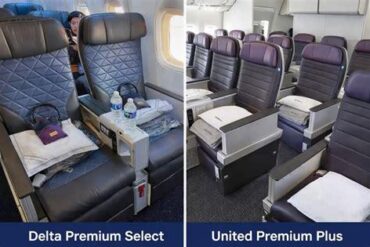
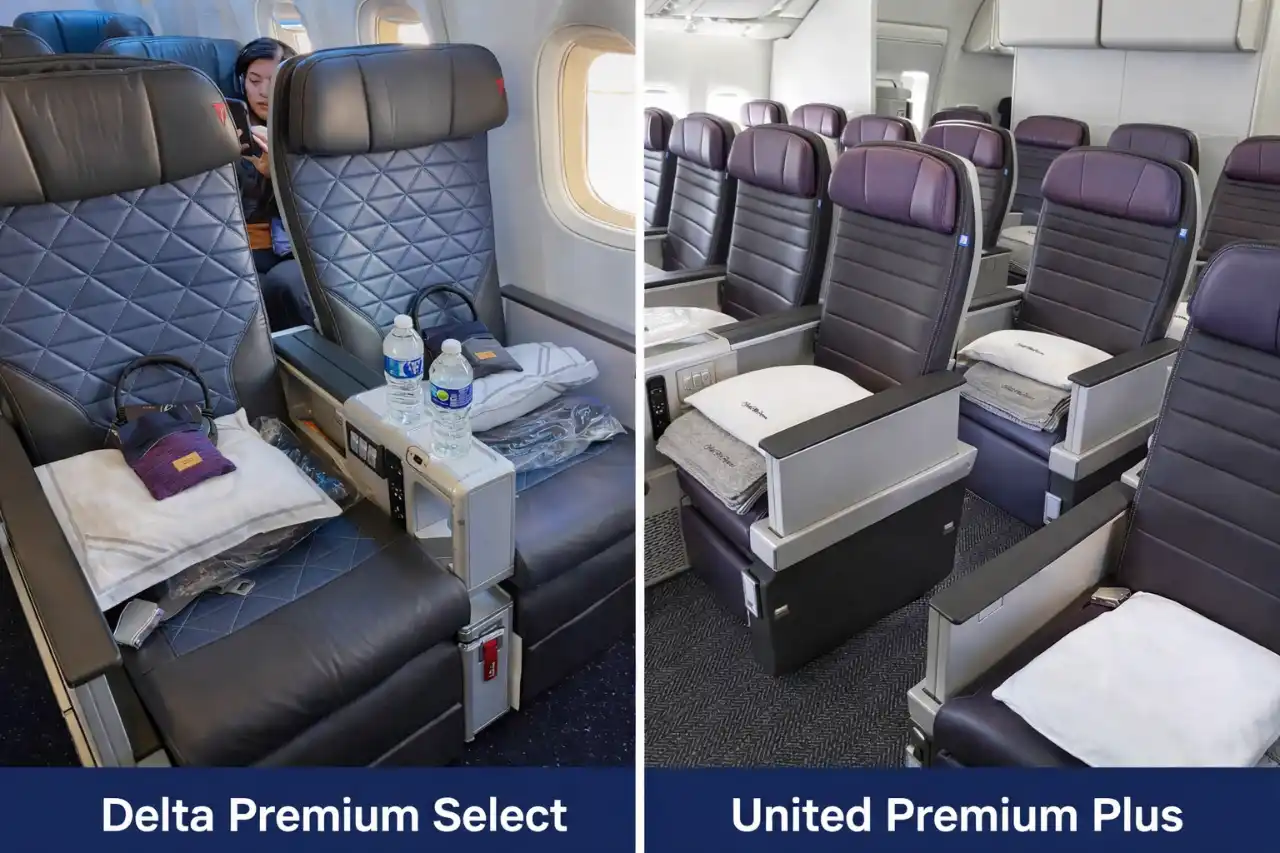
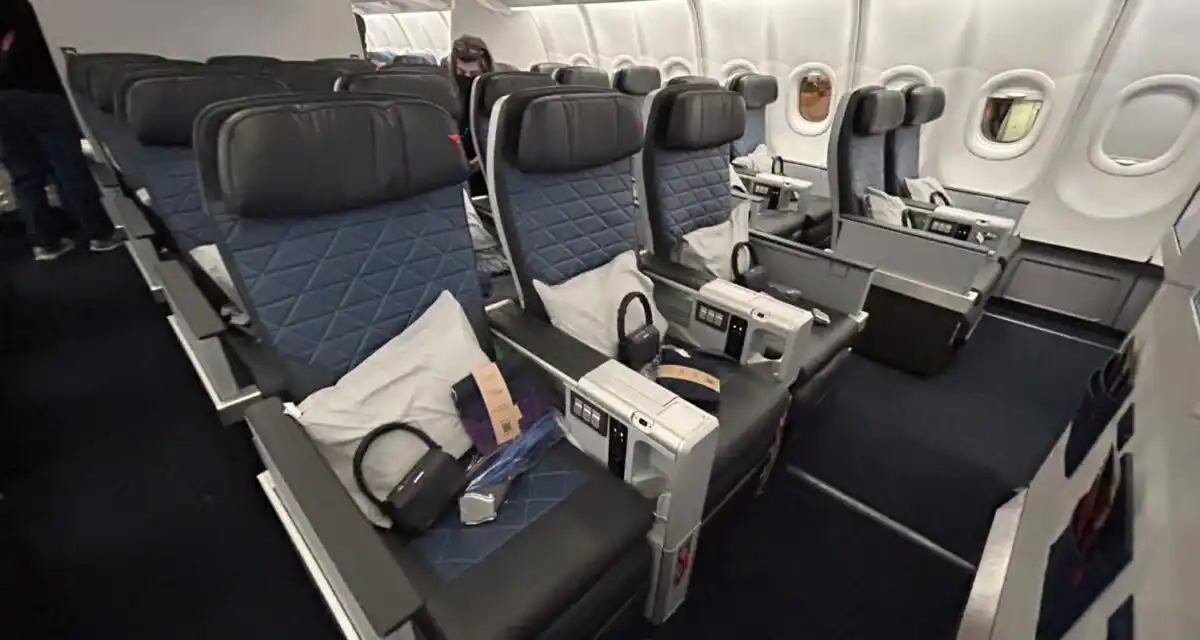
The foundation of any premium economy experience lies in the seating configuration and comfort features that distinguish it from standard economy offerings. Delta Premium Select provides passengers with approximately 38 inches of seat pitch, representing a substantial improvement over the typical 30-31 inches found in economy class. The seat width measures around 19.5 inches, offering additional lateral space that becomes particularly valuable during extended flights across continents or oceans.
![Delta Air Lines Boeing 767-300 Premium Select seats [SLC-HNL]](https://boltflight.com/wp-content/uploads/2026/01/Delta-Air-Lines-Boeing-767-300-Premium-Select-seats-SLC-HNL.webp)
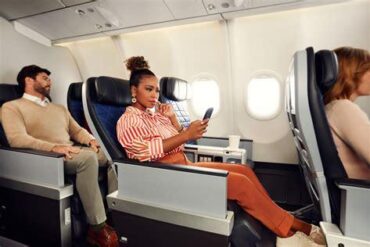
Delta’s approach to seat design emphasizes ergonomic principles that support passenger comfort throughout various phases of flight. The enhanced cushioning incorporates memory foam elements designed to reduce pressure points and minimize fatigue during long-haul journeys. The adjustable leg rests provide multiple positioning options, allowing passengers to find their optimal comfort configuration whether they prefer to work, relax, or sleep during their flight.
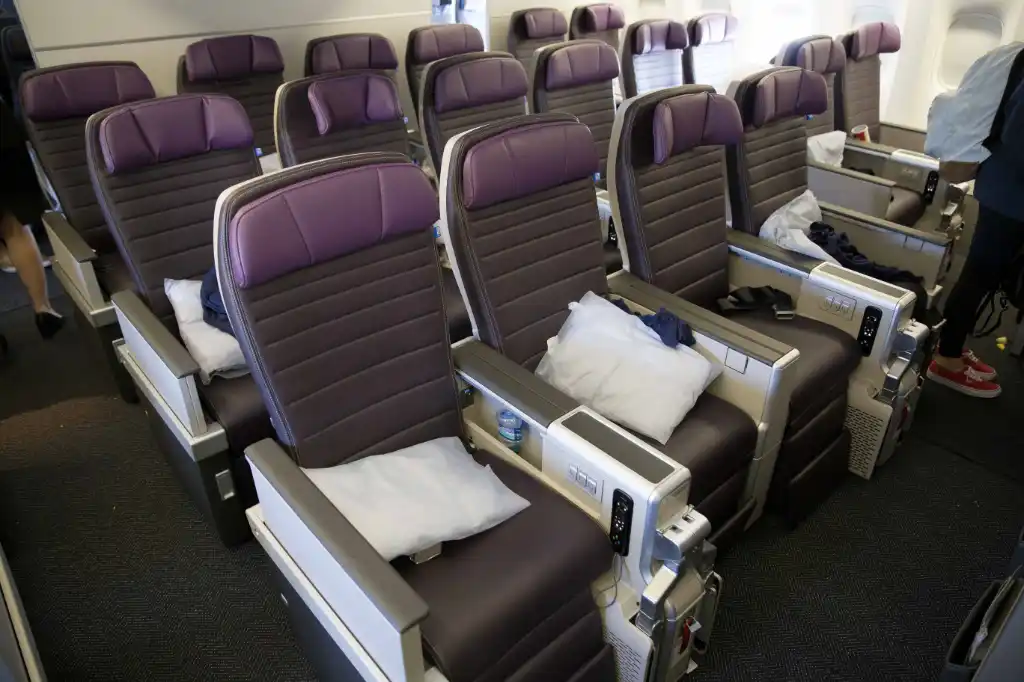
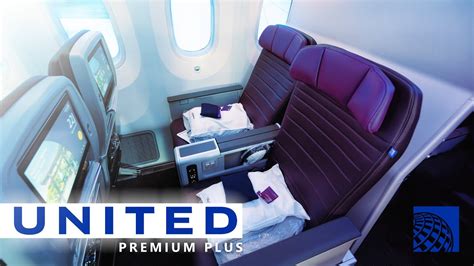
United Premium Plus offers comparable seat pitch at approximately 38 inches, maintaining competitive spacing that allows passengers to move comfortably and access personal belongings stored beneath the seat in front of them. However, the seat width typically measures around 19 inches on most aircraft configurations, representing a subtle but potentially significant difference for passengers, particularly those undertaking transcontinental or international flights where every inch of personal space contributes to overall comfort.
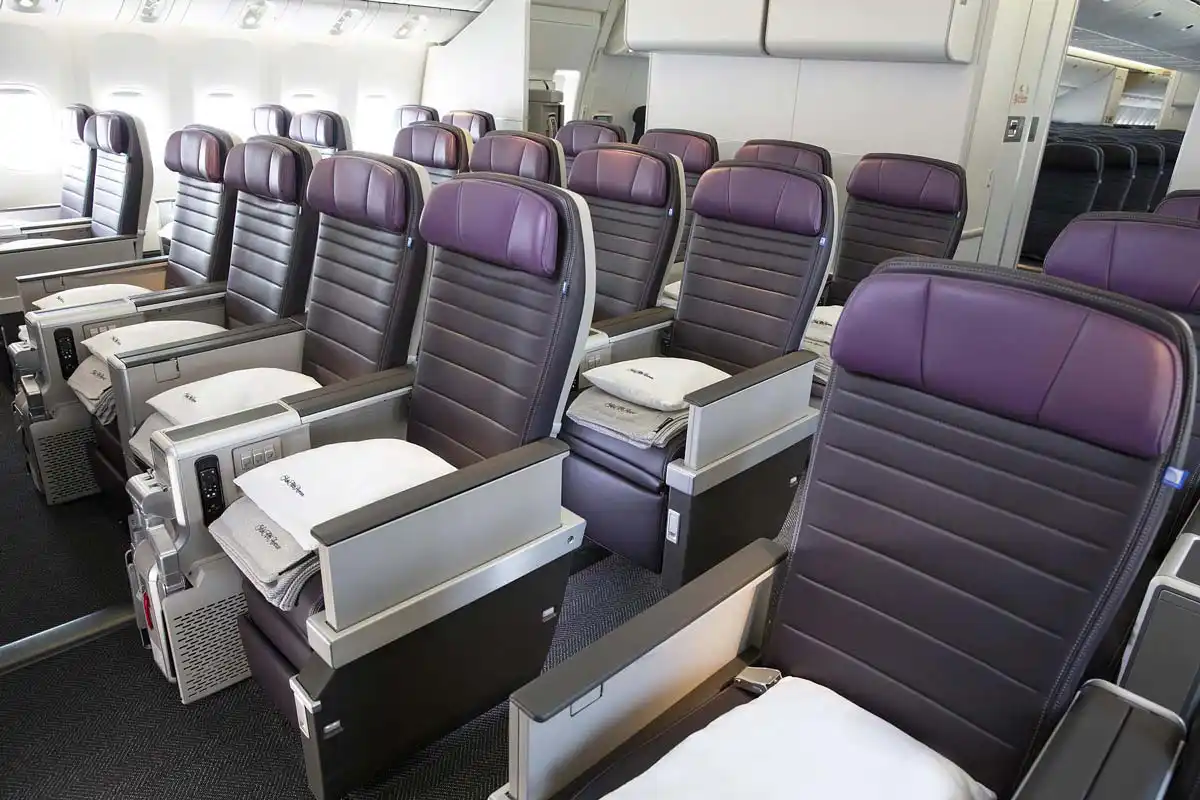
The recline mechanisms in both products surpass standard economy offerings, with Delta Premium Select featuring enhanced recline angles that facilitate better rest positioning without significantly impacting the passenger seated behind. The headrest design in Delta’s offering provides superior lateral support, incorporating adjustable wings that help maintain head and neck alignment during sleep, a feature that proves particularly valuable for window seat passengers who might otherwise lean against the cabin wall.
United’s seating includes adjustable footrests and enhanced recline capabilities, though some passengers report that the slightly narrower seat width becomes more noticeable during flights exceeding eight hours in duration. The overall build quality and materials used in both products reflect the airlines’ commitment to durability and passenger satisfaction, with premium fabrics and finishes that distinguish these seats from their economy counterparts.
Cabin Layout and Spatial Design Philosophy
The physical environment surrounding premium economy passengers significantly influences their perception of exclusivity and comfort throughout the flight experience. Delta Premium Select cabins are strategically positioned to create clear separation from both economy and business class sections, typically located at the front of the main economy cabin or in a dedicated section that enhances the sense of exclusivity.
Delta’s cabin designers have implemented either 2-3-2 or 2-4-2 configurations depending on the specific aircraft type, with the layout choice optimized for each plane’s fuselage dimensions and passenger capacity requirements. This thoughtful approach to configuration ensures that aisle access remains convenient while maintaining an open, spacious atmosphere that reduces the feeling of confinement common in denser seating arrangements.
The aesthetic elements within Delta Premium Select cabins reflect contemporary design principles, incorporating subtle lighting systems that can be adjusted throughout different phases of flight to support passenger circadian rhythms. Storage compartments are strategically positioned to provide easy access to personal items without requiring passengers to disturb their seatmates or venture into overhead bin areas frequently.
United Premium Plus cabins similarly prioritize separation from economy class, though the 2-4-2 layout is more prevalent on certain aircraft types, particularly the Boeing 777-200ER and Boeing 777-300ER configurations. While this layout maximizes passenger capacity within the premium economy section, it can create a more confined feeling for passengers seated in the middle positions of the four-seat center section.
The positioning of lavatories and galley areas relative to premium economy seating varies between the two carriers, with Delta Air Lines generally achieving better isolation of its premium passengers from high-traffic areas of the aircraft. This thoughtful placement reduces disruptions from passengers moving through the cabin and minimizes noise from galley operations during meal service periods.
United’s cabin finishes maintain contemporary standards with modern materials and integrated lighting systems, though some passengers note that the overall spatial experience feels slightly more constrained compared to Delta’s offering, particularly during longer flights where cabin movement becomes necessary for comfort and circulation.
Culinary Excellence and Beverage Service Standards
The dining experience in premium economy represents a significant departure from standard economy meal service, with both airlines investing in elevated culinary programs designed to enhance passenger satisfaction and justify the premium pricing. Delta Premium Select passengers receive meals served on upgraded dishware that reflects the enhanced nature of their travel experience, with presentation standards that approach business class quality.
Delta’s culinary team emphasizes high-quality ingredients and regional culinary influences, creating menus that reflect seasonal availability and diverse flavor profiles appealing to international travelers. The airline’s approach to menu development includes regular rotation of offerings, ensuring that frequent travelers encounter variety and freshness in their dining options throughout the year.
The beverage program in Delta Premium Select extends well beyond standard economy offerings, featuring carefully selected wine and spirits that complement the enhanced meal service. Pre-departure beverages are served to establish the premium experience from the moment passengers settle into their seats, while the multi-course meal structure provides a more leisurely and refined dining experience compared to the efficiency-focused service in economy class.
United Premium Plus also offers multi-course meals and pre-departure beverage service, maintaining competitive standards in portion sizes and variety of entrée options. However, the emphasis on culinary refinement and presentation generally receives lower ratings compared to Delta’s offering, with some passengers noting that while the food quality exceeds economy standards, it lacks the sophisticated touches that distinguish truly premium dining experiences.
The frequency of menu changes represents another differentiating factor, with Delta Air Lines implementing more regular seasonal updates that reflect current culinary trends and ingredient availability. United Airlines tends to maintain longer menu cycles, which can result in repetitive experiences for frequent travelers but ensures consistency in quality and preparation standards.
Mid-flight snack service and refreshment options in both cabins surpass economy class offerings, though Delta often integrates more premium snack selections and specialty beverages that align with current food and beverage trends. The overall dining experience in Delta Premium Select tends to receive higher passenger satisfaction ratings, particularly regarding presentation, flavor complexity, and service timing.
Entertainment Systems and Digital Connectivity
Modern premium economy passengers expect sophisticated entertainment options that support productivity, relaxation, and connectivity throughout their journey. Delta Premium Select provides 13.3-inch personal seatback screens, offering passengers a more immersive viewing experience compared to the smaller screens typically found in economy class configurations.
The content library available through Delta’s entertainment system includes current movies, television series, music collections, and interactive games that appeal to diverse passenger preferences and age groups. The airline regularly updates its content offerings to include recent releases and popular programming, ensuring that even frequent travelers encounter fresh entertainment options.
Noise-canceling headphones are provided to all Premium Select passengers, enhancing audio clarity and reducing cabin noise that can interfere with the entertainment experience. The combination of larger screens and superior audio equipment creates a more engaging and enjoyable entertainment environment, particularly valuable during long-haul flights where entertainment becomes crucial for passenger comfort.
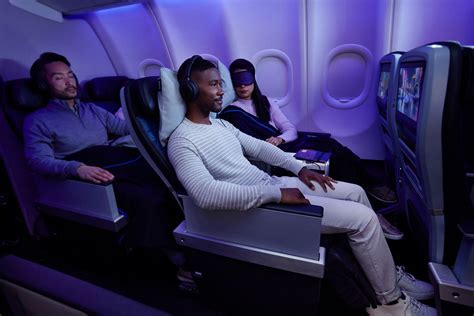
United Premium Plus offers comparable entertainment systems with seatback screens averaging 11-13 inches depending on the specific aircraft configuration. The content library maintains competitive breadth and quality, with regular updates that include current movies, television programming, and music selections that appeal to diverse passenger demographics.
Both airlines provide onboard Wi-Fi connectivity that allows passengers to access personal devices and streaming services, though connection quality and speed can vary depending on flight routing and passenger load. The integration between seatback entertainment systems and personal device connectivity ensures that passengers have multiple options for accessing content throughout their flight.
The subtle advantage in screen size offered by Delta Premium Select may contribute to enhanced passenger satisfaction, particularly for passengers who rely heavily on entertainment during extended flights. However, both systems meet or exceed the expectations typically associated with premium economy travel experiences.
Service Excellence and Crew Training Standards
The quality of onboard service often represents the most memorable aspect of the premium economy experience, distinguishing airlines through the professionalism, attentiveness, and personalized care provided by flight attendants. Delta Air Lines has invested extensively in crew training programs specifically designed for Premium Select service, emphasizing proactive assistance and personalized attention that creates memorable passenger experiences.
Flight attendants serving Delta Premium Select passengers receive specialized training in recognizing and responding to passenger preferences, often remembering individual needs and providing comfort items such as additional blankets, pillows, or beverages without requiring passenger requests. This proactive service approach creates a more luxurious atmosphere that justifies the premium pricing and encourages passenger loyalty.
The consistency of service standards across Delta’s Premium Select offering reflects comprehensive training programs and clear service protocols that ensure passengers receive similar experiences regardless of specific crew members or flight routes. This reliability becomes particularly important for business travelers who depend on consistent service quality for productivity and comfort during their journeys.
United Premium Plus crews also provide professional and attentive service that enhances the overall passenger experience, with training programs designed to support the elevated expectations associated with premium economy travel. Flight attendants are knowledgeable about the enhanced amenities and services available to Premium Plus passengers and work to ensure smooth, pleasant journeys.
While both airlines maintain high service standards, passenger feedback consistently indicates that Delta Air Lines provides slightly more refined service touches that create memorable experiences and justify the premium economy investment. These subtle differences in service philosophy and execution can significantly impact passenger satisfaction and future booking decisions.
Fleet Coverage and Aircraft Availability
The availability of premium economy cabins across airline fleets directly impacts passenger access to these enhanced travel experiences. Understanding which aircraft feature premium economy configurations helps travelers make informed booking decisions and set appropriate expectations for their journeys.
Delta Air Lines operates a fleet of 988 aircraft, with premium economy configurations available on select aircraft types including certain Airbus A321neo variants and some Boeing 767-300ER aircraft. The airline continues expanding premium economy availability as it takes delivery of new aircraft and completes retrofit programs on existing planes.
United Airlines operates a larger fleet exceeding 1,000 aircraft, with United Premium Plus available primarily on Boeing 777-200ER, select Boeing 787 variants, and other long-haul aircraft configurations. The airline’s ongoing fleet modernization includes plans for premium economy installation on additional aircraft types, including future Airbus A321XLR and Airbus A350-900 deliveries.
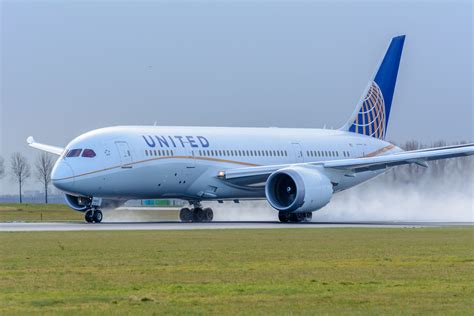
The expansion of premium economy availability across both fleets reflects the commercial success of these products and growing passenger demand for enhanced travel experiences at accessible price points. As airlines continue investing in premium economy configurations, passengers will have increased opportunities to experience these elevated service levels across more routes and aircraft types.
Both Delta Premium Select and United Premium Plus represent significant improvements over standard economy travel, offering enhanced comfort, service, and amenities that justify their premium positioning. While subtle differences exist in seating dimensions, cabin design, dining quality, and service standards, both products successfully bridge the gap between economy and business class travel.
Delta Premium Select appears to offer marginal advantages in seat width, cabin atmosphere, dining refinement, and service personalization that may appeal to passengers seeking the most refined premium economy experience available from major US carriers. However, United Premium Plus remains highly competitive, offering substantial improvements over economy class and representing excellent value for passengers seeking enhanced comfort without business class pricing.
The choice between these premium economy products often depends on route availability, schedule preferences, loyalty program considerations, and individual priorities regarding specific amenities and service elements. Both airlines continue refining and improving their premium economy offerings, ensuring that passengers benefit from ongoing enhancements and innovations in this rapidly evolving market segment.