In the increasingly competitive world of long-haul travel, premium economy has evolved from a modest upgrade into a strategic battleground where airlines compete for high-yield passengers unwilling to pay business class fares. Two of the most prominent contenders in this space—Delta Air Lines and United Airlines—have invested heavily in their respective offerings: Delta Premium Select and United Premium Plus.
At first glance, the similarities are striking. The seats look alike. The naming feels almost interchangeable. Even the onboard experience appears aligned. But beneath that surface lies a set of meaningful differences that shape comfort, value, and long-term evolution. For discerning travelers, these nuances matter.
Origins and Strategic Intent: Who Built It Better First?
Delta entered the premium economy arena earlier, launching Premium Select in 2017 aboard its flagship Airbus A350-900. This early move allowed Delta to refine its product through real-world feedback, shaping a more mature and cohesive offering over time. It wasn’t just about adding seats—it was about designing a consistent premium identity between economy and business class.
United, on the other hand, took a more cautious approach. Premium Plus arrived later, making it the youngest among the major U.S. carriers. While this delayed entry meant less initial experience, it also allowed United to observe competitors and identify gaps in demand, particularly the underestimation of how popular premium economy would become.
This contrast in timing is critical. Delta’s earlier rollout translates into a more refined service philosophy, while United’s late entry has triggered a rapid evolution strategy, aggressively expanding and upgrading the product.
Cabin Availability and Aircraft Strategy
One of the most overlooked yet impactful differences lies in fleet integration. Delta’s Premium Select spans multiple aircraft types, including the Airbus A350, A330, Boeing 767, and even select narrowbody A321neos for transcontinental routes. This gives Delta a broader footprint and more consistent availability across its network.
United takes a more Boeing-centric approach. Premium Plus is found exclusively on aircraft such as the Boeing 777, Boeing 787, and Boeing 767 variants. While this ensures consistency in design, it limits flexibility. Travelers may find fewer route options compared to Delta’s expansive deployment.
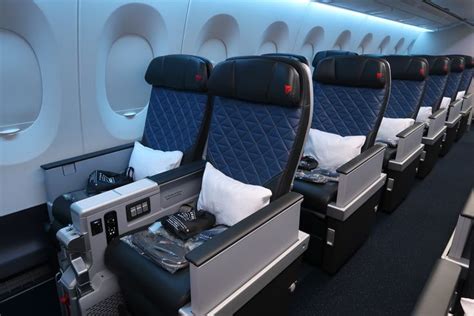
The difference becomes even more apparent in cabin size. Delta’s A350 configuration offers one of the largest premium economy cabins among U.S. airlines, improving seat availability and upgrade chances. United’s cabins, particularly on older configurations, can feel more constrained—sometimes accounting for as little as 7% of total seats onboard.
The Seat: Same DNA, Different Execution
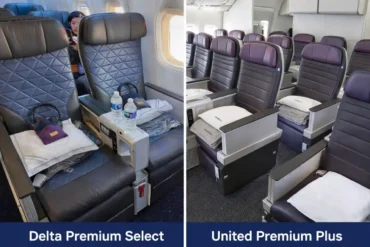
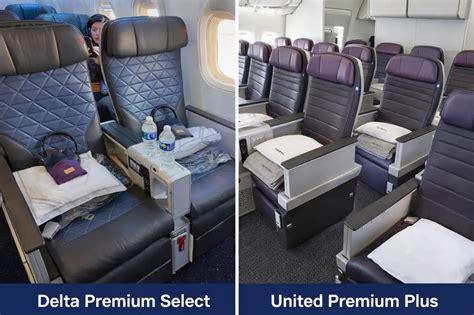
Here’s where things get fascinating. Both airlines use the same foundational seat platform from Collins Aerospace—the widely adopted MiQ premium economy seat. That means, structurally, passengers can expect:
- Up to 10 inches of recline
- Four-way adjustable headrests
- Full-size bi-fold tray tables
- Enhanced personal storage solutions
So where’s the difference?
Delta adds a subtle but meaningful upgrade: a more refined leg rest system and slightly larger 13.3-inch screen. United’s 13-inch screen is nearly identical in practice, but Delta’s implementation feels more polished, especially when paired with its industry-leading in-flight entertainment interface.
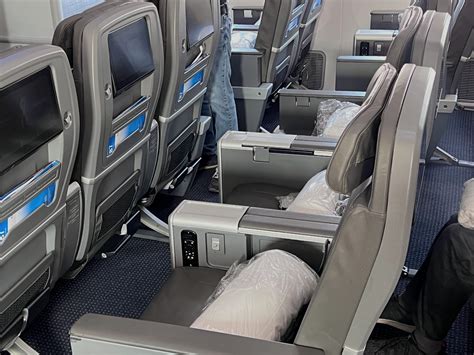
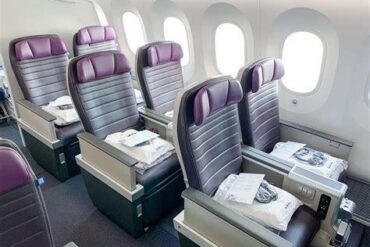
United counters with comfort consistency. Its leather leg rest and footrest design feel sturdy and premium, offering a noticeable step up from competitors like American Airlines. However, the real differentiator isn’t the seat—it’s what each airline plans to do with it next.
Next-Generation Upgrades: United’s Aggressive Leap Forward
United is not standing still. In fact, it’s preparing to leapfrog competitors with its next-generation Premium Plus upgrades. Upcoming retrofits on Boeing 787-9 aircraft will introduce:
- 4K OLED seatback screens
- Privacy wings for enhanced personal space
- Improved seat finishes and materials
These changes don’t alter the underlying seat structure, but they significantly elevate the perceived luxury and technological sophistication of the cabin.
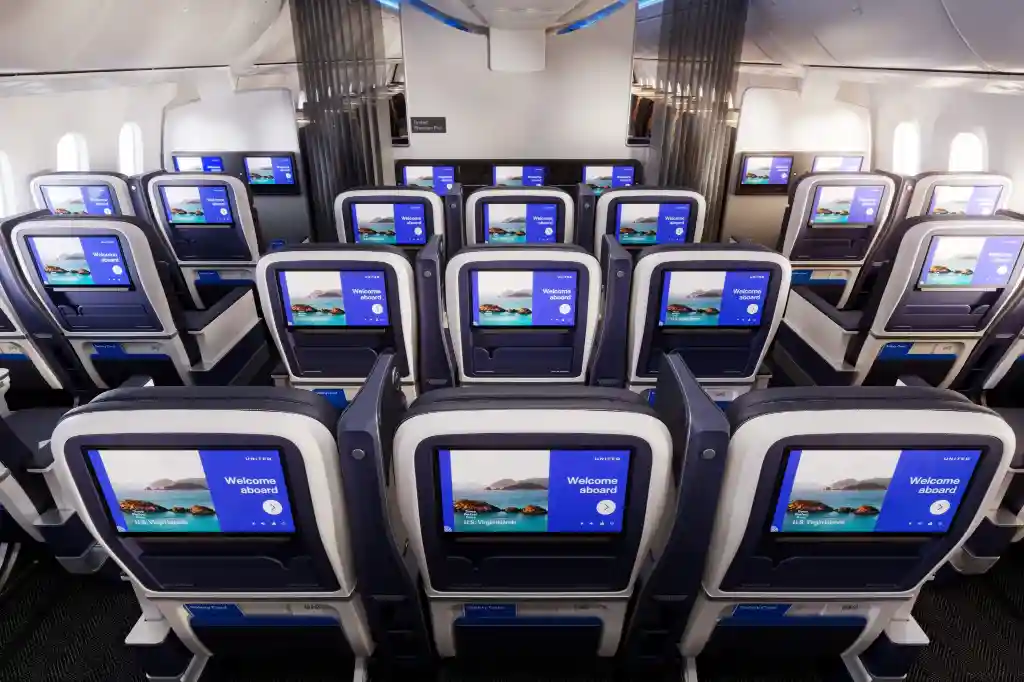
This forward-looking investment signals a shift: United is aiming to transform Premium Plus from a functional upgrade into a near-business-class experience at a lower price point.
Delta, by contrast, has focused on incremental refinement rather than radical redesign. Its upgrades—such as high-speed Wi-Fi powered by T-Mobile—enhance usability rather than fundamentally altering the seat experience.
In-Flight Service: Where Delta Quietly Dominates
If there’s one area where Delta consistently edges ahead, it’s service delivery. Across the industry, Delta has built a reputation for offering the most polished onboard service among U.S. legacy carriers.
Premium Select passengers benefit from:
- Elevated meal service with upgraded presentation
- More attentive cabin crew engagement
- Thoughtfully curated amenity kits
United’s Premium Plus service is solid, but it can feel more variable depending on route and crew. The airline is improving, but Delta’s consistency and attention to detail give it a noticeable advantage for travelers who value service as much as hardware.
On-Ground Experience: Nearly Identical, Subtly Different
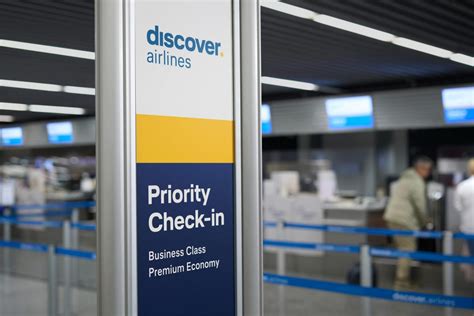
At the airport, both airlines deliver a streamlined experience designed to reduce friction. Delta offers Sky Priority, while United provides Premier Access. Functionally, these services are almost identical:
- Priority check-in counters
- Expedited security lanes
- Early boarding privileges
- Faster baggage delivery
The difference lies in branding clarity. Delta’s Sky Priority is more clearly integrated into the passenger journey, ensuring travelers actually use the benefits. United’s Premier Access, while equally effective, can sometimes feel less intuitive.
Network Expansion and Route Strategy
Delta has expanded Premium Select beyond international routes, introducing it on high-demand domestic sectors like New York to Los Angeles. This move reflects a broader strategy: bringing premium economy into markets traditionally dominated by business class.
United is taking a different path, focusing on long-haul international optimization. Its upgraded 787-9 configurations—featuring significantly larger Premium Plus cabins—highlight a commitment to scaling premium economy as a core revenue driver.
This divergence matters. Delta is making Premium Select more accessible, while United is making Premium Plus more aspirational.
The Wi-Fi and Connectivity Edge
Connectivity is no longer optional—it’s expected. Delta has taken a decisive lead by rolling out fast, free Wi-Fi on select routes, a feature that transforms productivity and entertainment during flight.
United offers solid connectivity, but it hasn’t yet matched Delta’s free access model at scale. For business travelers or digital nomads, this difference can be decisive.
Which Premium Economy Product Wins?
The answer depends on what matters most.
Delta Premium Select excels in consistency, service quality, and network availability. It’s the safer choice for travelers who want a reliable, polished experience across routes and aircraft types.
United Premium Plus, however, is evolving rapidly. With its upcoming upgrades, it has the potential to redefine expectations in the premium economy segment, offering features that blur the line with business class.
Final Verdict: Stability vs Innovation
Delta represents refinement and reliability. United represents ambition and transformation.
If flying today, Delta Premium Select delivers the more complete and dependable experience. But looking ahead, United Premium Plus may soon become the most technologically advanced premium economy product in the sky.
For travelers, that’s the real takeaway: this isn’t just a comparison—it’s a glimpse into the future of premium air travel, where the gap between economy and business class continues to narrow, and where every inch of comfort is fiercely contested.