Modern fighter jet canopies are far more than transparent covers over the cockpit. On aircraft such as the F-35 Lightning II, the canopy is a carefully engineered part of the aircraft’s protection, stealth, environmental control, and pilot-survival systems. It must remain optically clear while enduring extreme aerodynamic forces, temperature changes, sunlight, static electricity, and the demanding conditions of high-speed flight.
F-35 Canopy Design and Advanced Materials
The canopy forms the primary barrier between the pilot and the rapidly moving atmosphere outside the cockpit. At high speeds, even a seemingly simple transparent structure becomes a critical engineering challenge. Modern canopies generally use polycarbonate- or acrylic-based composite materials, selected for their strength, optical qualities, impact resistance, and ability to accept specialized coatings.
Unlike ordinary aircraft windows, fighter jet canopies can incorporate several functional layers. These layers may be applied through processes such as lamination, physical vapor deposition, and magnetron sputtering. Such techniques allow extremely thin coatings to be deposited onto the canopy while maintaining strong adhesion and precise optical properties.
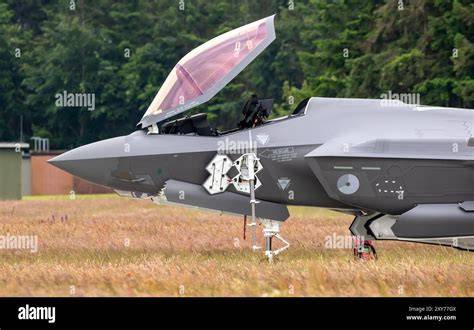
The result is a structure that can perform several jobs simultaneously. The canopy must provide the pilot with a wide field of view while protecting sensitive cockpit equipment and helping the aircraft operate effectively across widely different environments. Even the canopy’s tint can be carefully formulated. Different shades can reduce glare, manage solar heat, and protect cockpit systems from intense sunlight.
Fighter Jet Canopies Fight Ice, Fog and Static Electricity
Environmental protection is another important function hidden within modern canopy technology. At altitude, temperatures can fall dramatically, creating the possibility of frost or ice forming across the transparent surface. A partially obscured canopy could seriously restrict the pilot’s visibility during critical phases of flight.
To counter this problem, some canopies incorporate concealed electrical heating elements. Electrical current can rapidly warm the transparent structure, helping disperse ice and fog before they interfere with visibility. This is especially valuable during operations in cold environments or when aircraft rapidly transition between different atmospheric conditions.
The canopy can also help manage static electricity generated by friction between the aircraft and surrounding air. Specialized external coatings can assist with dissipating electrical charge, reducing the possibility that accumulated static electricity will interfere with aircraft systems or create other operational complications.
How Canopy Coatings Support Fighter Jet Stealth
Perhaps the most intriguing aspect of modern fighter jet canopies is their relationship with stealth technology. The cockpit contains numerous electronic systems, displays, sensors, and avionics that must be protected from external electromagnetic interference.
Specialized thin-film coatings can help shield cockpit equipment from electromagnetic energy. At the same time, carefully engineered conductive layers can influence how electromagnetic waves interact with the canopy itself. This matters because a conventional transparent canopy could potentially create an undesirable radar reflection.
For a stealth aircraft such as the F-35, controlling these electromagnetic characteristics is particularly important. The canopy therefore becomes part of the aircraft’s broader effort to manage radar visibility rather than simply serving as a transparent window.
The Canopy Is a Critical Pilot-Survival System
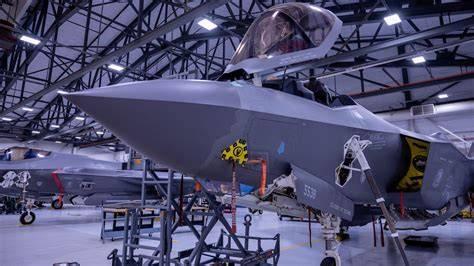
The canopy also incorporates dedicated safety mechanisms. The Canopy Severance System, including its distinctive zig-zag lines, is designed to support emergency ejection procedures by allowing the canopy to be separated when necessary. A secure front-closing latch provides another essential part of the cockpit’s structural integrity.
Taken together, these features reveal why modern fighter jet canopies are so specialized. They combine strength, optical clarity, heating, electrical management, environmental protection, electromagnetic shielding, and emergency safety within a remarkably compact structure. On aircraft such as the F-35, the canopy is not merely something the pilot looks through—it is an integral part of the aircraft’s performance and survivability.