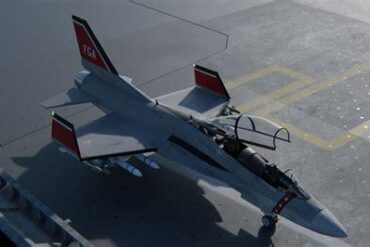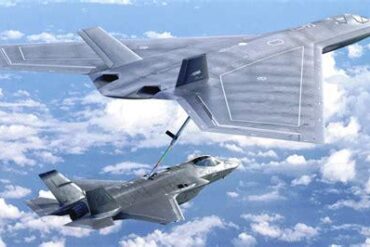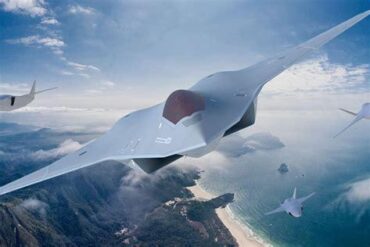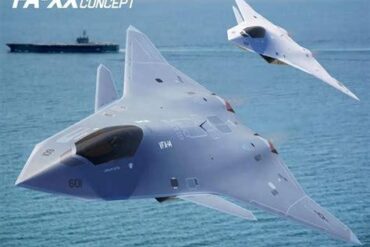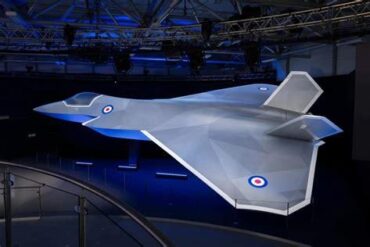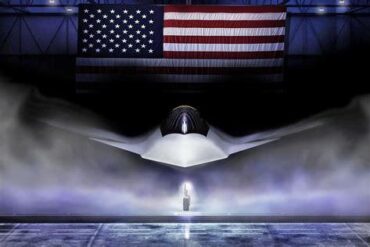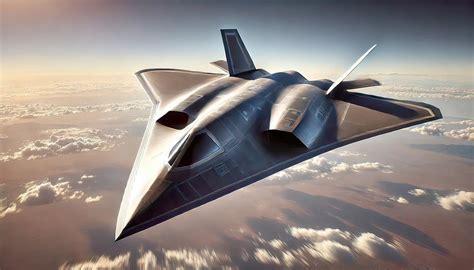
The dawn of sixth-generation fighter jets marks a seismic shift in modern air combat, blending advanced stealth, autonomous decision-making, and AI-driven command systems to create aerial war machines unlike anything the world has seen. These jets are more than just weapons platforms — they are flying command centers, integrating Google-like brains capable of processing and acting on battlefield data in real-time. As global conflicts intensify, from the Iran-Israel war to the India-Pakistan tensions and the ongoing Russia-Ukraine confrontation, air superiority remains the decisive factor in determining military dominance.
What Makes Sixth-Generation Fighter Jets Revolutionary?
Sixth-generation fighters are designed to leap beyond the limitations of fifth-generation aircraft, pushing the boundaries of stealth, speed, and situational awareness. These aircraft incorporate a tailless, radar-absorbing design to ensure low observability across radar and infrared spectrums, making them nearly invisible to enemy detection systems. But stealth is only part of their advantage — artificial intelligence is at the core of their operation.
The term ‘Google-like brain’ refers to the integrated AI systems onboard that allow these jets to process vast amounts of data from satellites, ground stations, drones, and other aircraft. This creates a single, unified battlespace picture, enabling pilots — or in some cases, the jets themselves — to make critical combat decisions autonomously. This feature redefines the role of a fighter pilot from mere operator to battlefield commander in the sky.
The Role of AI: From Pilot Assistant to Combat Brain
Artificial intelligence in sixth-generation fighters performs a multitude of complex functions:
- Predictive analytics: Identifying enemy movements and likely strategies before they unfold.
- Autonomous target acquisition: Detecting, prioritizing, and even engaging multiple targets simultaneously.
- Real-time threat analysis: Integrating data from multiple sources to give pilots unmatched situational awareness.
- Adaptive mission control: Adjusting tactics mid-flight based on evolving battlefield conditions.
With these capabilities, the fighter jet becomes an extension of the pilot’s brain, allowing for decisions that once took minutes to be executed in mere seconds.
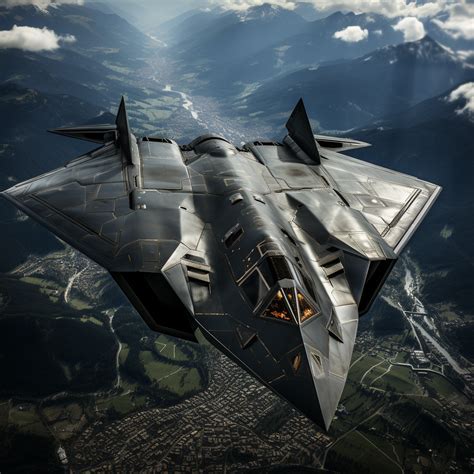
India’s Push for Next-Generation Air Power
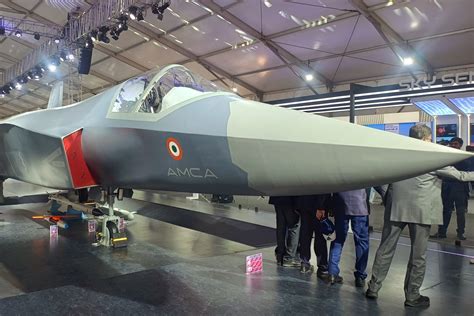
India is not standing still in this technological race. Recently, Defence Minister Rajnath Singh approved the Execution Model for the Advanced Medium Combat Aircraft (AMCA) programme, marking a monumental step toward achieving Atmanirbharta (self-reliance) in defense technology. The AMCA program, India’s flagship fifth-generation multirole stealth fighter project, positions the nation to join the elite club of countries that design and manufacture advanced combat aircraft domestically.
The AMCA will feature low radar cross-section design, supercruise capability, and next-gen avionics. Developed as the successor to the Sukhoi Su-30MKI, the AMCA promises to match or exceed current fifth-generation fighters. Mass production is projected to begin by 2035, signaling India’s long-term commitment to indigenous defense innovation.
The Global Race for Sixth-Generation Dominance
The race to dominate the skies of the future involves multiple players:
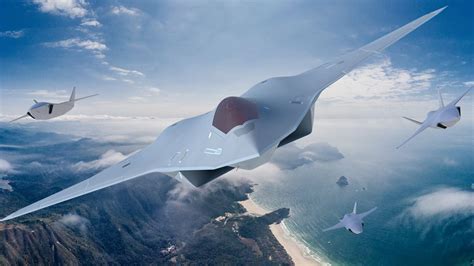
- United States: The Next Generation Air Dominance (NGAD) program is developing aircraft capable of unmatched air superiority. These jets will function in tandem with unmanned “loyal wingman” drones for coordinated missions.
- Europe: The Future Combat Air System (FCAS) project, led by France, Germany, and Spain, promises highly networked platforms designed for multi-domain warfare.
- China: With its focus on stealth advancements and swarm drone integration, China’s sixth-gen projects are aimed at countering U.S. and allied air power.
- Russia: Building on the Su-57 platform, Russia is rumored to be working on a sixth-generation aircraft capable of hypersonic speeds and advanced electronic warfare.
This global arms race highlights the geopolitical importance of sixth-generation fighters — not just as tools of defense, but as symbols of technological supremacy.
Why Are These Jets Called ‘Flying Devils’?
The nickname ‘flying devils’ stems from their lethality and autonomy. Unlike their predecessors, these jets are designed to outthink as well as outmaneuver adversaries. Their combination of AI-assisted decision-making, stealth, and multi-role adaptability allows them to conduct operations deep within enemy territory with minimal risk of detection.
Moreover, AI-driven control systems mean these jets can continue to operate effectively even in scenarios where pilots are overwhelmed or communications are jammed. They can function independently, making them more resilient to electronic warfare.
The Future of Aerial Combat
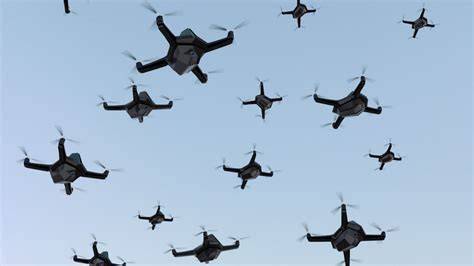
As sixth-generation fighters become a reality, the nature of air warfare will change fundamentally. These jets will not merely fight dogfights — they will control the battlespace, acting as hubs for drones, missile systems, and cyber assets. In a high-stakes conflict, these capabilities will provide the edge needed to establish uncontested aerial dominance.
But this raises important questions: How much control should AI have in combat? As autonomy increases, ethical considerations about AI-led engagement decisions will become central to defense debates.
Conclusion
The fusion of AI and stealth technology in sixth-generation fighter jets represents the next evolutionary leap in warfare. These aircraft are not just more advanced machines — they are intelligent entities, reshaping how wars will be fought. As nations like the U.S., China, and India push the envelope in developing these platforms, the skies of the future will belong to those who can harness the power of AI-driven air dominance.