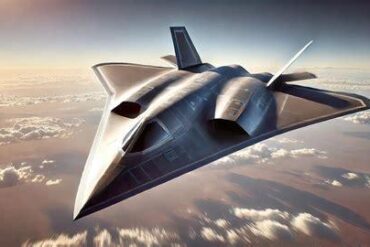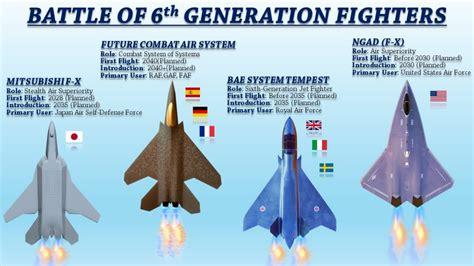
South Korea is poised to enter the high-stakes global competition for sixth-generation fighter jets, signaling a significant leap in its aerospace and defense ambitions. The announcement comes as Korea Aerospace Industries (KAI) unveiled its roadmap at the Paris Air Show, revealing the nation’s strategy to evolve its current fighter platforms into next-generation war machines capable of rivaling the most advanced aircraft being developed by global superpowers.
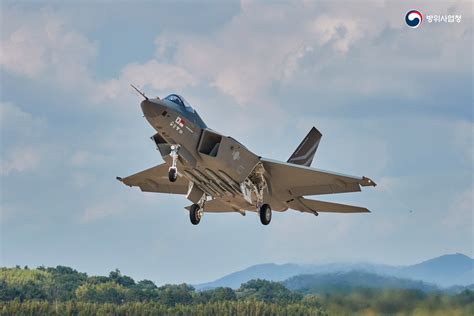
The initiative marks South Korea’s determination to assert itself as a serious contender in the elite club of nations pursuing sixth-generation air superiority. According to Shin Dong-hak, Vice President of International Business Development at KAI, the country’s latest advancements — including its KF-21 Boramae 4.5-generation fighter, FA-50 light combat aircraft, and sophisticated unmanned aerial vehicles (UAVs) — are more than interim solutions. Instead, they serve as “key elements” in a deliberate evolution toward sixth-generation capabilities.
Global Arms Race for Sixth-Generation Fighters Intensifies
South Korea’s ambition places it among a growing list of nations accelerating efforts to dominate the skies with cutting-edge, sixth-generation aircraft. The competition is fierce, with the United States, China, and key European allies heavily invested in pushing aerospace innovation beyond the capabilities of today’s most advanced stealth jets.
The recent Paris Air Show, the world’s oldest and largest aerospace exhibition, provided a platform for nations to showcase their progress. KAI’s presentation highlighted how South Korea’s technological advancements align with global trends, especially in crewed-uncrewed teaming, where piloted aircraft operate in coordination with UAVs to enhance operational reach, survivability, and strike capabilities.
“We are exhibiting products that are the basis of sixth-generation capabilities,” stated Shin. “In particular, our work with UAVs is geared toward the eventual integration into sixth-generation platforms.”
KF-21 Boramae: South Korea’s Stealth Entry into Next-Generation Combat
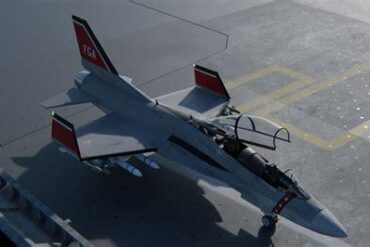
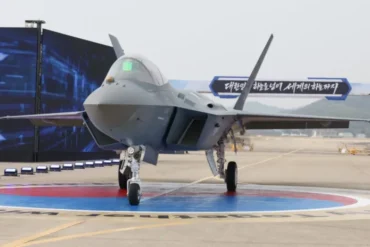
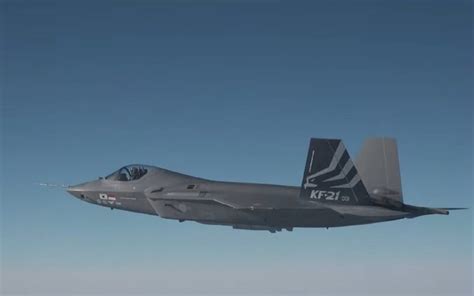
The KF-21 Boramae, South Korea’s first indigenously developed 4.5-generation fighter jet, is already being positioned as a stepping stone toward sixth-generation warfare. The aircraft features partial stealth characteristics and is scheduled to enter service by the end of next year.
What distinguishes the KF-21 is its built-in design flexibility, allowing for rapid upgrades. Shin emphasized that the Boramae’s architecture enables a “most rapid” transition to sixth-generation status through the application of advanced stealth materials and artificial intelligence (AI)-driven pilot software capable of coordinating multi-role UAVs.
KAI plans to test its multi-role combat UAV, a critical component of future crewed-uncrewed operations, during the upcoming Seoul International Aerospace and Defence Exhibition later this year.
“The sixth-generation concept is already partially implemented in the KF-21,” explained Shin. “The first milestone is to enhance stealth by 2030, followed by integrating AI systems and linking them with UAVs.”
Shin projected that South Korea could achieve full sixth-generation fighter capability by the mid-2030s, though he acknowledged the timeline could accelerate depending on competitive pressures.
Crewed-Uncrewed Teaming: The Future of Air Dominance
Global militaries recognize the limitations of relying solely on piloted aircraft for modern air combat. To overcome these, next-generation platforms emphasize crewed-uncrewed teaming, leveraging swarms of UAVs to extend detection ranges, provide additional firepower, and act as force multipliers.
“The global trend is clear,” Shin noted. “Manned aircraft must focus on high-level command and control functions, while unmanned platforms expand offensive and defensive capabilities, reduce risk to human pilots, and drastically lower operational costs.”
KAI is also developing a hyper-connected command and control system designed to integrate ground, air, and space-based assets using communication satellites, a critical infrastructure requirement for seamless sixth-generation operations.
South Korea’s Industrial Partnerships and Strategic Challenges
Despite its technological advances, Shin acknowledged the complexities involved in developing next-generation fighters, citing challenges in hardware-software integration and expanding capabilities beyond current experience.
“The fastest path is collaborating with partners who already possess the necessary expertise,” Shin emphasized, hinting at potential international collaborations to expedite development.
South Korea has traditionally leaned on strategic partnerships to bolster its defense sector. However, the pursuit of indigenous sixth-generation fighters reflects the nation’s growing desire for defense autonomy, especially given escalating regional tensions with North Korea and the intensifying technological race with China.
China’s Sixth-Generation Progress Raises Stakes
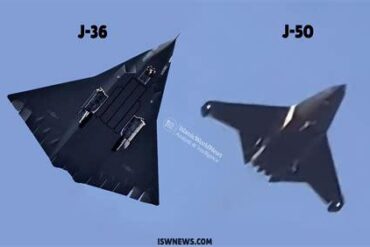
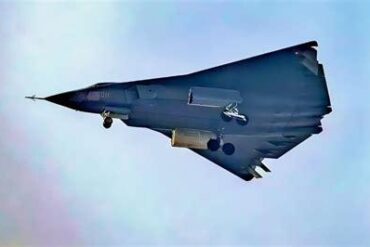
Recent social media footage suggests that China is making significant strides in its sixth-generation programs. Unconfirmed images have surfaced showing advanced aircraft with tailless triangular designs, reminiscent of a “ginkgo leaf,” flying over Chengdu, home to the Chengdu Aircraft Corporation.
Analysts speculate these aircraft, designated the J-36, represent China’s first sixth-generation prototypes. Additional images near Shenyang Aircraft Corporation facilities reveal another design, dubbed the J-50, featuring V-shaped wings and twin engines.
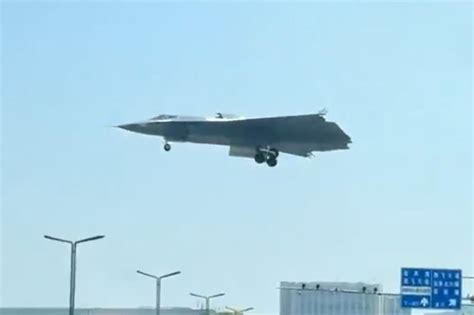
China reportedly initiated its sixth-generation efforts in the late 2010s, with expectations that these fighters could enter service by the mid-2030s, similar to South Korea’s target timeline.
US and Allied Sixth-Generation Programs Gain Momentum
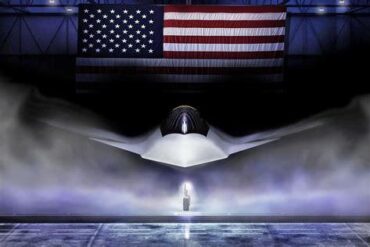
The United States, long considered the global leader in military aviation, is pushing forward with its Next Generation Air Dominance (NGAD) program. Despite concerns over budget constraints, former President Donald Trump confirmed at the Paris Air Show that Boeing has been awarded the contract to develop the F-47, America’s sixth-generation fighter jet projected to enter service in the 2030s.
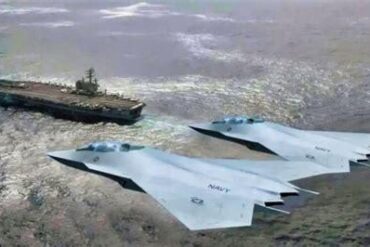
Conversely, the F/A-XX program, aimed at producing a naval equivalent for the US Navy, faces delays following Pentagon requests to reallocate funds toward the F-47’s development.
Meanwhile, several multinational alliances have emerged:
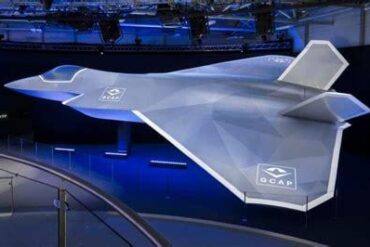
- Global Combat Air Programme (GCAP): A joint project between Britain, Japan, and Italy, targeting sixth-generation aircraft for the 2030s.
- Future Combat Air System (FCAS): A collaboration between France, Germany, and Spain, also set to debut within the same timeframe.
Rare Earth Supply Chains and Aerospace Resilience
As geopolitical competition intensifies, control over critical resources such as rare earth minerals has become a strategic concern. However, Shin downplayed potential vulnerabilities from China’s export controls, noting that these materials constitute only a small fraction of aircraft electronic components and can be sourced from alternative suppliers.
“We’ve assessed the situation, and the impact is manageable,” Shin explained. “There are diverse suppliers and substitutes available, so we foresee no major disruptions.”
South Korea’s Path to Sixth-Generation Air Power
South Korea’s ambitious pursuit of sixth-generation fighter jets reflects both its technological maturation and its strategic imperative to remain competitive in an evolving defense landscape. While challenges remain, particularly in AI integration, UAV development, and advanced stealth, the foundation laid by the KF-21 Boramae and KAI’s growing portfolio positions the country as a formidable player in the future of aerial warfare.
The global race for sixth-generation air superiority is more than a contest of military hardware — it is a battle for technological dominance, strategic autonomy, and deterrence in an increasingly volatile world order. South Korea’s entry into this elite competition marks a defining moment for its aerospace ambitions and its role on the international stage.