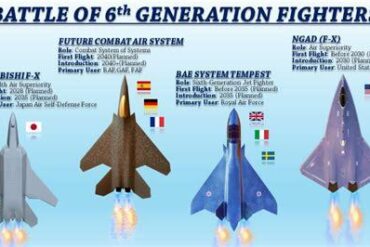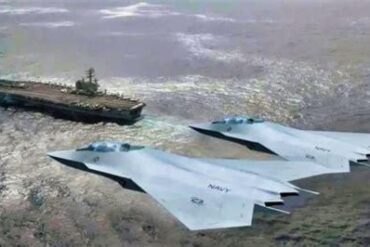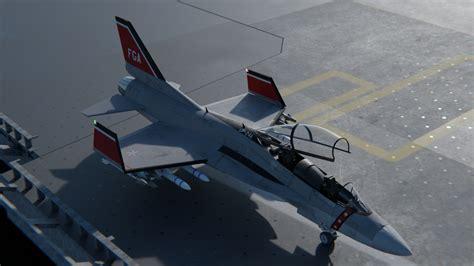
The global race toward advanced fifth- and sixth-generation fighter jets continues at full throttle. Yet, even amid this technological surge, fourth-generation fighters like the Eurofighter Typhoon remain not only relevant—but increasingly indispensable to global air forces.
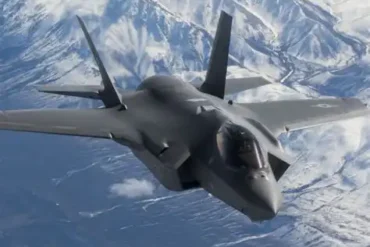
For many nations, the dazzling capabilities of next-gen aircraft such as the F-35 Lightning II or the proposed sixth-gen F-47 under the Next Generation Air Dominance (NGAD) program are tantalizing but out of practical reach. The costs—both in acquisition and lifecycle—are astronomical. Moreover, many countries’ defense postures simply don’t require the bleeding edge of air dominance. In this context, fourth-generation platforms continue to thrive, offering a compelling mix of versatility, affordability, and reliability.
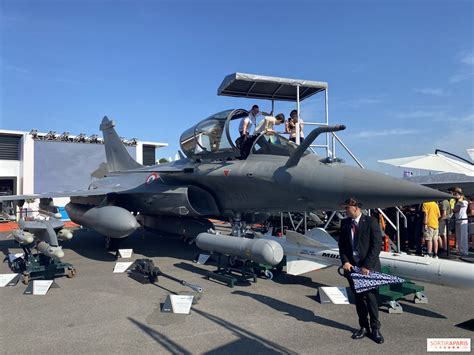
The Eurofighter Typhoon: Cornerstone of 21st Century Air Power
At the center of this enduring relevance is the Eurofighter Typhoon, a highly agile, multirole combat aircraft developed by a consortium of four European nations: Germany, Italy, Spain, and the United Kingdom. While developed during the Cold War era, the Typhoon has undergone significant upgrades that have kept it on par with modern demands, such as active electronically scanned array (AESA) radar, advanced avionics, and multirole capabilities ranging from air superiority to ground attack.
Despite being classified as a fourth-generation jet, the Typhoon’s adaptability has allowed it to evolve into a so-called 4.5 generation fighter, a designation reflecting aircraft that bridge the capability gap between fourth- and fifth-generation designs.
Production Expansion Signals Strong Demand
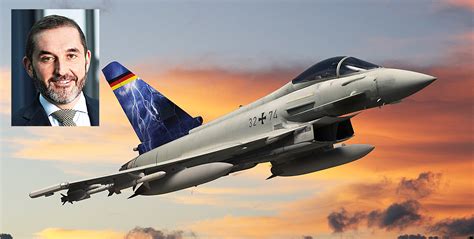
At the 2025 Paris Air Show, Eurofighter CEO Jorge Tamarit Degenhardt revealed an ambitious production roadmap. The annual output of the Typhoon will increase from the current 12–14 aircraft to 20 within three years, and possibly up to 30 annually starting in 2028. This ramp-up is not speculative—it’s a direct response to rising global demand.
“We need to ramp up production fast,” said Degenhardt. He emphasized the importance of modernizing production methods and reinforcing the supply chain of over 400 critical suppliers. Current delivery timelines are around 50 months post-contract, but efforts are underway to streamline this further.
Who’s Buying the Eurofighter Typhoon?
The Typhoon’s success is fueled by both existing operators seeking to modernize fleets and new customers looking for cost-effective alternatives to fifth-gen jets. Austria plans to replace its aging Tranche 1 Typhoons with newer models. Meanwhile, Poland, Turkey, and Saudi Arabia have emerged as active suitors.
Austria
Austria has maintained a modest Typhoon fleet but faces increasing maintenance costs and capability gaps. The country views an upgraded Typhoon variant as a logical replacement—ensuring continuity while enhancing performance.
Poland
While Poland has expressed interest in Boeing’s F-15EX, it has not finalized plans to retire its Soviet-era aircraft, leaving the door open for a fourth-generation solution. The Typhoon offers Poland a technologically advanced yet financially manageable alternative.
Turkey
Turkey’s shifting alliances and exclusion from the F-35 program—a result of its procurement of the Russian S-400 air defense system—have led Ankara to reconsider its fighter strategy. Although it has looked to acquire F-16 Fighting Falcons, the Eurofighter presents a more immediate and geopolitically acceptable option.
Saudi Arabia
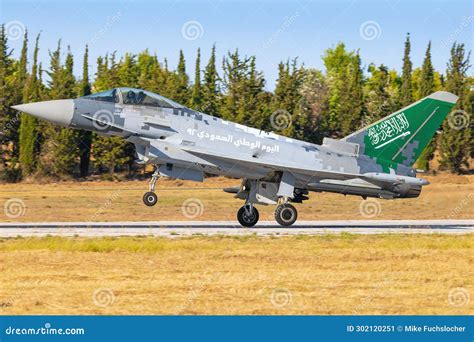
The Kingdom already operates approximately 72 Eurofighter Typhoons and continues to invest in Western platforms. Ongoing talks suggest a strong possibility of follow-on orders, solidifying the Typhoon as the backbone of its air force.
Internal Support from the Eurofighter Consortium
Notably, three of the four consortium nations—Germany, Spain, and Italy—have all committed to buying additional Typhoons. These orders are vital for sustaining production lines and retaining the industrial base and skilled labor force essential for future European defense programs.
United Kingdom’s Shift to F-35s
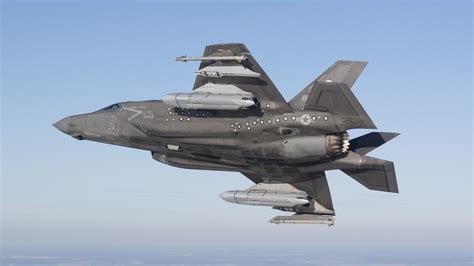
The United Kingdom, however, has taken a different route. Its Strategic Defence Review (SDR) outlines a future centered on the F-35A and F-35B, including STOVL operations aboard Royal Navy aircraft carriers. This decision reflects the UK’s desire for interoperability with NATO allies and enhanced stealth capabilities.
Nonetheless, the UK’s exit from additional Typhoon procurement does not signal a lack of faith—it continues to operate and upgrade its existing fleet, and plays a key role in the Typhoon’s ongoing development.
Why Fourth-Gen Fighters Still Matter Globally
The ongoing relevance of fourth-generation aircraft is underpinned by practical, strategic, and economic considerations. For many nations, the equation isn’t about prestige—it’s about maintaining a credible air force with limited budgets.
Affordability and Availability
Fifth- and sixth-generation jets cost $80–120 million per unit, excluding maintenance and infrastructure. In contrast, fourth-gen fighters like the Typhoon are cheaper to procure, maintain, and operate—especially for nations with existing logistics and pilot training ecosystems built around similar platforms.
Operational Flexibility
Fourth-generation fighters excel in multirole missions without the high-risk complexity of stealth systems. Their interoperability, ease of maintenance, and established supply chains make them optimal for countries focused on regional deterrence rather than power projection.
Upgrade Potential
Modern fourth-gen aircraft are highly modular. Upgrades such as AESA radar, IRST systems, and electronic warfare suites enable these platforms to operate in contested environments with increasing effectiveness. These upgrades delay obsolescence and reduce the urgency to transition to unproven sixth-gen platforms.
The Strategic Significance of Extended Production
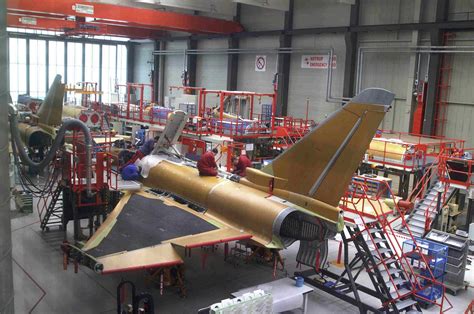
The extended production timeline for the Eurofighter Typhoon ensures more than just aircraft deliveries. It sustains a pan-European aerospace industry that includes thousands of jobs, advanced manufacturing processes, and technological innovation.
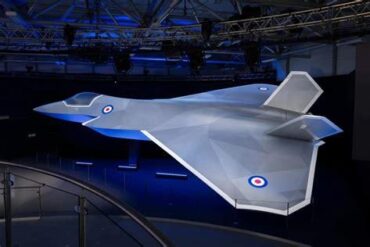
The Typhoon program also acts as a bridge toward future European defense projects like the GCAP (Global Combat Air Programme) and FCAS (Future Combat Air System). By maintaining production readiness and workforce expertise, the Eurofighter project prevents capability gaps that could otherwise undermine these more ambitious sixth-gen undertakings.
Conclusion: The Enduring Role of Fourth-Gen Fighters
The high-gloss appeal of stealth and sensor fusion may dominate headlines, but reality on the ground favors utility, cost-efficiency, and adaptability. The fourth-generation fighter—particularly the Eurofighter Typhoon—embodies these qualities in full. As long as nations prioritize combat readiness, strategic balance, and budgetary realism, fourth-gen jets will remain a pillar of global air power.
Looking ahead, the Typhoon’s evolution and continued deployment will serve as both a tactical solution and a strategic enabler—bridging today’s operational needs with tomorrow’s aerospace ambitions. Its resurgence is not a symbol of technological stagnation, but a reminder that smart defense planning begins with sustainable strength.