The Boeing 787 Dreamliner represents one of the most significant engineering shifts in modern commercial aviation. When Boeing launched the program, it moved away from a century of aluminum-dominated aircraft construction and embraced a radically different approach centered on carbon fiber reinforced polymer (CFRP). The decision transformed how large airliners are built, improved fuel efficiency, enhanced passenger comfort, and redefined long-haul travel economics.
Yet despite these achievements, the Dreamliner has repeatedly found itself at the center of discussions involving manufacturing defects, structural gaps, composite contamination, and allegations regarding assembly quality. For many observers, this raises an important question: if carbon fiber is stronger, lighter, and more advanced than aluminum, why does the Boeing 787 still experience cracking concerns?
The answer lies not in a simple failure of materials but in the complex relationship between composite engineering, manufacturing precision, global supply chains, and the unique ways carbon fiber structures age over time.
The Revolutionary Decision To Build The Boeing 787 With Carbon Fiber
For decades, commercial aircraft relied almost entirely on aluminum alloys for their primary structures. Aluminum was relatively lightweight, easy to manufacture, resistant to corrosion compared to steel, and well understood by engineers. Every major jetliner, from the Boeing 707 to the Boeing 777, was built around aluminum-based airframes.
The 787 changed that formula dramatically.
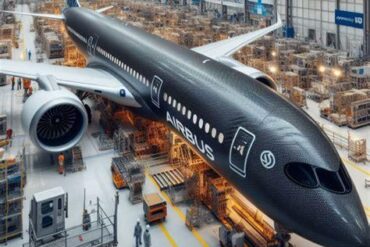
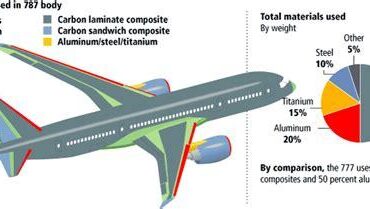
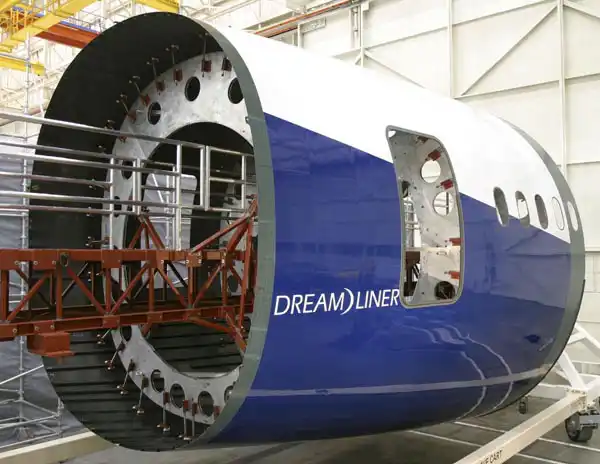
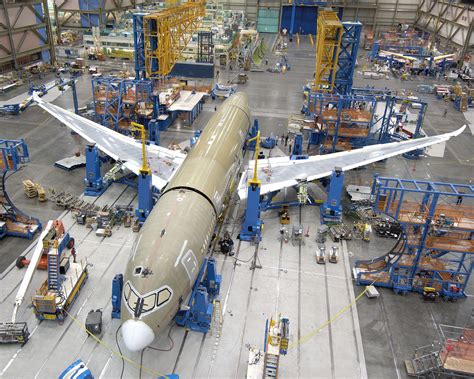
Approximately 50% of the Dreamliner’s structural weight consists of composite materials, primarily carbon fiber reinforced polymer. More importantly, much of the fuselage itself is made from large composite barrel sections rather than thousands of individual aluminum panels riveted together.
Traditional aircraft construction involves assembling numerous metal sheets, frames, stringers, and fasteners into a completed fuselage. Boeing instead developed a system where massive one-piece composite sections could be manufactured and then joined together during final assembly.
This innovation eliminated roughly 1,500 aluminum sheets and tens of thousands of fasteners from each aircraft.
The result was a lighter structure that delivered immediate operational benefits. Every kilogram removed from an aircraft reduces the amount of fuel required to keep it airborne. Over millions of flight hours, those savings become enormous.
Airlines quickly embraced the Dreamliner because it offered approximately 20% lower fuel consumption per seat compared with the Boeing 767, the aircraft it was designed to replace.
The economic advantages were so substantial that the 787 became one of the fastest-selling widebody aircraft programs in aviation history.
Understanding Carbon Fiber Reinforced Polymer
Carbon fiber reinforced polymer is fundamentally different from traditional metals.
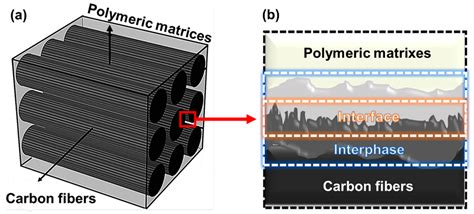
Instead of relying on a single homogeneous material, CFRP combines extremely strong carbon fibers with a resin matrix. The fibers provide strength and stiffness, while the resin binds everything together and distributes loads throughout the structure.
The resulting material offers several advantages:
- Exceptional strength-to-weight ratio
- Outstanding fatigue resistance
- Reduced corrosion risk
- Greater design flexibility
- Lower maintenance requirements
Carbon fiber can be engineered so that fibers are oriented in specific directions to handle anticipated loads. This allows aerospace engineers to tailor structural performance more precisely than with conventional metals.
In many applications, composites provide greater strength while weighing significantly less than aluminum.
For a long-range aircraft like the Dreamliner, these weight savings translate directly into increased range, lower operating costs, and reduced environmental impact.
The material also allows Boeing to design structures that would be difficult or impractical using conventional metal construction methods.
Why The Composite Fuselage Improves Passenger Comfort
The benefits of carbon fiber extend beyond airline economics.
One of the less-publicized advantages involves cabin pressurization.
Passengers on long-haul flights often experience fatigue, dehydration, and discomfort because aircraft cabins are typically pressurized to simulate altitudes around 8,000 feet above sea level. While safe, this lower pressure can contribute to physical discomfort during extended flights.
Because carbon fiber structures tolerate cyclic pressurization loads more effectively than comparable aluminum designs, Boeing was able to lower the effective cabin altitude to approximately 6,000 feet.
This seemingly small difference produces noticeable improvements in passenger well-being.
Many travelers report feeling less exhausted after long flights aboard the Dreamliner compared with older aircraft.
The composite structure also enabled Boeing to introduce some of the largest passenger windows ever installed on a commercial airliner. Larger openings normally create structural challenges in metal fuselages because they concentrate stress around cutouts. Carbon fiber’s strength characteristics provided greater flexibility in window design.
Combined with improved humidity levels and lower cabin altitude, these innovations helped establish the 787’s reputation as one of the most passenger-friendly aircraft in service.
Why Carbon Fiber Does Not Crack Like Aluminum
The word “crack” often creates confusion when discussing composite aircraft structures.
When aluminum experiences repeated stress cycles, fatigue cracks typically develop in predictable ways. These cracks usually begin at stress concentrations, such as rivet holes or structural joints, before gradually growing larger.
One advantage of aluminum is that many fatigue cracks eventually become visible on the surface.
Inspectors can often identify and monitor crack growth during routine maintenance checks.
Carbon fiber behaves very differently.
Instead of developing traditional metal fatigue cracks, composite structures often experience:
- Internal delamination
- Matrix micro-cracking
- Fiber separation
- Impact damage
- Interlaminar failure
Delamination occurs when layers inside the composite laminate begin separating from one another. This damage can remain hidden beneath the surface and may not be visible during ordinary visual inspections.
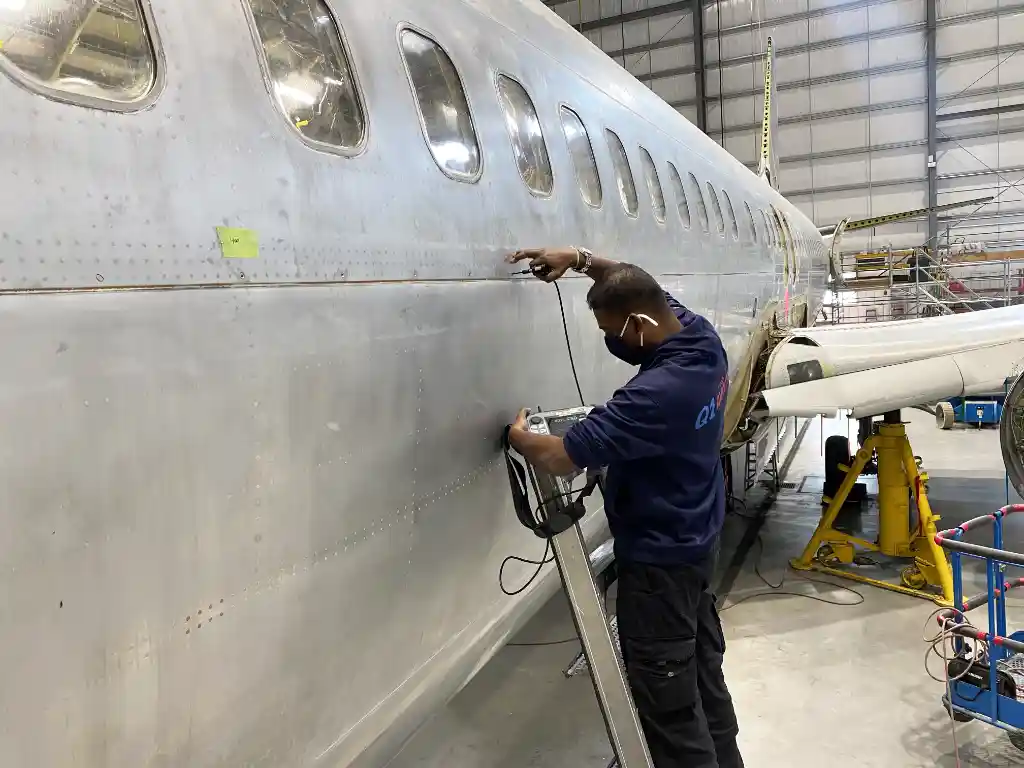
As a result, composite inspection programs rely heavily on advanced non-destructive testing techniques, including ultrasonic scanning and other specialized methods.
The challenge is not necessarily that composites fail more frequently than aluminum. The challenge is that their failure modes are often harder to detect.
The Hidden Challenge Of Composite Barrel Construction
Building an aircraft from large composite barrels sounds straightforward in theory.
In practice, it requires extraordinary precision.
Each Dreamliner fuselage section must connect perfectly with adjacent sections. Even tiny deviations can affect how loads are distributed throughout the aircraft.
The joining process is especially critical because the aircraft experiences continuous cycles of pressurization and depressurization throughout its operational life.
Every flight subjects the fuselage to structural loads as the cabin is pressurized during climb and depressurized during descent.
Over thousands of cycles, even minor imperfections can become significant.
The Dreamliner’s composite sections are manufactured separately before being transported to final assembly facilities. Once there, engineers must ensure every joining surface aligns within extremely tight tolerances.
Any mismatch creates localized stress concentrations that may accelerate structural aging.
For composite structures, managing these stress concentrations becomes particularly important because internal damage can develop without obvious external warning signs.
The Boeing 787 Gap Defect Controversy
One of the most widely reported manufacturing issues affecting the Dreamliner involved fuselage gap defects.
Federal Aviation Administration documentation identified concerns involving out-of-tolerance gaps at several critical structural locations, including fuselage joins, doors, and pressure bulkhead areas.
The issue centered on microscopic deviations in fuselage mating surfaces.
While these gaps were extremely small, aerospace manufacturing operates within incredibly demanding tolerances. Differences measured in thousandths of an inch can influence how structural loads move through an aircraft.
When gaps exceed acceptable limits, engineers typically use precision shims to restore proper load transfer between components.
Problems arise when shimming is insufficient, improperly applied, or absent altogether.
In such cases, loads may become concentrated in localized areas rather than distributed evenly across the joint.
For composite structures, uneven load distribution increases the potential for internal fatigue-related damage over time.
Importantly, regulators and Boeing repeatedly stated that these defects did not represent immediate flight safety threats. The concern instead involved long-term durability and structural aging throughout the aircraft’s service life.
Nevertheless, the scale of the issue attracted significant attention because more than a thousand aircraft potentially required evaluation.
Composite Contamination And Manufacturing Defects
The Dreamliner program has also faced concerns involving contamination during composite fabrication.
Producing aerospace-grade carbon fiber structures is an extraordinarily demanding process.
Manufacturers must carefully control:
- Temperature
- Humidity
- Resin content
- Fiber orientation
- Curing conditions
- Surface cleanliness
Even minor contamination can affect composite performance.
Foreign materials trapped within laminate layers may create weaknesses that compromise structural integrity or accelerate degradation under cyclic loading.
Reports involving contamination affected various aircraft structures, including portions of the fuselage, wings, and empennage.
Although most identified issues did not create immediate operational hazards, they highlighted the complexity of manufacturing large composite aircraft structures at industrial scale.
Unlike traditional metalworking, composite fabrication often provides fewer opportunities to correct mistakes after curing is complete.
Precision during initial production becomes absolutely essential.
The Sam Salehpour Whistleblower Allegations
In 2024, Boeing engineer Sam Salehpour brought renewed attention to the Dreamliner program through testimony presented before the United States Senate.
Salehpour alleged that assembly practices at Boeing’s North Charleston facility sometimes involved applying excessive force to bring fuselage sections together.
According to his claims, workers occasionally forced components into alignment rather than fully correcting dimensional discrepancies through approved shimming procedures.
His concern centered on the possibility that such practices could introduce hidden stresses into fuselage joints.
Over many years of airline operation, these stresses might theoretically contribute to premature structural degradation.
The allegations triggered regulatory scrutiny and widespread media coverage.
Boeing strongly disputed claims that aircraft safety had been compromised. The company stated that identified issues had already been evaluated and addressed through established quality-management processes.
The FAA subsequently reviewed the concerns as part of ongoing oversight activities.
The debate underscored a broader reality facing modern aerospace manufacturing: when tolerances are measured in thousandths of an inch, even relatively small process deviations can generate major public concern.
The Global Supply Chain Behind The Dreamliner
The Dreamliner’s manufacturing strategy differs significantly from previous Boeing programs.
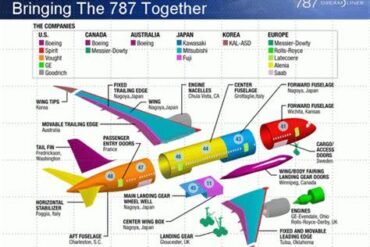
Rather than concentrating production within a limited number of facilities, Boeing distributed major structural responsibilities among international partners.
Key fuselage sections are produced by manufacturers in:
- United States
- Japan
- Italy
These components are then transported to final assembly locations where they are integrated into completed aircraft.
The strategy aimed to reduce development costs, distribute financial risk, and leverage specialized expertise from global suppliers.
However, it also introduced new challenges.
Each supplier must manufacture enormous structural assemblies that ultimately need to fit together with extraordinary precision.
Even when every supplier individually meets specifications, slight variations can accumulate through a phenomenon known as tolerance stacking.
Tolerance stacking occurs when multiple acceptable deviations combine to create larger alignment challenges during final assembly.
Managing these cumulative effects requires extensive oversight, measurement, and quality control.
Several supplier-related issues have emerged over the years, including incorrect material usage, fastener concerns, and aft fuselage assembly problems.
These incidents do not necessarily indicate systemic failure, but they demonstrate how complex modern aerospace supply chains have become.
Why Cracks Still Matter In A Carbon Fiber Aircraft
Despite the Dreamliner’s technological sophistication, structural cracking remains an important topic.
The critical distinction is that cracks in composite aircraft often differ from cracks in metal aircraft.
When engineers discuss cracking concerns involving the 787, they are frequently referring to:
- Resin micro-cracks
- Internal delamination
- Composite separation
- Fastener-area damage
- Stress-related structural degradation
These conditions require specialized inspection techniques and engineering analysis.
The existence of potential cracking mechanisms does not mean the aircraft is unsafe. Every aircraft type experiences structural aging over time.
Instead, the focus centers on understanding how composite structures evolve throughout decades of service and ensuring maintenance procedures identify emerging issues before they become significant.
The aviation industry continues accumulating data from thousands of Dreamliner flights worldwide, providing valuable insight into long-term composite performance.
What The Boeing 787 Has Proven About Composite Airliners
More than a decade after entering commercial service, the Boeing 787 remains one of the most important aircraft ever developed.
Its carbon fiber fuselage demonstrated that large composite airliners can operate successfully on a global scale while delivering meaningful advantages in fuel efficiency, operating economics, passenger comfort, and environmental performance.
At the same time, the program revealed the immense challenges associated with manufacturing advanced composite structures across a globally distributed supply chain. Issues involving fuselage gaps, contamination, supplier errors, and assembly quality showed that revolutionary materials do not eliminate the need for exceptional manufacturing discipline.
The Dreamliner’s story is therefore not one of failure but of technological evolution. Carbon fiber enabled capabilities that conventional aluminum aircraft could not easily achieve. Yet the material introduced new inspection requirements, new quality-control challenges, and new ways of thinking about structural integrity.
As airlines continue operating more than a thousand Dreamliners around the world, the aircraft serves as both a landmark engineering success and a valuable lesson in the complexities of building the future of commercial aviation. The Boeing 787 proved that composite airframes could redefine air travel, but it also demonstrated that even the most advanced materials remain dependent on precision manufacturing, rigorous oversight, and continuous attention to structural detail.
Frequently Asked Questions
What percentage of the Boeing 787 is made from carbon fiber composites?
Approximately 50% of the Boeing 787’s structural weight consists of composite materials, primarily carbon fiber reinforced polymer, making it the first major commercial airliner built largely from composites.
Does the Boeing 787 fuselage actually crack?
The 787 can experience composite-related damage mechanisms such as delamination, resin micro-cracking, and internal structural separation. These differ from traditional aluminum fatigue cracks and often require specialized inspection methods to detect.
Why did Boeing choose carbon fiber instead of aluminum?
Carbon fiber offers a superior strength-to-weight ratio, improved corrosion resistance, lower maintenance requirements, and significant fuel-efficiency benefits. These advantages helped the 787 achieve roughly 20% better fuel efficiency than the Boeing 767.
Are the Boeing 787 manufacturing defects a safety risk?
Regulators and Boeing have generally stated that identified manufacturing defects were not immediate safety-of-flight issues. Most concerns focused on long-term durability, structural aging, and compliance with manufacturing specifications.
What makes the Boeing 787 more comfortable for passengers?
The composite fuselage allows a lower cabin altitude of approximately 6,000 feet, higher humidity levels, and larger windows, helping reduce fatigue and improve comfort during long-haul flights.