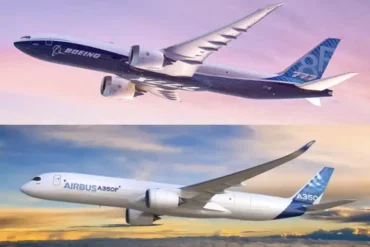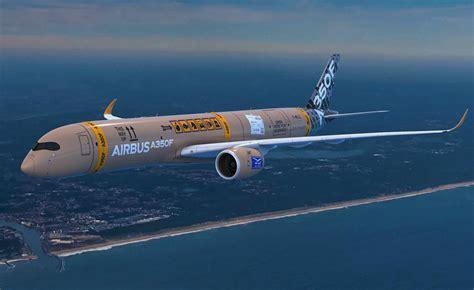
The modern air cargo industry runs on a delicate equation: payload, range, fuel efficiency, and regulatory compliance. For decades, Boeing dominated this equation with aircraft like the 777F and 767F, which became the backbone of global freight fleets. Now a new variable has entered the formula—the Airbus A350F, the world’s first large cargo aircraft built primarily from carbon-fiber composite materials.
This development is more than a simple product launch. It represents a structural shift in how cargo aircraft are designed and how efficiently they can operate. By adapting the passenger-focused A350 platform into a purpose-built freighter, Airbus has introduced a machine that promises lighter structures, lower fuel burn, and compliance with future environmental rules. Those advantages have the potential to reshape fleet strategies across the cargo industry.
For Boeing, which has historically ruled the freighter market, the A350F creates a strategic puzzle. Its current freighter lineup relies heavily on aircraft designed decades ago. Regulatory deadlines, production transitions, and delayed programs mean the company may soon face a gap in its product offering.
The question echoing through the aviation world is simple: could Airbus gain a decisive advantage in the next generation of cargo aircraft?
The Rise of the A350 Platform in Modern Aviation
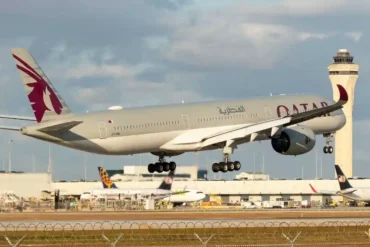
The Airbus A350 has already proven itself as one of the most efficient long-haul passenger aircraft ever produced. Introduced as a clean-sheet redesign in the mid-2000s, the aircraft was built around a philosophy of lightweight composite construction and advanced aerodynamics.
Roughly 53% of the A350’s structure is made from carbon-fiber-reinforced polymers, materials that combine exceptional strength with far lower weight than traditional aluminum alloys. Lighter aircraft require less thrust to stay airborne, and that translates directly into reduced fuel consumption—one of the biggest cost drivers in aviation.
Airlines quickly recognized the value of this design. More than a decade after its first flight, the A350 still maintains a strong order backlog, with many carriers relying on it for long-haul routes where fuel efficiency determines profitability.
This success naturally sparked interest in adapting the design for cargo operations. Cargo airlines, after all, operate on razor-thin margins. Any improvement in payload capacity or fuel burn can reshape an airline’s economics.
Turning the A350 into a freighter seemed like a logical next step—but the transition required careful engineering.
Engineering the A350F: A Purpose-Built Cargo Giant
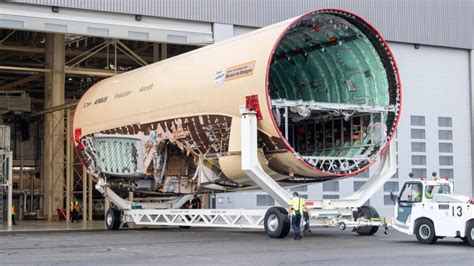
The A350F program officially launched in 2021, and since then Airbus has steadily progressed toward assembling the first aircraft. Major structural components—fuselage sections from Montoir-de-Bretagne, wings manufactured in the United Kingdom, and tail structures from Spain—have been converging at Airbus’s final assembly line in Toulouse, France.
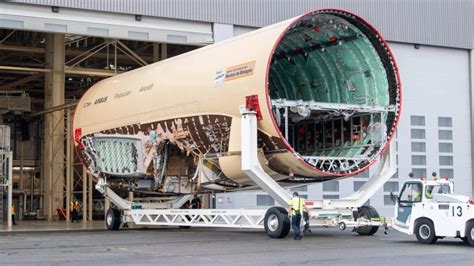
Transporting these enormous components requires one of the most unusual aircraft in the sky: the Airbus Beluga, a bulbous cargo transporter designed specifically for moving aircraft parts between Airbus facilities.
Once assembled, the A350F will undergo a comprehensive flight-testing campaign scheduled to run from 2026 through 2027. Two test aircraft are being constructed to validate structural integrity, performance characteristics, and cargo handling systems.
Originally, Airbus hoped to deliver the first aircraft in 2026. However, supply chain disruptions—particularly delays from fuselage supplier Spirit AeroSystems—have pushed the expected entry into service to the second half of 2027.
Even with the delay, industry attention remains intense. The aircraft already has more than 80 firm orders, comfortably exceeding the threshold Airbus set to justify the program’s multi-billion-dollar investment.
A Carbon-Fiber Freighter: Why the Materials Matter
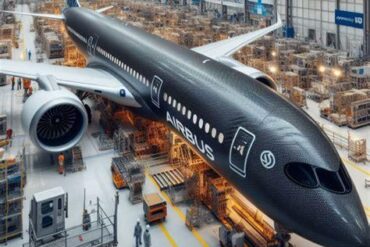
The A350F’s most important innovation is hidden in plain sight: the composite fuselage structure. Traditional freighters rely on aluminum airframes, which are durable but relatively heavy. Carbon-fiber composites, by contrast, offer high strength with significantly less weight.
Reducing structural mass has cascading effects across the aircraft’s design.
A lighter fuselage allows engineers to increase payload capacity without exceeding structural limits. It also lowers fuel burn per tonne of cargo carried. Over thousands of flights per year, these efficiency gains translate into millions of dollars saved for cargo operators.
Composite structures also resist fatigue and corrosion more effectively than aluminum. Cargo aircraft often endure intense loading cycles as pallets and containers are repeatedly moved in and out of the fuselage. Materials that tolerate these stresses better can extend the aircraft’s operational lifespan.
The A350F is not merely a passenger jet with seats removed. Its fuselage has been shortened and structurally reinforced to accommodate heavy cargo loads while maintaining the aerodynamic efficiency of the original design.
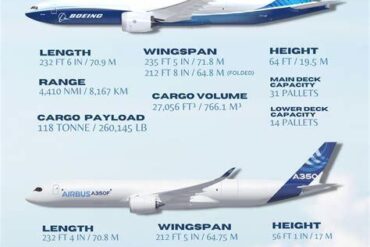
The result is a freighter capable of carrying up to 245,000 pounds of payload, far exceeding the capacity of many current cargo aircraft.
The Largest Cargo Door in Commercial Aviation
Freighter design revolves around one deceptively simple feature: the cargo door. Loading efficiency determines turnaround time, and in cargo aviation, time directly equals money.
Airbus addressed this challenge with a remarkable engineering solution. The A350F features the largest main-deck cargo door of any commercial aircraft, with a cut-out width of 175 inches and a clear opening of 169.5 inches.
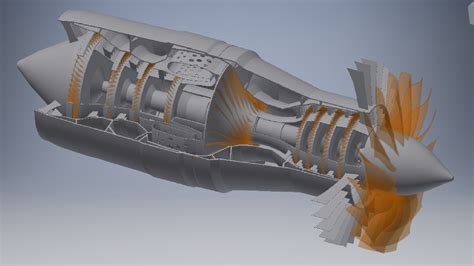
This door is about 15% wider than the door on the Boeing 777 Freighter, a difference that dramatically improves loading flexibility. Bulky items—industrial equipment, oversized machinery, or modern turbofan engines—can be loaded more easily without complicated repositioning.
The door also introduces several technological innovations:
- Composite construction matching the carbon-fiber fuselage
- Electric opening mechanisms instead of hydraulic systems
- Rear fuselage placement to maintain a stable center of gravity during loading
These details might seem minor, but cargo operations revolve around efficiency. Faster loading procedures reduce ground time, allowing airlines to maximize aircraft utilization.
In the cargo world, minutes matter.
Performance Capabilities That Reshape Payload Economics
The A350F’s performance numbers reveal why cargo airlines are watching the program so closely.
The aircraft uses the same Rolls-Royce Trent XWB engines found on the passenger A350 family, among the most efficient large turbofan engines ever built. Combined with the wide wings originally developed for the A350-1000, these engines allow the freighter to lift enormous payloads while maintaining long-range capability.
Key performance figures include:
- Maximum payload: 245,000 pounds
- Maximum takeoff weight: approximately 703,000 pounds
- Range: around 4,700 nautical miles
- Cargo capacity: up to 30 standard pallets
These numbers position the aircraft directly in competition with Boeing’s flagship cargo aircraft.
However, the A350F carries an additional advantage: fuel efficiency improvements of up to 20% compared with older freighters. As fuel prices fluctuate and environmental regulations tighten, such gains can reshape airline fleet planning.
Airlines that operate large cargo networks must constantly balance operating costs against payload capacity. A more efficient freighter can tilt that balance significantly.
Why Emissions Regulations Are Changing the Cargo Market
The looming regulatory environment is perhaps the most important factor driving interest in the A350F.
In 2017, the International Civil Aviation Organization (ICAO) introduced stricter carbon-emission standards for aircraft. These regulations will affect newly produced aircraft starting in 2028.
Older freighter models—particularly those derived from legacy passenger jets—may struggle to meet these requirements.
For manufacturers, this creates a ticking clock. Aircraft that cannot comply with the rules may no longer be eligible for production, forcing companies to redesign or retire existing models.
At present, the A350F is the only large freighter designed from the outset to meet these future emission standards.
This regulatory alignment gives Airbus a strategic advantage. Airlines planning fleet replacements in the late 2020s may find the A350F one of the few compliant options available.
Boeing’s Freighter Legacy and Emerging Challenges
For decades, Boeing dominated the cargo aircraft market. Aircraft such as the 747 Freighter, 777F, and 767F formed the backbone of global logistics networks.
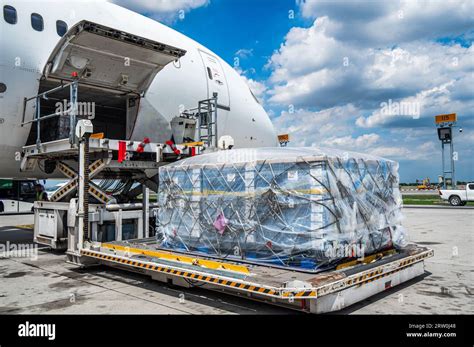
These aircraft proved reliable, powerful, and capable of transporting massive loads across continents. Many cargo airlines built their entire fleets around them.
However, time introduces complications. Several Boeing freighters rely on airframe designs that originated decades ago. As emissions rules evolve and production lines shift toward newer aircraft, maintaining these legacy freighter programs becomes increasingly difficult.
The 767 Freighter, for example, is scheduled to end production around 2027. Despite strong demand during the pandemic-driven cargo boom, orders have slowed significantly.
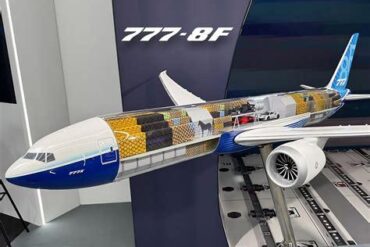
The 777F, another cornerstone of Boeing’s cargo lineup, will eventually give way to the next-generation 777-8F, part of the broader 777X family. Unfortunately for Boeing, the 777X program has experienced repeated delays, pushing certification and delivery timelines further into the future.
This timing problem could open a window for Airbus.
The Missing Piece: Boeing’s Unlaunched 787 Freighter
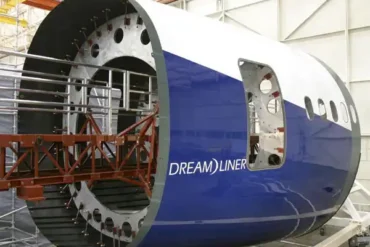
One aircraft often mentioned in industry discussions is the Boeing 787F—a potential cargo variant of the popular 787 Dreamliner.
In theory, the concept makes sense. Like the A350, the 787 uses extensive carbon-fiber composite construction, making it highly efficient for long-distance operations. A freighter version could compete directly with the A350F in terms of technology and operating economics.
Yet Boeing has not launched the program.
Company leadership has repeatedly suggested that the 777-8F will remain the company’s primary focus in the cargo segment. Developing a 787 freighter would require billions of dollars in investment, and market demand may not justify such spending if the cargo market stabilizes.
The global freight sector surged during the pandemic as supply chains scrambled to move goods quickly. Since then, demand has returned to more typical levels. Cargo airlines have become cautious about large aircraft purchases.
Launching a new freighter program during a market cooldown carries obvious financial risks.
A Strategic Crossroads for Boeing
The dilemma facing Boeing resembles a classic engineering paradox: every solution introduces a new constraint.
If Boeing launches the 787F, it must invest heavily in development and certification. There is also the risk that the aircraft could compete with the 777-8F, potentially splitting demand between two internal products.
If Boeing avoids launching a new freighter, Airbus may enjoy several years with minimal competition in the next-generation large freighter market.
Either scenario carries consequences.
Airbus, meanwhile, has positioned the A350F as a future-proof aircraft designed for upcoming regulatory standards and long-term operational efficiency. Cargo airlines evaluating fleet renewals for the 2030s may view this aircraft as a logical successor to aging freighters.
If the A350F delivers on its promised efficiency gains, it could gradually shift the balance of power in the cargo aircraft market.
The Future of Large Cargo Aircraft
The introduction of the A350F highlights a broader transformation underway in aviation. Aircraft manufacturers are moving toward composite structures, advanced engines, and digitally optimized aerodynamics to reduce fuel burn and environmental impact.
Cargo aircraft are no exception.
Historically, freighters were often converted passenger jets or modified versions of existing designs. The A350F represents a shift toward purpose-built cargo aircraft engineered for modern efficiency standards.
For airlines, the stakes are enormous. Air cargo remains the invisible infrastructure behind global trade, carrying everything from electronics to medical equipment across continents overnight.
The aircraft that dominate this market shape the economics of global logistics.
If Airbus successfully delivers the A350F on schedule and at scale, the aircraft could become a defining platform of the next generation of cargo aviation.
For Boeing, the emergence of a carbon-fiber large freighter from its longtime rival serves as a reminder that even industry leaders must continually reinvent themselves. In aerospace, the balance between innovation, timing, and market demand is as delicate as the physics that keep a 700,000-pound aircraft suspended in the sky.
And sometimes, a single new airplane can shift that balance.