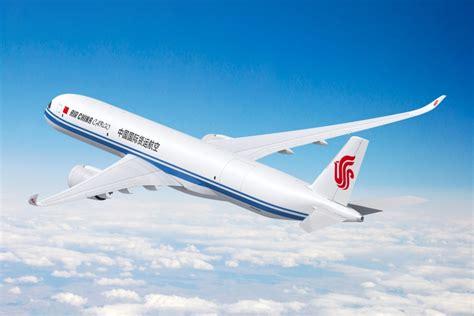
Air China Cargo has officially expanded its Airbus A350F order from six aircraft to 10, marking a major milestone for both the airline and Airbus as competition intensifies in the global widebody freighter market. The move strengthens Airbus’ position in China’s rapidly growing cargo aviation sector while signaling Air China Cargo’s confidence in long-term international freight demand.
The agreement, confirmed by Airbus on May 26, transforms Air China Cargo’s previously announced purchase options into firm orders. The airline had already made history in November 2025 by becoming the first mainland Chinese carrier to commit to the A350F program. With this latest expansion, the carrier now plans to build a substantial next-generation freighter fleet centered around Airbus’ newest cargo aircraft.
The announcement arrives at a critical moment for the aviation cargo industry. Airlines worldwide are balancing fluctuating freight demand with rising environmental regulations, fuel efficiency requirements, and the retirement of aging freighter fleets. For Air China Cargo, the decision reflects a strategic effort to modernize operations while preparing for long-term cargo growth linked to manufacturing exports and global e-commerce networks.
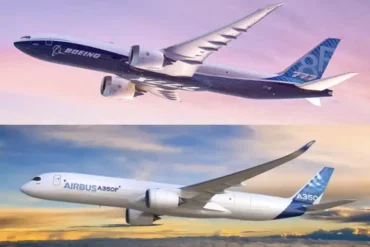
The additional four aircraft also represent a major endorsement of the A350F program itself. Airbus has aggressively positioned the aircraft as a direct competitor to Boeing’s dominant freighter lineup, particularly the Boeing 777F and the future 777-8F. Securing deeper commitments from Chinese airlines is especially significant because China remains one of the world’s largest and fastest-growing air cargo markets.
Airbus Gains Momentum In The Chinese Freighter Market
The Airbus A350F has become one of the manufacturer’s most ambitious attempts to reshape the dedicated cargo aircraft sector. Historically, Boeing has controlled much of the long-haul freighter market through aircraft such as the Boeing 747F, 767F, and 777F. Airbus, by contrast, has traditionally maintained a smaller presence in cargo operations.
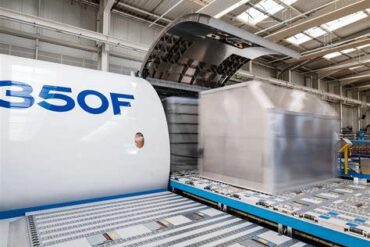
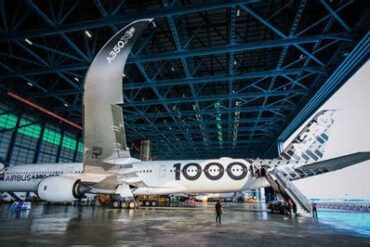
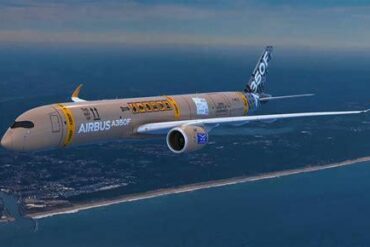
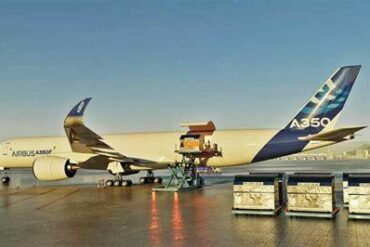
The A350F changes that strategy entirely. Developed specifically as a purpose-built freighter rather than a passenger conversion, the aircraft incorporates advanced aerodynamics, lightweight composite materials, and next-generation engine technology designed to reduce operating costs dramatically.
Powered by Rolls-Royce Trent XWB-97 engines, the A350F is expected to deliver up to 20% lower fuel burn and carbon emissions compared with older freighters in the same payload category. Airbus has also emphasized that the aircraft is designed to comply fully with ICAO’s stricter 2027 carbon dioxide emissions standards, a growing concern for airlines operating older four-engine cargo aircraft.
Sustainability has become one of Airbus’ strongest selling points. The manufacturer says the A350F will enter service capable of operating with up to 50% sustainable aviation fuel, while the company continues targeting full 100% SAF compatibility by 2030. That capability could become increasingly important as governments and logistics companies pressure airlines to reduce environmental impacts across global supply chains.
Air China Cargo’s expanded order provides Airbus with another high-profile customer victory as the company works to increase confidence in the A350F program ahead of entry into service later this decade. Before this latest agreement, Airbus had already accumulated more than 100 A350F orders globally, showing growing industry interest in next-generation cargo aircraft.
Air China Cargo Accelerates Fleet Modernization Plans
The expanded commitment also highlights Air China Cargo’s broader strategy to modernize its long-haul freight operations. The airline currently operates a mixed fleet that includes Boeing 747-400 freighters, Boeing 777Fs, and Airbus A330 converted freighters.
Several of those aircraft are approaching the later stages of their operational life cycles, particularly the aging Boeing 747-400Fs. While the 747 remains iconic in global cargo aviation, airlines increasingly face higher fuel costs, more expensive maintenance requirements, and tighter emissions regulations when operating older four-engine aircraft.
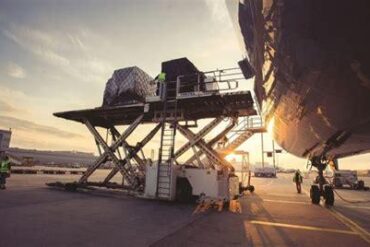
Replacing those aircraft with the A350F offers multiple operational advantages. Airbus states the aircraft can transport approximately 111 tonnes of cargo over distances of around 8,700 kilometers, making it suitable for major intercontinental freight routes linking China with Europe, the Middle East, and other Asian markets.
The timing of the order expansion is notable because Chinese airlines continue investing heavily in international cargo infrastructure despite periods of volatility in the global freight market. Cross-border e-commerce growth, manufacturing exports, semiconductor logistics, and high-value supply chains continue generating strong long-term demand for air cargo capacity.
Industry analysts expect Chinese freight operators to remain aggressive in expanding widebody cargo fleets throughout the next decade. China’s role as a manufacturing powerhouse ensures continued reliance on fast global transportation networks, especially for time-sensitive products and online retail distribution.
Air China Cargo’s investment therefore reflects more than simple fleet replacement. It signals confidence that long-haul cargo demand will remain strategically important for the airline group over the coming decades.
Operational Commonality Creates Additional Advantages
Another factor strengthening the A350F business case involves fleet commonality. Air China already operates Airbus A350-900 passenger aircraft, allowing the airline group to benefit from shared pilot training systems, maintenance procedures, spare parts inventories, and operational expertise.
This commonality can reduce long-term operating costs significantly while simplifying fleet integration. Airlines increasingly prioritize these efficiencies when selecting next-generation aircraft, especially as labor shortages and maintenance complexity continue affecting the global aviation sector.
The decision also deepens Airbus’ relationship with Air China and the wider Chinese aviation market. Airbus has steadily expanded its footprint in China across both commercial passenger and cargo segments, competing directly against Boeing for future fleet growth opportunities.
For Airbus, the symbolism of securing mainland China’s first A350F customer carries substantial strategic importance. China is expected to remain one of the world’s largest aviation growth markets over the next twenty years, making every major airline order politically and commercially significant.
Deliveries of Air China Cargo’s A350Fs are expected to begin between 2029 and 2031, according to earlier regulatory filings connected to the deal.
Airbus And Boeing Enter A New Cargo Aircraft Rivalry
The Air China Cargo order expansion further intensifies the growing battle between Airbus and Boeing in the global freighter sector. Boeing still maintains enormous market strength thanks to the success of the 777F and the long-standing legacy of the 747 freighter family. However, Airbus is increasingly targeting airlines seeking more fuel-efficient and environmentally compliant alternatives.
Unlike converted passenger aircraft, the A350F was engineered from the beginning for dedicated cargo operations. Airbus believes that design approach gives the aircraft structural, efficiency, and payload advantages that will appeal to airlines replacing older fleets during the next decade.
At the same time, Boeing continues advancing development of the 777-8F, setting up a direct long-range freighter competition between two next-generation aircraft families. Airlines evaluating future cargo investments now face a rapidly evolving marketplace where fuel efficiency, sustainability, operating economics, and regulatory compliance carry greater weight than ever before.
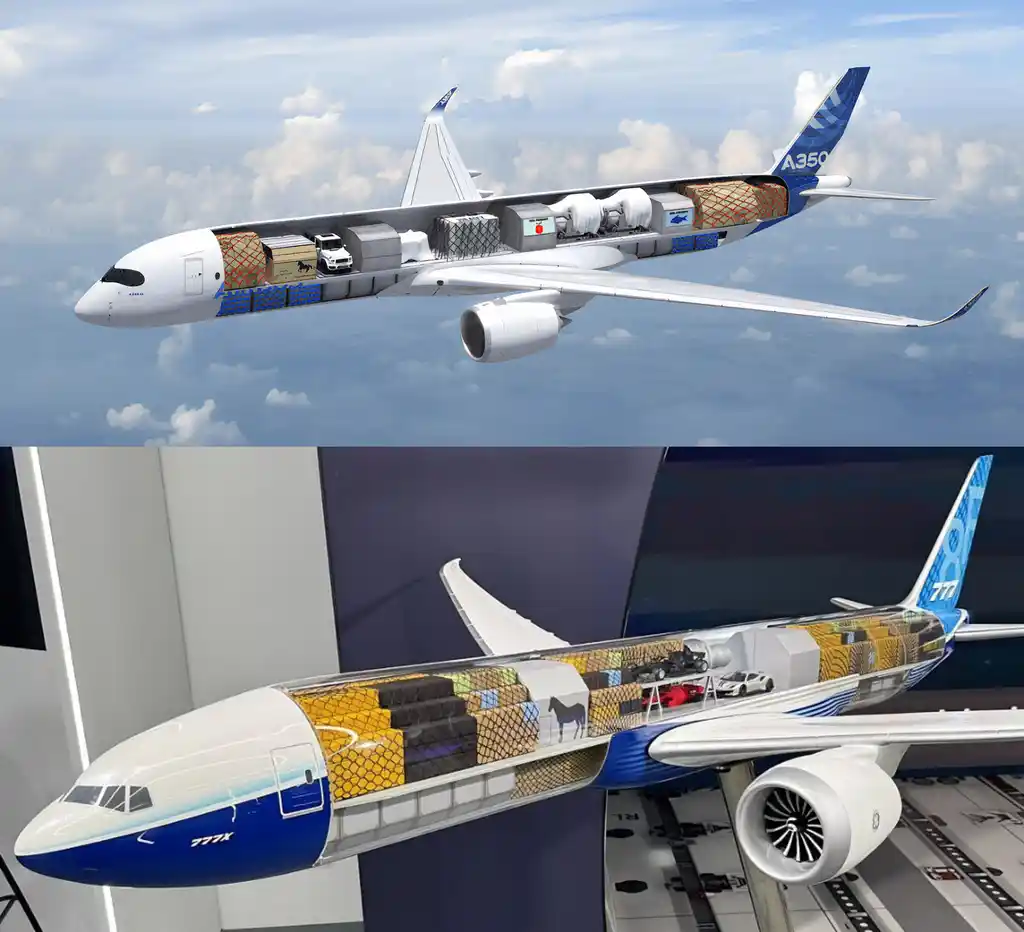
Air China Cargo’s decision to fully commit to 10 Airbus A350Fs demonstrates that Airbus is gaining meaningful traction in that contest. As global freight operators prepare for a new generation of cargo aviation, the Chinese carrier’s investment could become one of the most influential endorsements yet for Airbus’ long-term freighter ambitions.