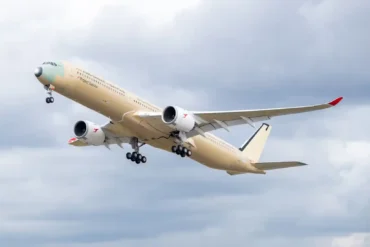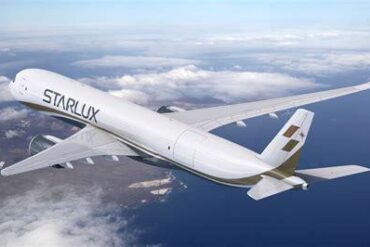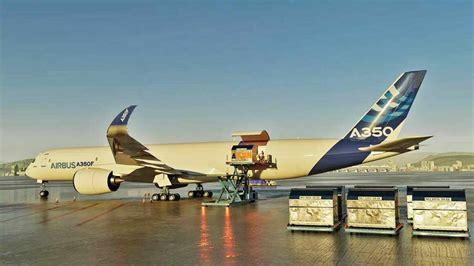
The development of the Airbus A350F, the aviation giant’s next-generation widebody cargo aircraft, has crossed a major manufacturing milestone. Airbus has successfully completed production of the first horizontal stabilizer for the A350F—a key structural component crucial for stability and control in flight. This milestone underlines Airbus’s continued commitment to innovation, sustainability, and multinational industrial cooperation across Europe.
Strategic Manufacturing Success in Spain
The horizontal stabilizer, an essential tail assembly element responsible for pitch control, was produced at Airbus’s facility in Cádiz, located in the southwest of Spain near Seville. This achievement reflects not only technical precision but also Spain’s growing significance in the global aerospace manufacturing supply chain. Airbus emphasized that this milestone “demonstrates Spain’s key role in the production of commercial aircraft, including the A350F program.”
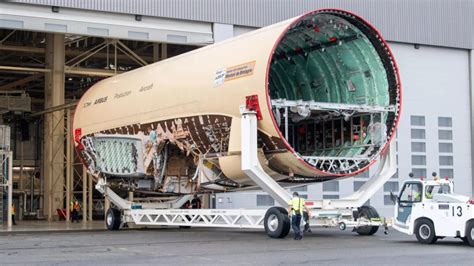
Spain’s aerospace contribution to the A350F doesn’t end here. Several critical structures—including the rear fuselage section 19, lower wing covers, and the main deck cargo door—are also manufactured within the country. This extensive participation solidifies Spain’s footprint in Airbus’s wider industrial strategy, contributing to the efficiency and specialization of different Airbus sites across Europe.
Ricardo Rojas, President of Airbus Commercial Aircraft (Spain), remarked, “The A350F will offer a clean-sheet, specifically designed solution for air freight transport, bringing more efficiency and versatility to the cargo market. With more than 1,400 orders for the A350, including 66 A350Fs, Spain plays a key role in this program that presents the future in air cargo transportation.”
Next Step: Transport to Toulouse for Final Assembly
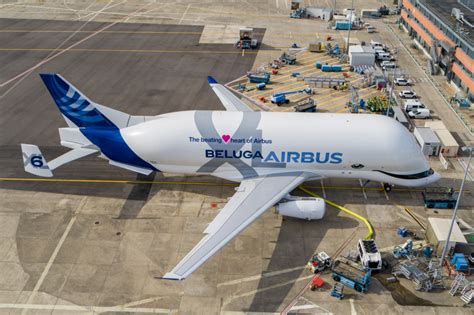
Once manufactured, the stabilizer is set to be shipped to Toulouse, France, home of the Airbus Final Assembly Line (FAL). Known for its decentralized production strategy, Airbus fabricates components across multiple nations before assembling them at centralized hubs. This logistical approach is supported by Airbus’s fleet of specialized outsize cargo aircraft, such as the Beluga and BelugaXL, designed precisely for transporting large components like fuselage sections and wing assemblies.
In Toulouse, the stabilizer will be integrated into the fuselage of the first A350F test aircraft, marking the beginning of a rigorous pre-certification flight testing phase. This prototype, together with a second pre-production aircraft, will undergo extensive evaluations starting in 2026, with entry into service targeted for 2027. This testing campaign is essential to validate the performance, handling, and structural integrity of Airbus’s new freighter.
A Competitive Response to Growing Market Demand
The air freight sector has undergone a major transformation in recent years, with increased demand for fuel-efficient, high-capacity, long-range cargo aircraft. In response, Airbus launched the A350F, leveraging the proven A350 passenger aircraft platform but tailoring it for cargo operations.
The Airbus A350F features:
- Length: 232 ft 3 in (70.8 m)
- Wingspan: 212 ft 5 in (64.7 m)
- Height: 56 ft 0 in (17.1 m)
- Payload Capacity: 111 tonnes
- Range: 8,700 km (4,698 nautical miles)
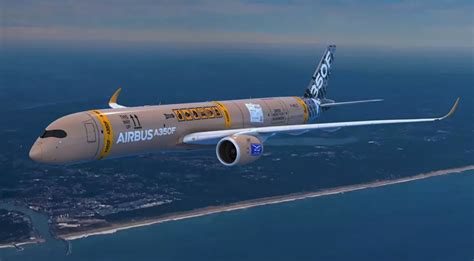
These specs enable the A350F to support long-haul, high-volume freight missions with better fuel efficiency, payload flexibility, and lower carbon emissions than older models like the Boeing 747-400F or MD-11F. Airbus states the A350F’s fuel consumption and CO₂ emissions will be at least 20% lower than today’s main freighters, addressing critical sustainability goals within the logistics sector.
Growing Order Book and Launch Customers
Since its official program launch, Airbus has secured 66 firm orders for the A350F from prominent cargo and passenger airlines transitioning into freight operations. The launch customer, Singapore Airlines, was among the first to recognize the aircraft’s potential to modernize and decarbonize its freighter fleet.
Other customers include Air France-KLM, Etihad Cargo, and Silk Way West Airlines, each aligning their strategic fleet renewals with aircraft that combine operational reliability, regulatory compliance, and future-proof sustainability metrics.
Stiff Competition from Boeing 777-8F
Despite the A350F’s advantages, it faces significant competition from Boeing’s 777-8F, another clean-sheet widebody freighter now under development. Boeing recently celebrated a similar program milestone by drilling the first hole in the wing spar of its prototype aircraft.
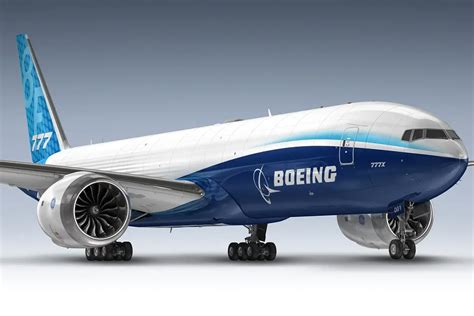
As of this writing, the Boeing 777-8F holds 59 confirmed orders, slightly trailing the A350F. With both manufacturers pushing development timelines forward, the air cargo sector is witnessing a revitalized rivalry between the world’s largest aircraft makers. These new freighters will gradually replace older platforms and shape the future of intercontinental cargo operations.
Efficiency, Design, and Environmental Stewardship
The A350F benefits from its composite-rich construction, derived from its passenger variant. Over 70% of the A350F’s airframe is made from advanced materials—carbon-fiber reinforced polymers (CFRP), titanium, and aluminum-lithium—significantly reducing structural weight and maintenance needs.
Airbus also optimized the main deck cargo door and fuselage cross-section to accommodate industry-standard pallets and containers, allowing seamless integration with global freight hubs. These design elements not only improve loading efficiency, but also reduce ground turnaround times, contributing to better aircraft utilization.
The A350F is also fully ICAO Chapter 14 noise compliant, giving it access to noise-sensitive airports without restriction—critical for express cargo carriers and nighttime logistics operations.
Milestone Reflects Broader Trends in Cargo Aviation
The production of the first horizontal stabilizer for the A350F is more than just a manufacturing benchmark. It marks the tangible advancement of an aircraft built for an era defined by resilience, digital integration, and carbon accountability. With e-commerce surging, supply chains diversifying, and fleet renewals accelerating, the global cargo market demands aircraft that can meet both commercial and environmental expectations.
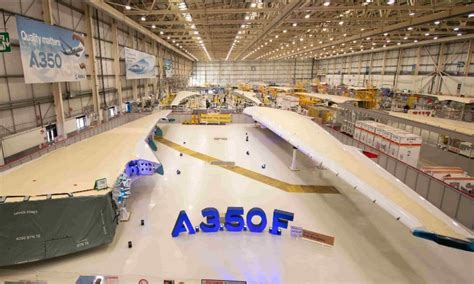
This milestone places Airbus firmly on track to deliver a highly anticipated cargo solution by the latter half of the decade. As both the A350F and 777-8F edge closer to first flight, global cargo operators are closely monitoring which aircraft will best serve their 21st-century logistics ambitions.
Looking Ahead: First Flight and Certification Timeline
With stabilizer production now complete, the countdown to final assembly, first flight, and eventual type certification begins. Once assembled and integrated in Toulouse, Airbus plans to start flight tests in 2026, subjecting the aircraft to both operational and regulatory scrutiny under EASA and FAA jurisdictions.
The program’s timeline outlines the following major steps:
- 2025: Full structural integration of the prototype aircraft
- 2026: Launch of flight test campaign
- 2027: Certification and entry into service
Should the A350F meet or exceed its targets, Airbus is positioned to redefine what modern cargo transport looks like—blending performance, efficiency, and global production harmony into a single aircraft platform.
As the industry moves toward decarbonization and digital logistics, the A350F will stand as a flagship of the future, echoing the design evolution Airbus pioneered in the commercial aviation sector.