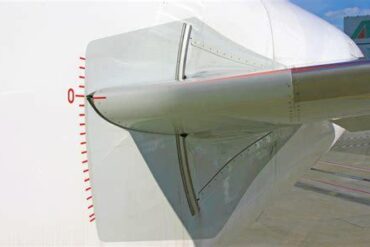
On January 9, 2026, the Federal Aviation Administration (FAA) issued a proposed airworthiness directive (AD) requiring critical inspections of the horizontal stabilizer pivot hinges and jackscrew assemblies on Boeing 737 Next Generation (NG) aircraft. This urgent action was triggered by escalating reports of pitch control instability tied to excessive horizontal stabilizer freeplay, a condition that could compromise aircraft safety if left unaddressed.
The FAA’s proposal follows a June 2025 technical bulletin from Boeing, which alerted airline operators about abnormal pitch oscillations traced to deteriorating stabilizer components. While no major incident has yet occurred, the FAA is acting preemptively to mitigate the risk of a potential flutter event—an aerodynamic phenomenon that can lead to structural failure through violent vibrations.
FAA Airworthiness Directive: Scope and Technical Requirements
The proposed directive applies to the following aircraft models within the 737 NG family:
- 737-600
- 737-700 / 700C
- 737-800
- 737-900 / 900ER
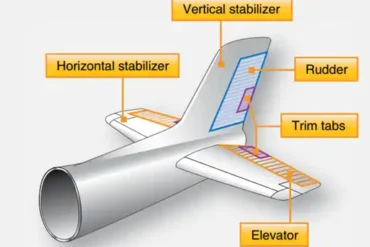
Operators will be required to measure freeplay on both left and right pivot hinges of the horizontal stabilizer and the jackscrew mechanism. Any components showing wear beyond prescribed tolerances must undergo on-condition corrective actions, which could include part replacement or re-torqueing.
Currently, no formal inspection interval exists for these components. This proposal aims to close that gap based on mounting field evidence. As stated in the FAA’s directive:
“This proposed AD was prompted by reports from multiple operators of pitch oscillation events due to excessive horizontal stabilizer freeplay… the unsafe condition may exist or develop on other products of similar design.”
Hidden Risk: The Threat of Pitch Oscillation and Flutter Events
At the heart of the issue is freeplay—a term referring to looseness or slack in mechanical joints. In horizontal stabilizers, such slack can disrupt the aircraft’s pitch control, creating a dangerous oscillation pattern during flight.
If allowed to persist, this oscillation could trigger aeroelastic flutter, a condition where aerodynamic forces amplify structural movements in a feedback loop. In worst-case scenarios, flutter has historically led to catastrophic failure, posing a grave risk to flight safety.
Global Fleet at Risk: Thousands of Aircraft Potentially Affected
Although the FAA’s directive currently covers nearly 2,000 U.S.-registered aircraft, its implications are far-reaching. According to ch-aviation, over 5,165 active 737 NG aircraft are operated globally by 206 international carriers.
Major U.S. operators with potentially affected aircraft include:
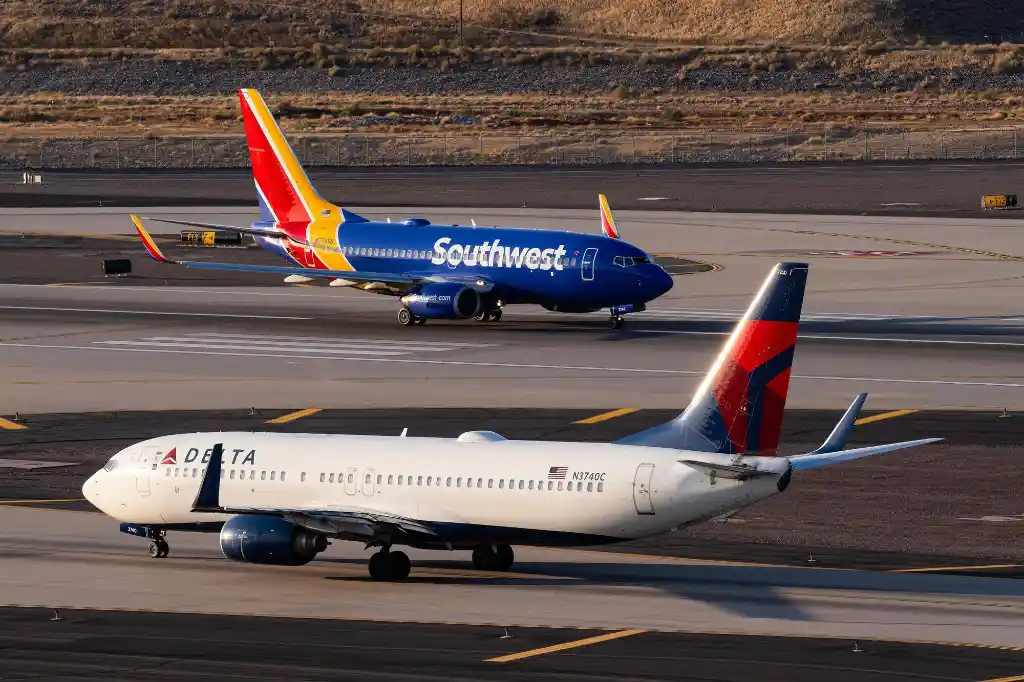
- Southwest Airlines: 400 (737-700), 207 (737-800)
- American Airlines: 303 (737-800)
- United Airlines: 40 (737-700), 141 (737-800), 148 (737-900)
- Delta Air Lines: 77 (737-800), 163 (737-900)
Military and cargo operators such as the U.S. Air Force, U.S. Navy, FedEx Express, and Northern Air Cargo also have aircraft within scope. The FAA directive does not name any specific incident as the trigger, but consolidates data across multiple operator reports.
Compliance Costs and Timeline
The FAA estimates that the inspections will require approximately six labor hours per aircraft, with a projected cost of $510 per airplane (based on $85/hour labor rate). For the U.S. fleet alone, this equates to an aggregate industry cost of over $1 million.
The FAA has opened a public comment window through February 23, 2026, during which Boeing and other stakeholders are expected to provide technical feedback. Once finalized, the directive would mandate compliance across all affected models.
Industry Response and Forward Outlook
Boeing has expressed support for voluntary inspections through its 2025 bulletin, and the FAA’s proposed rule is largely an extension of that effort. Nevertheless, the official status of the directive signals a more aggressive enforcement stance from regulators as scrutiny around aircraft safety intensifies post-pandemic.
Global regulators such as the European Union Aviation Safety Agency (EASA) and Transport Canada are anticipated to issue parallel directives, reflecting the wide footprint of the 737 NG fleet.
As the industry continues to emphasize airworthiness and preventive maintenance, this directive could set a precedent for more proactive oversight of aging components across various aircraft families.
For now, airline maintenance teams are bracing for inspections, regulators are collecting feedback, and safety advocates are applauding the FAA’s forward-looking approach to ensuring the continued reliability of one of the world’s most widely flown aircraft families.