When it comes to maintaining the longevity and performance of small engines, selecting the best fuel stabilizer is crucial. Fuel degradation is a silent destroyer of carburetors, injectors, and fuel lines, particularly in 2-cycle and 4-cycle engines common in lawnmowers, chainsaws, and generators. In this article, we dive deeply into the best fuel stabilizer for small engines, leveraging real-world experiences and technical analysis.
Why Fuel Stabilizers Are Essential for Small Engines
Small engines are highly susceptible to the chemical breakdown of gasoline, especially when the fuel contains ethanol. Ethanol tends to attract moisture from the air, leading to phase separation, corrosion, and varnish formation inside the engine’s fuel system. Without a high-quality fuel stabilizer, the consequences often include clogged carburetor jets, deteriorated fuel lines, and expensive repairs. Stabilizers mitigate these risks by maintaining fuel freshness, reducing oxidation, and preventing moisture buildup.
The Top Recommended Fuel Stabilizers for Small Engines
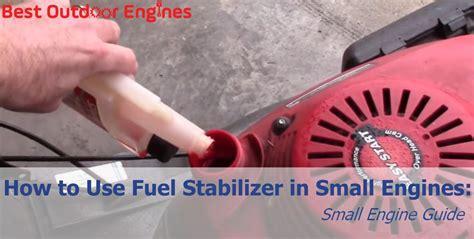
Sta-Bil Storage Fuel Stabilizer has been consistently praised across forums and user reviews. Designed to keep fuel fresh for up to 24 months, it is specifically tailored for seasonal storage needs. Its ability to prevent gum and varnish formation makes it a go-to choice for users preparing equipment for the off-season. When treating fuel, it’s best practice to add Sta-Bil directly to the gas can before refueling, ensuring even distribution throughout the fuel.
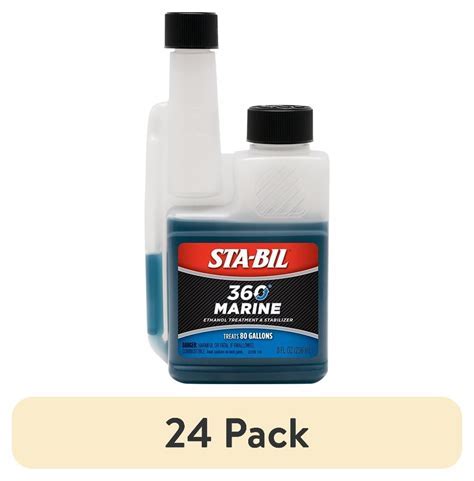
Sta-Bil Marine Formula goes a step further by offering superior corrosion protection in humid environments. It is particularly recommended for high-moisture settings and has proven to outperform standard formulas according to long-term users.
Seafoam Motor Treatment emerges as another popular choice, lauded for its multifunctionality. Besides stabilizing fuel, Seafoam acts as a fuel system cleaner, helping remove carbon deposits and other residues. Users of small 2-cycle engines like weed trimmers and chainsaws often prefer Seafoam for its cleaner-burning characteristics.
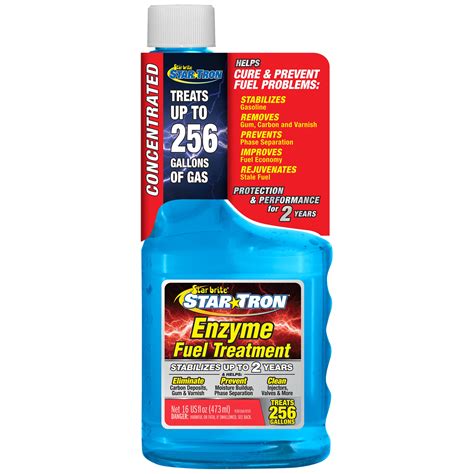
Star Tron Enzyme Fuel Treatment is celebrated for its unique enzyme technology that enhances fuel combustibility and extends engine life. It not only stabilizes fuel but also rejuvenates older, stale gasoline, making it highly versatile for varied storage conditions.
Best Practices for Using Fuel Stabilizers in Small Engines
To achieve the best results, it is important to follow specific best practices:
- Always mix the stabilizer thoroughly: Add the stabilizer to the gas can before filling it with fresh fuel.
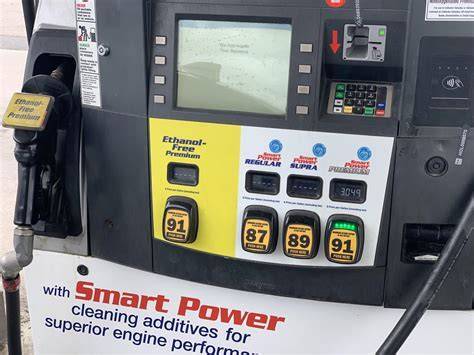
- Use non-ethanol fuel whenever possible: Ethanol-free gasoline combined with a stabilizer offers superior protection.
- Treat fuel immediately upon purchase: Do not wait until storage time; stabilize from the start to prevent early-stage degradation.
- Run the engine briefly after adding treated fuel: This action pulls stabilized fuel into the carburetor and fuel system components.
Challenges with Ethanol-Blended Fuels
Despite advances in fuel stabilizer technology, ethanol-blended fuels remain problematic for small engines. Ethanol is hygroscopic, meaning it readily absorbs moisture, leading to phase separation where water settles at the bottom of the tank. This water layer promotes rust inside the fuel system and can cause misfiring or complete engine failure.
Many seasoned users advocate strictly for ethanol-free gasoline when possible, highlighting significant improvements in engine longevity and performance. In areas where non-ethanol fuel is scarce, combining high-quality stabilizers with top-tier fuels remains the most effective strategy.
Personal Experiences from Small Engine Enthusiasts
Drawing insights from dedicated volunteers and hobbyists, such as lawn care enthusiasts and city volunteers, we see a clear pattern: consistent fuel treatment correlates with fewer carburetor rebuilds and easier starts after long storage periods. Many users credit their engines’ reliability to a religious routine of using Sta-Bil Storage or Marine formulas in every fuel fill-up.
One user recounted reviving a chipper after 8 months of dormancy, starting it on the second pull with old fuel treated only with Sta-Bil Storage. Another noted over a decade of flawless service from mowers and blowers by adhering to a strict routine of using treated non-ethanol fuel.
Interestingly, some users even suggested unconventional methods, such as adding a capful of transmission fluid for added lubrication and protection — though this method remains controversial and not widely recommended by manufacturers.
Debates and Differing Opinions
Not everyone agrees on the necessity of fuel stabilizers. A minority argue that good maintenance practices alone — like draining the fuel system or consistently using fresh fuel — can eliminate the need for additives. Critics often label fuel stabilizers as upsell products, citing mixed personal experiences.
However, empirical evidence and independent testing often contradict these views. Modern stabilizers are designed to work with today’s chemically enhanced fuels, counteracting issues that were less common in pre-ethanol days.
How to Choose the Right Fuel Stabilizer for Your Needs
Selecting the best stabilizer depends on several factors:
- Type of equipment: 2-cycle engines like string trimmers benefit from stabilizers that also act as cleaners, such as Seafoam.
- Storage duration: For long-term storage exceeding 6 months, Sta-Bil Storage or Marine versions offer excellent protection.
- Environmental conditions: In humid climates or near coastal regions, corrosion-resistant formulas like Sta-Bil Marine are preferred.
- Fuel availability: If ethanol-free gas is accessible, simple stabilizers suffice; if not, opt for treatments with ethanol protection.
Conclusion: The Best Fuel Stabilizer for Small Engines
After thorough analysis and considering extensive real-world experiences, Sta-Bil Storage Fuel Stabilizer stands out as the most reliable option for general use across all types of small engines. For those in coastal or humid environments, Sta-Bil Marine Formula offers superior protection against corrosion. If multifunctionality and internal cleaning are priorities, Seafoam Motor Treatment presents a strong alternative. For a cutting-edge enzymatic solution, Star Tron Enzyme Fuel Treatment remains a formidable contender.
Ultimately, the best approach to protecting small engines combines the right stabilizer with non-ethanol fuel, proper storage practices, and regular maintenance. Consistently applying these principles ensures years of hassle-free engine operation, smoother starts, and optimal performance through every season.