When it comes to maintaining a warm aircraft cabin during frigid temperatures, selecting the right small space heater becomes critical not just for comfort but also for protecting sensitive instruments. As winter temperatures drop below 30°F, it is essential to ensure that your aircraft’s cockpit remains sufficiently heated before startup, especially when parked on a remote ramp overnight.
Choosing an effective small space heater requires careful consideration of safety features, portability, heat output, and compatibility with available power sources. Based on pilot experiences and professional advice, we offer a detailed recommendation guide for selecting the best small space heaters for cabin use.

Key Considerations When Choosing a Cabin Space Heater
When assessing a small heater for aviation use, we must prioritize several critical factors:
- Safety Features: Tip-over protection, overheat shutoff, and sturdy base design are non-negotiable.
- Portability: The heater should be lightweight and compact enough to fit easily in the cockpit or baggage area.
- Heating Efficiency: Look for models with sufficient wattage (typically 900-1500 watts) to warm the cabin effectively without overloading circuits.
- Power Source Compatibility: Ensure easy operation with available electricity at the field or portable generator setups.
These aspects form the backbone of making an informed and safe choice.
Top Small Space Heater Choices for Cabin Use
Based on extensive feedback from experienced pilots, we recommend the following options:
Lowes Electric Space Heater with Fan
Many pilots, such as ‘fredfenster’ (PPL IR – KMTW), swear by a simple electric heater with a fan from Lowes. Costing about $30, this heater proves to be efficient for quick warmups during preflight checks, typically heating the cabin within 10–15 minutes.
Its major benefits include:
- Affordability: Excellent price-to-performance ratio.
- Fan Assistance: Enhanced air circulation leading to faster warming.
- Safety Shutoff: Many models come with tip-over shutoff mechanisms, enhancing operational safety.
“Little Buddy” 900 Watt Electric Forced Air Heater
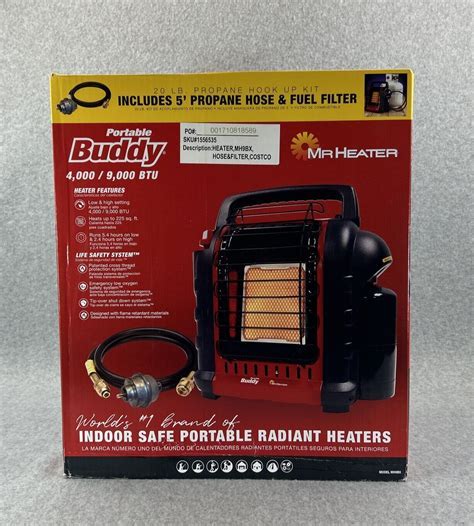
Pilot ‘stuckinanigloo’ (PPL TW HP – PALH) recommends the rugged “Little Buddy” heater, emphasizing the importance of choosing the metal-bodied version for durability and safety. This unit delivers forced air heat effectively and fits well inside the lower cowling, doubling up for engine compartment preheating as needed.
Key attributes include:
- Compact Design: Fits into tight cabin spaces.
- Forced Air System: Superior for targeted warming.
- Durable Construction: Metal casing provides longer lifespan and better heat resistance.
Aerotherm Cabin Heater
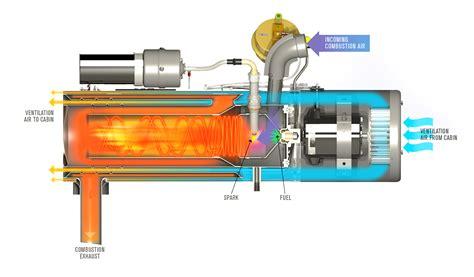
For those seeking specialized aviation-grade solutions, the Aerotherm heater offers a powerful albeit pricey option. Although primarily designed for engine preheating, many pilots redirect the heater into the cabin before startup.
Advantages:
- High Power Output: Excellent for simultaneous cabin and instrument warming.
- Built-In Aviation Features: Tailored for cold-weather aviation use.
However, the drawbacks include significant bulkiness and a higher price point often referred to as the “aviation markup.”
Supplementary Tips for Effective Cabin Heating
Beyond selecting the right heater, pilots frequently employ additional techniques to maximize efficiency and safety:
Use of Engine and Cowling Covers
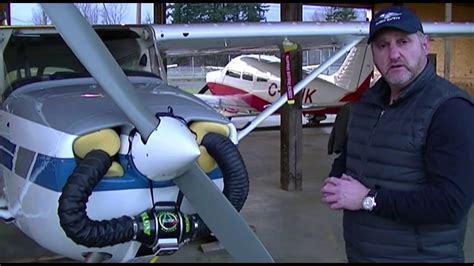
Insulation is just as crucial as heat generation. Full cowling covers and propeller covers help retain heat overnight, significantly reducing the heater’s workload and preventing rapid thermal loss.
Unplugging Preheaters Before Startup
As ‘stuckinanigloo’ outlines, unplugging all heating equipment at least 30 minutes before engine start is crucial. This allows temperatures to equalize, preventing hot spots and potential damage to the engine or instruments.
Using Remote Switches for Convenience
Modern solutions such as SMS-enabled remote switches allow pilots to activate heaters remotely, ensuring a warm cabin upon arrival without the need to leave heaters running unattended for extended periods.
These devices must be rated for high amperage to safely support heater operation.
Safety Considerations: Avoid Combustion-Type Heaters
A point of serious emphasis among pilots is the danger of using combustion heaters (such as torpedo or propane heaters) inside aircraft cabins. Despite their rapid heating abilities, combustion heaters produce significant amounts of carbon monoxide (CO) and carbon dioxide (CO₂) — both hazardous in enclosed spaces.
‘voretaq7’ (PPL ASEL IR-ST) strongly advises against this practice, stressing that cabin spaces, even if leaky, cannot adequately dilute harmful gases to safe levels quickly enough. Relying on electric heaters remains the safest and most reliable method for cabin heating.

Infrared Heaters: An Emerging Alternative
Some pilots also explore infrared space heaters as a targeted solution. Infrared models emit radiant heat, warming objects (like flight instruments) directly rather than just the surrounding air. This method may offer more effective warming for sensitive avionics that benefit from gradual, stable heat absorption.
However, it is essential to select models with wide, stable bases and integrated tip-over shutoff mechanisms to minimize operational risks.
Final Recommendations for Small Cabin Heaters
Given all findings, the optimal approach combines:
- A compact, fan-assisted electric heater such as the “Little Buddy” or Lowes unit.
- Supplementary engine and prop covers to conserve heat.
- Strategic use of remote switches for safer and more efficient heater activation.
Ultimately, prioritizing electric forced air heaters ensures reliable warmth without the risks associated with combustion heaters. While aviation-specific solutions like Aerotherm exist, for most operators requiring simple, portable solutions, high-quality retail electric heaters with necessary safety features suffice.
In aviation, the mantra “better safe than sorry” holds even when choosing something as seemingly mundane as a space heater. By investing in the right heater and applying best practices, we protect not only our equipment but also our safety and operational readiness, ensuring every flight begins on a warm, secure note.