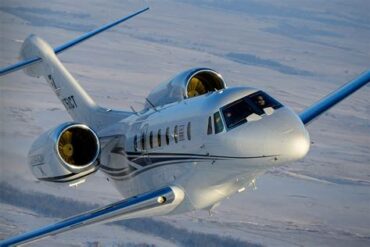
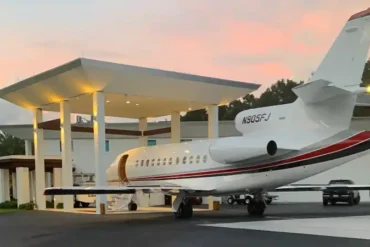
When it comes to modern private aviation, Very Light Jets (VLJs) and Light Jets dominate the entry-level market. Designed for efficiency, flexibility, and cost savings, these compact aircraft typically seat 4 to 8 passengers, making them the optimal solution for business professionals, entrepreneurs, and individuals seeking private travel without the overhead of large jet ownership.
Unlike super mid-size or heavy jets, small private jets are engineered for agility and economy. They require less fuel, have lower insurance premiums, and can be flown by a single pilot, minimizing crew expenses. Their most compelling advantage, however, lies in their runway access. While larger jets demand lengthy runways exceeding 5,000 feet, VLJs like the HondaJet Elite II can safely take off in under 3,700 feet — opening access to thousands more regional and private airports worldwide.
Why Choose a Small Private Jet?
The allure of small private jets isn’t simply about size. It’s about strategic efficiency:
- Cost Efficiency: Up to 250% more efficient in terms of fuel, insurance, and hangar costs compared to super mids.
- Time Optimization: Skip TSA lines, avoid hub airports, and conduct multiple city stops in a single day.
- Comfort and Personalization: Expect quiet cabins, club seating layouts, and executive amenities tailored for short-range luxury.
These jets are engineered for nonstop city-hopping, regional business travel, and weekend leisure escapes. For executives who prefer self-piloting or families seeking seamless point-to-point access, this segment delivers a precise balance of autonomy, privacy, and convenience.
The Top Contenders: Best Small Private Jets in 2025
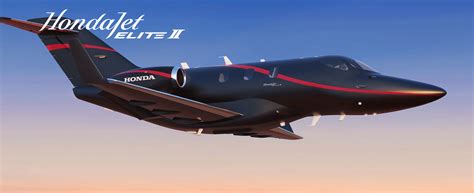
HondaJet Elite II: The Tech-Forward Powerhouse
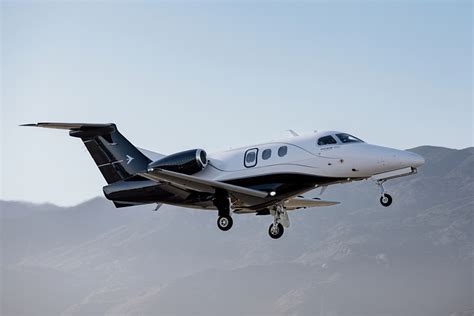
With a max range of 1,547 nautical miles and a top speed of 422 knots, the HondaJet Elite II defines the upper tier of the VLJ category. Its unique over-the-wing engine mount not only reduces cabin noise but also improves aerodynamics, contributing to better fuel economy and smoother flight.
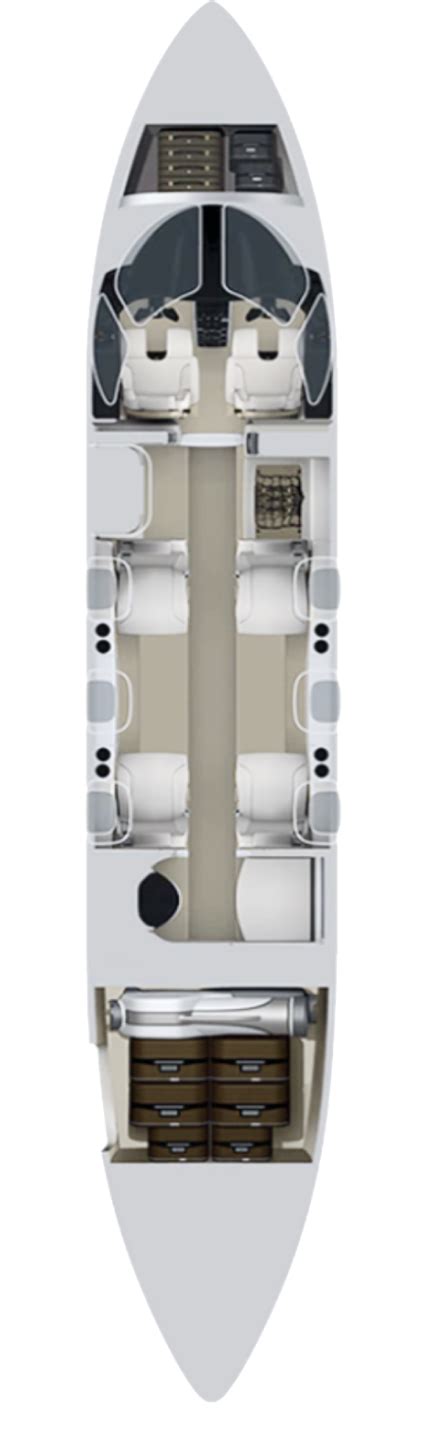
The cabin features a fully enclosed lavatory, a Bongiovi aviation sound system, and optional Wi-Fi and galley configurations. With seating for up to 5 passengers and 2 crew, the HondaJet remains a favorite among corporate flyers and tech entrepreneurs.
Eclipse 500: Minimalist Jet with Maximum Utility
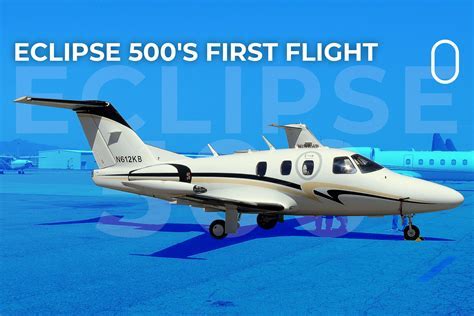
The Eclipse 500 delivers on raw functionality. A compact VLJ with a range of 1,125 nm and cruise speed of 370 knots, it caters to owner-operators and on-demand charter clients alike.
Its interior features pressure control, leather seats, power outlets, and an optional entertainment system. The electric lavatory adds convenience without compromising cabin space. The Eclipse is especially attractive for short-haul routes where speed, cost, and simplicity are paramount.
Cessna Citation M2 Gen 2: Versatility Meets Business Class
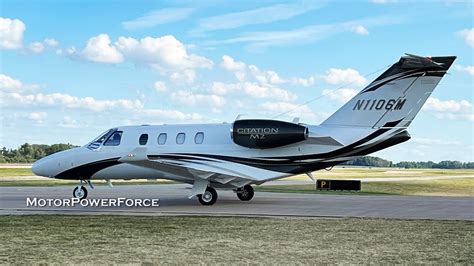
Cessna’s Citation M2 Gen 2 brings enhanced baggage capacity (45.6 cubic feet) and a seating capacity of up to 7 passengers — rare for a jet of this size. With a range of 1,550 nm and cruise speed of 404 knots, this aircraft supports longer hops and larger groups.
The Gen 2’s cabin boasts wireless charging, advanced automation, and in-flight baggage access, making it a go-to for executives requiring both comfort and workflow continuity in the air.
Embraer Phenom 100: Jet-Class Comfort in a Compact Frame
The Phenom 100 is a statement of style and engineering. With a range of 1,178 nm and top speed of 400 knots, it offers a smooth, fast ride tailored for short to mid-range missions.
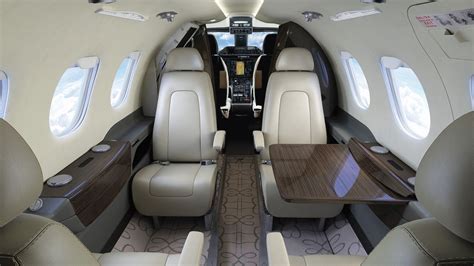
Its interior accommodates club seating, fully enclosed lavatory, climate zones, and a mini galley or closet. With seating for up to 5 passengers and 1 crew, it’s an executive’s favorite for both leisure and business travel.
Interior Standards: Luxury in a Small Package
Don’t let the size fool you. These jets integrate high-end amenities rivaling larger aircraft:
- Leather club seating and ergonomic interiors
- Cabin noise suppression technologies
- High-speed internet and Wi-Fi options
- Enclosed lavatories and compact galleys for refreshment
Manufacturers optimize cabin design around 4–5 passengers, making the experience intimate and personalized.
Maintenance and Operational Efficiency
Operating a small jet is far more economical than managing a larger aircraft. VLJs boast:
- Lower annual maintenance fees
- Reduced hangar costs due to compact dimensions
- Superior fuel efficiency
- Simplified insurance policies
Additionally, many jets in this class qualify for single-pilot operations, eliminating the need for dual-crew payrolls — a significant cost consideration.
Comparison: Small Jets vs Larger Jets
| Feature | Small Private Jets | Larger Private Jets |
|---|---|---|
| Range | Up to 2,000 nm | 3,000–5,000 nm |
| Passenger Capacity | 4–8 | 8–10+ |
| Runway Access | Short (as low as 3,700 ft) | Long (5,000+ ft) |
| Management Cost | Lower | Higher |
| Cabin Size | Compact | Spacious |
| Resale Value | Faster depreciation | Stronger hold |
While larger jets offer transcontinental range and more expansive layouts, small jets excel in agility, short-haul operations, and lower ownership or charter costs.
When Should You Choose a Small Jet?
A small private jet is ideal if:
- Your typical missions fall under 1,500 nautical miles
- You travel with 4–6 passengers
- You want access to regional or executive airports
- You prefer speed, flexibility, and direct control
They are the optimal solution for weekend getaways, client meetings, and time-sensitive business travel, particularly when time saved on the ground equates to higher productivity.
Chartering vs Owning a Small Private Jet
Ownership
Owning a VLJ comes with:
- Upfront investment of $3M–$6M
- Operational control and flexible scheduling
- Equity retention and potential tax depreciation benefits
- Hourly costs of $3,600–$4,100 (fuel, maintenance, crew)
Ideal for frequent flyers or corporations with specific route demands.
Chartering
For occasional flyers, chartering offers:
- Zero acquisition costs
- Pay-per-trip model (~$7,000+/hr)
- No depreciation risk or maintenance obligations
- Limited customization and schedule flexibility
Best suited for infrequent users or those testing the waters before committing to ownership.
Conclusion: The Best Jet for Smart, Swift Luxury
The best small private jet isn’t just about prestige — it’s about matching mission profile with engineering precision. For regional business trips, leisure getaways, or personal freedom, small jets like the HondaJet Elite II, Phenom 100, and Citation M2 Gen 2 strike the perfect balance between performance, comfort, and affordability.
They empower owners and charter clients alike to travel faster, smarter, and with greater independence — transforming private aviation into a practical, everyday luxury.
Frequently Asked Questions
What is the range of the best small private jets?
Top-tier VLJs like the HondaJet Elite II and Cessna Citation M2 Gen 2 offer ranges between 1,500 and 1,550 nautical miles, ideal for coast-to-coast hops or international border crossings within regions like the EU or Middle East.
Can small private jets land at more airports than larger jets?
Yes. Small private jets often need shorter runways (under 4,000 ft), allowing them access to thousands more regional and executive airports globally, enhancing convenience and route customization.
Is it better to charter or buy a small jet?
That depends on usage. Frequent flyers (150–200 hours/year or more) benefit from ownership, while occasional travelers may find chartering more cost-effective due to the lack of maintenance, crew, and insurance responsibilities.