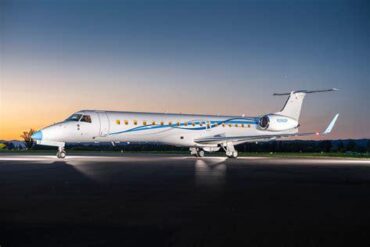
Understanding Fractional Ownership in Private Aviation
Fractional ownership in the private jet industry allows individuals or businesses to purchase a share of an aircraft rather than owning one outright. This innovative model reduces the financial and logistical burdens of full ownership while granting access to private jet travel on-demand. Companies managing these fleets handle maintenance, crew, insurance, and scheduling — offering an experience akin to full ownership with far less complexity.
At the heart of this model lies a shared-economy philosophy, wherein multiple owners divide usage rights, typically in fractions such as 1/16, 1/8, or 1/4 shares, correlating to flight hours per year. These arrangements are governed by long-term contracts and provide flexible access within a managed fleet.
The Dominance of NetJets: Market Leader by a Wide Margin
NetJets, Inc., a unit of Berkshire Hathaway, maintains an unassailable lead in the fractional ownership market. In 2022, NetJets logged 598,477 flight hours, marking a 9.6% increase over the prior year. This staggering figure surpasses the combined flight hours of its five closest competitors — a testament to its scale and operational dominance.
The company’s success is partly rooted in its multi-brand structure, which includes Executive Jet Management and relevant NetJets Europe operations. By integrating flight operations under one umbrella, NetJets offers a seamless global experience supported by a vast and versatile fleet.
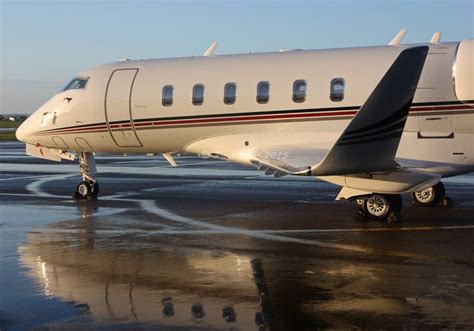
Flexjet: A Precision Rival in a Rapidly Evolving Market
Flexjet, under Directional Aviation, remains a firm second in the pecking order. With 183,548 flight hours in 2022 — a modest 3.1% gain — Flexjet continues to build on its reputation for luxury, personalized service, and fleet sophistication. The company’s structured approach to fractional ownership, bolstered by sister operations like FXAir and Sentient Jet, reinforces Directional’s hold on the premium segment.
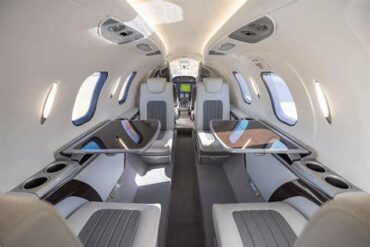
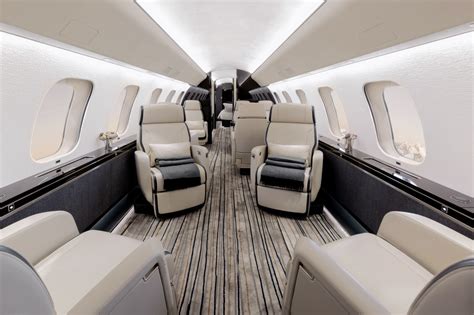
Flexjet’s strategy emphasizes exclusivity, offering clients access to modern, custom-designed cabins and premium aircraft types including the Gulfstream G650 and Embraer Praetor 500. While not matching NetJets in scale, its client-centric model is carving out a unique niche.
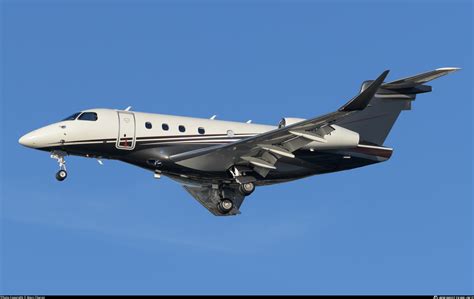
Wheels Up and Vista Global: Battling for Scale and Reach
Wheels Up Experience and Vista Global Holding occupy the third and fourth spots respectively. Wheels Up, despite integrating Alante Aviation’s light jet fleet, saw a 4.4% decline in flight hours, dropping to 167,641 in 2022. The brand’s growth-by-acquisition model is now facing scrutiny amid operational and financial headwinds.
Conversely, Vista Global — encompassing VistaJet, Jet Edge, XOJet, and Air Hamburg — posted a modest 2.1% increase to 151,192 hours. Vista’s vertically integrated platform and global AOCs provide clients with borderless charter and fractional experiences, backed by founder Thomas Flohr’s ambitious expansion plans.
Emerging Players and Fast Climbers in the Fractional Market
While giants dominate the airspace, several emerging and regional operators have posted significant year-over-year gains. FlyExclusive, with a 21.2% jump in flight hours, secured the fifth position. Its strength lies in offering on-demand fractional access with light and mid-size jets, tailored to cost-conscious, high-frequency flyers.
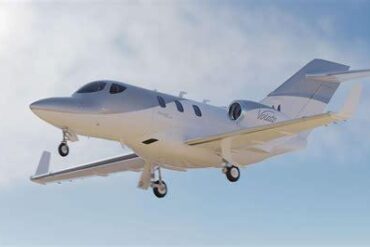
Solairus Aviation, up 25.9%, and Jet It, which recorded a 63.9% increase, exemplify the rising interest in boutique operators. Jet It’s unique “fractional-day” model using HondaJets enables owners to maximize utilization, making it an attractive alternative for short-haul U.S. and Canadian operations.

Fractional Ownership Models vs. Charter Brokers
A clear distinction must be drawn between fractional jet companies and charter brokers. While the former operates and manages its own fleet under Part 91k or Part 135 regulations, brokers aggregate demand and connect clients to available aircraft without direct operational control.
Entities like Sentient Jet, FXAir, and XO generate substantial off-fleet flight volumes. These flights, however, are not reflected in the operator flight hour statistics. For instance, Directional Aviation’s off-fleet activity may have added up to 50,000 unreported hours, suggesting its real market presence is even broader.

Market Fragmentation and the Long Tail of Private Aviation
Despite consolidation, the fractional ownership jet market remains highly fragmented. NetJets, despite its dominance, accounts for only 20.3% of charter and fractional hours and 10.9% of overall U.S. private aviation. The top 30 private operators together make up just 52.8% of Part 135/91k flight hours.
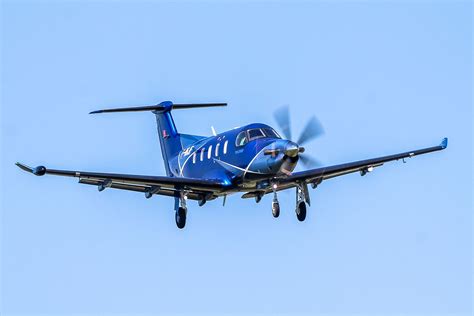
This fragmentation is both a challenge and an opportunity. It creates a dynamic ecosystem where smaller players with unique value propositions can thrive. Boutique firms like Nicholas Air, PlaneSense, and Thrive Aviation cater to niche client needs, from specialized concierge offerings to innovative fractional agreements on turboprops and VLJs.
Future Outlook: Consolidation, Innovation, and Client-Centricity
Looking ahead, the industry is poised for further M&A activity, particularly among operators with more than 10 aircraft. With over 2,000 Part 135 operators and fewer than 60 of significant fleet size, meaningful consolidation may come only if major entities combine forces.
Innovation will continue to play a vital role. Sustainable aviation fuel (SAF) adoption, AI-powered scheduling, and fleet electrification initiatives could reshape competitive dynamics. Meanwhile, client expectations for seamless digital booking, global reach, and carbon accountability are pushing companies to evolve rapidly.
Thomas Flohr’s projection to triple Vista Global’s fleet to 1,000 aircraft by 2030 epitomizes the industry’s bold ambitions. Yet, success will depend not just on scale, but on the ability to deliver personalized, consistent, and efficient aviation experiences in a competitive and evolving regulatory landscape.

FAQ: Fractional Ownership Jet Companies
What is the minimum investment required for fractional jet ownership?
The cost typically starts at around $500,000 for a 1/16 share, which usually includes 50 hours of flight time annually. Prices vary based on aircraft type, provider, and additional operational fees.
How do fractional jet companies differ from private jet charter services?
Fractional jet companies offer shared ownership in aircraft, granting guaranteed access and consistent service, whereas charter services offer on-demand flights without ownership. Fractional models often provide lower hourly rates and more control over scheduling.
Which fractional ownership companies have the largest fleets?
NetJets operates the world’s largest private fleet, followed by Flexjet, Wheels Up, and Vista Global. These operators maintain large, diverse fleets spanning light jets to ultra-long-range aircraft, ensuring coverage for various mission profiles.