Understanding Fractional Aircraft Ownership
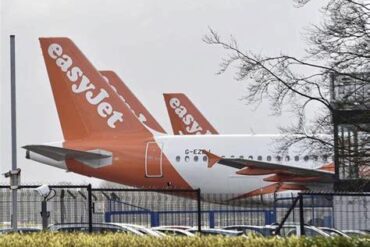
Fractional aircraft ownership is a transformative model within private aviation, allowing multiple individuals or entities to jointly own a single aircraft. This method reduces the high capital costs associated with full aircraft ownership while preserving many of the key benefits of private flight. Structured through both major providers such as NetJets, Flexjet, Cirrus Aviation Services, and AirSprint, and through independent cooperative arrangements, the system offers a unique balance of flexibility, efficiency, and cost management.
At its core, this model operates by dividing an aircraft into fractional shares — typically in increments of 1/16 or 1/32 — each equating to a specified number of annual flight hours. For example, a 1/16 share often represents 50 hours per year, while a 1/8 share would provide 100 hours. Owners are guaranteed access to the aircraft — or a comparable substitute from the managed fleet — with notice windows ranging from 4 to 48 hours depending on contract terms and share size.
Cost Structure and Financial Obligations
The financial structure of fractional aircraft ownership includes three core components:
-
Initial Share Purchase: Based on the aircraft’s market value. For example, a 1/16 share of a $12 million jet would cost $750,000.
-
Monthly Management Fee: Covers hangar, crew salaries, insurance, and maintenance. Typical rates can range from $9,000 to $15,000/month, depending on aircraft size and provider.
-
Occupied Hourly Fee: Only charged when the aircraft is occupied. This fee typically ranges from $2,500 to $6,000/hour, depending on the jet category and fuel costs.
Notably, non-occupied repositioning legs are not billed, differentiating this model from traditional charter services. Contracts often span five years, after which the owner can sell back their share to the provider or to another party, sometimes incurring a re-marketing fee.
Fleet Access and Operational Flexibility
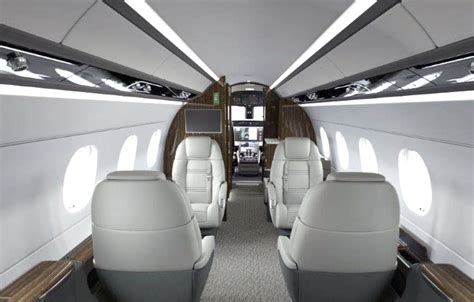
Owners in a fractional program enjoy fleet flexibility, which is a cornerstone advantage. Rather than being tied to a single tail number, owners can request similar aircraft from the provider’s fleet. If a mission calls for a larger cabin, longer range, or different seating configuration, the operator can often provide a comparable or upgraded aircraft, sometimes for an additional fee.
Advanced fleet logistics ensure that owners can schedule flights with short notice — often 6 to 12 hours for larger shares, or up to 48 hours for smaller fractions. Operators maintain an additional 26% buffer in capacity across the fleet to deliver a 98% availability rate, even during peak periods.
Key Benefits of Fractional Ownership
Fractional ownership bridges the gap between full ownership and on-demand charter. Its primary advantages include:
-
Guaranteed Aircraft Access: High share owners get priority scheduling.
-
Efficiency and Time Savings: Depart from private terminals, skip security lines, and land at smaller airports.
-
Increased Productivity: Private cabins serve as airborne offices.
-
Enhanced Security: Minimized public exposure and complete control over passengers.
-
Fleet Variety: Aircraft available from light jets to ultra-long-range models.
This structure is especially attractive to corporate executives, sports teams, and ultra-high-net-worth individuals whose schedules demand punctuality and privacy, but not full-time aircraft usage.
Challenges and Considerations
Despite the numerous advantages, fractional aircraft ownership carries its own set of complexities. The pricing structure — although predictable — can be difficult to compare directly across providers due to varied surcharges, fuel adjustments, taxi-time charges, and other hidden costs. Additionally, owners may face:
-
Peak Period Restrictions: Some dates carry blackout limitations or require longer notice.
-
Residual Value Risk: Aircraft shares depreciate, and resale prices vary.
-
Mismatch of Aircraft to Mission: The available fleet aircraft may not always align with an owner’s trip profile.
Furthermore, economic volatility and shifts in travel demand can influence resale values and provider solvency, as seen during the 2008 financial crisis, which forced some fractional programs to restructure or exit the market.
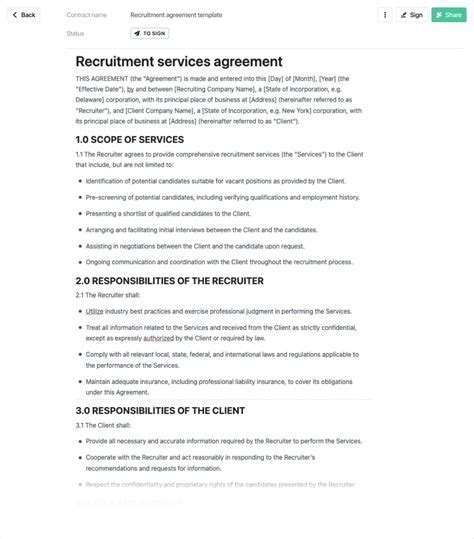
Contractual Framework and Legal Safeguards
Fractional contracts are detailed, multi-layered documents managed by aviation lawyers and advisors. These agreements typically include:
-
Access guarantees and interchange rules
-
Maintenance and safety compliance standards
-
Reacquisition rights and resale procedures
-
Indemnity clauses, liability limits, and insurance coverage
Most contracts define short leg waivers, overfly rules, fuel surcharges, and ferry waivers, ensuring both parties understand operational logistics and billing criteria. Legal oversight is essential in preventing misinterpretation of availability terms, hourly usage conditions, or dispute resolution procedures.
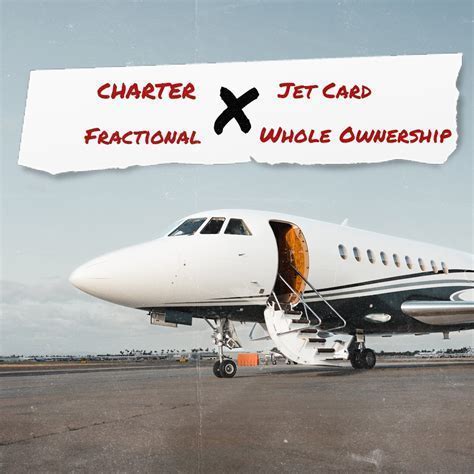
Fractional vs. Charter vs. Full Ownership
Understanding how fractional ownership compares to other aviation models is critical when making a decision. Each approach serves a different need:
-
Fractional Ownership: Best for consistent travelers needing 50–400 flight hours/year, who desire high flexibility but lower up-front capital.
-
Jet Charter: Suitable for occasional flyers. No long-term commitment, but more volatile pricing and less availability.
-
Full Ownership: Optimal for those exceeding 400 hours/year or requiring a highly customized aircraft. Comes with substantial capital, staffing, and maintenance obligations.
Popular Aircraft in Fractional Programs
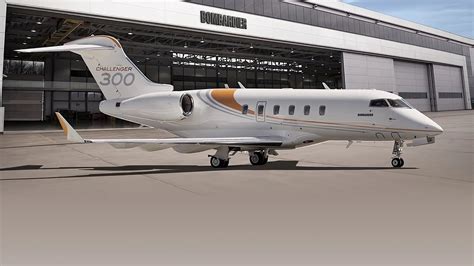
Leading providers offer a wide selection of aircraft tailored to varying needs. Notable models include:
-
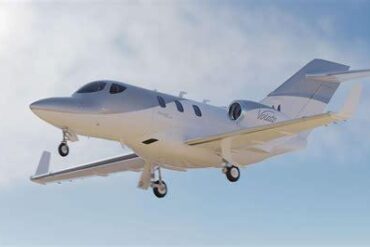
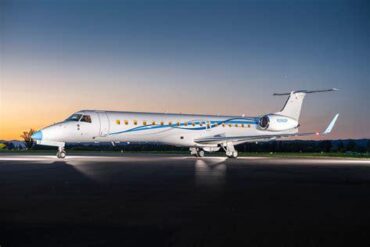
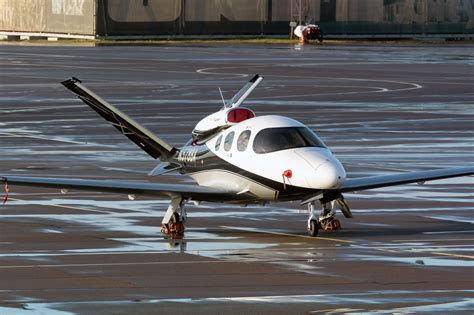
Light Jets: Embraer Phenom 300, Cessna Citation CJ3+
-
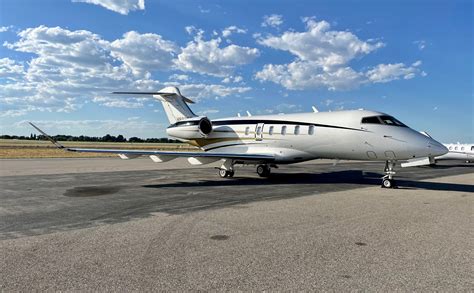
Midsize Jets: Bombardier Challenger 350, Hawker 900XP
-
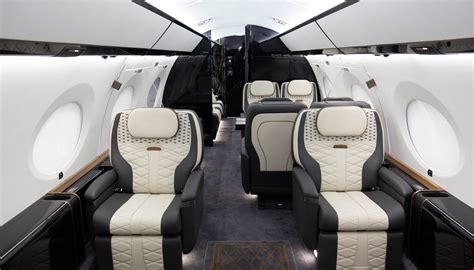
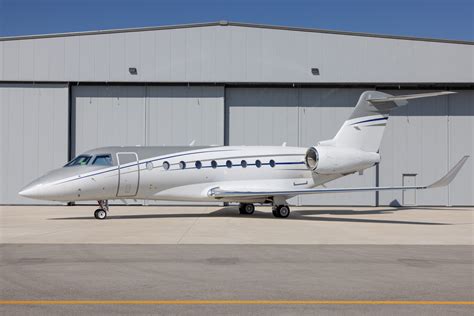
Super-Midsize: Gulfstream G280, Cessna Citation Longitude
-
Large-Cabin Jets: Gulfstream G500/G650, Bombardier Global 6000
Aircraft choice depends on mission profile, passenger load, and flight range, with many operators allowing upgrades or downgrades within the fleet.
Market Outlook and Evolution
The fractional ownership industry has seen significant transformation in the past decade. Providers have diversified their offerings with fractional cards, charter memberships, and on-demand hybrid programs, providing customers with even more tailored flight access solutions. Moreover, advances in fleet digitalization, predictive maintenance, and AI-driven dispatch systems have improved aircraft utilization and availability.
The market is expected to grow steadily, driven by increasing demand from private business travelers, post-pandemic shifts in air travel behavior, and interest from emerging economies. Sustainability is also beginning to play a role, with some providers offering carbon offset options and exploring sustainable aviation fuels (SAF) as part of their long-term strategy.
Conclusion
Fractional aircraft ownership represents a strategic middle ground between full ownership and ad hoc chartering, combining operational convenience, high availability, and reduced capital exposure. With evolving contractual models, a wide array of aircraft options, and streamlined fleet logistics, the system continues to appeal to discerning travelers seeking efficiency, privacy, and time-saving benefits.
While it is not without its challenges — particularly in cost transparency and aircraft matching — the robust structure provided by experienced operators ensures that stakeholders can enjoy an elite, flexible form of private aviation, tailored to the modern traveler’s needs.
Frequently Asked Questions
What is the typical contract length for fractional aircraft ownership?
Most contracts last for five years, after which owners may resell their share back to the provider or transfer it to another buyer. Terms vary by provider, and some may offer shorter durations for fractional cards or introductory programs.
Are fuel and maintenance included in the cost?
Monthly management fees cover scheduled maintenance, crew salaries, and hangar services, but fuel surcharges and hourly operating costs are usually charged separately when the aircraft is in use.
Can I choose the exact aircraft for each flight?
Owners are guaranteed access to an aircraft of similar class or better within their program, not necessarily the exact tail number. Fleet flexibility is one of the system’s advantages, though some preferences may be accommodated with advance notice.