Understanding Private Jet Fractional Ownership
Private jet fractional ownership has emerged as a compelling solution for individuals and corporations that require regular access to private air travel without the overwhelming costs and responsibilities of full aircraft ownership. This innovative model offers shared usage of high-performance jets, providing substantial convenience, luxury, and flexibility at a fraction of the cost.
Under fractional ownership, participants purchase a share—typically 1/16th to 1/2—of an aircraft, which grants them access to fly a proportional number of hours per year. This system, pioneered and refined by industry leaders like NetJets, enables tailored travel solutions for busy executives, celebrities, and high-net-worth individuals.
The concept functions much like real estate time-sharing, but with significantly more flexibility and service inclusions. Owners benefit from professional flight crews, 24/7 concierge services, streamlined airport experiences, and maintenance-free operations—all coordinated by a fractional jet management company.
How Does Fractional Ownership Work?
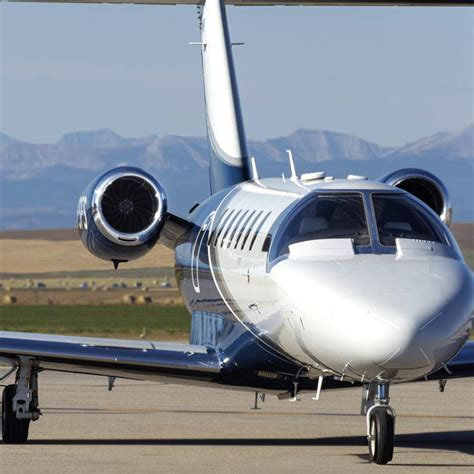
When a client enters a fractional jet program, they are essentially acquiring a fixed number of hours on a specific aircraft each year. For example, a 1/16th share typically translates to 50 flight hours annually, with larger shares offering proportionally more usage.
Ownership agreements are usually structured as lease-based arrangements rather than direct equity holdings. This allows owners to avoid the capital depreciation associated with full aircraft ownership, while still retaining the operational advantages.
Management providers such as Flexjet, Jet It, and PlaneSense assume responsibility for:
-
Aircraft scheduling and dispatch
-
Ongoing maintenance and inspections
-
Crew hiring and training
-
Insurance and regulatory compliance
Participants are billed monthly for fixed and variable expenses, including fuel surcharges, insurance, and crew expenses. This ensures cost transparency and predictability.
Evaluating the Cost of Fractional Jet Ownership
The total cost of fractional ownership depends on a number of key variables:
-
Aircraft type and model
-
Fractional share size
-
Hours flown per year
-
Contract duration
-
Management company fee structure
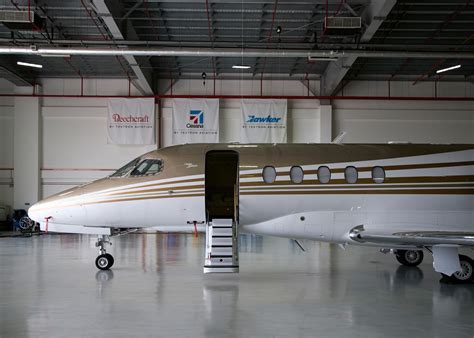
Consider a practical example involving a 1/16th share in a midsize jet like the Cessna Citation Latitude:
-
Initial acquisition cost: $350,000
-
Annual management fee: $10,000
-
Operating cost per hour: $2,000
-
Annual usage: 50 hours
Your first-year expense would total approximately $460,000, including the acquisition. In subsequent years, ongoing costs would stabilize around $110,000 annually, subject to fuel prices, inflation, and management fee changes.
Cost Breakdown Example (1/16th Share):
| Cost Element | Estimated Cost |
|---|---|
| Initial Investment | $350,000 |
| Annual Operating Cost | $100,000 (50 x $2,000/hr) |
| Annual Management Fee | $10,000 |
| Total Year One Cost | $460,000 |
Comparing to Jet Card Ownership
Another common private travel alternative is jet card ownership, which provides pre-paid access to a block of flight hours without equity investment. Jet cards are especially favored for clients who:
-
Require fewer than 50 hours of flight time per year
-
Prefer not to manage asset depreciation
-
Want access to various aircraft models
Jet cards are more expensive on a per-hour basis—ranging from $6,000 to $14,000 per hour—but offer unmatched flexibility. Unlike fractional ownership, jet card users are not tied to a single aircraft and can typically fly on-demand with shorter notice.
For example, a 25-hour jet card may cost between $150,000 and $350,000, depending on the aircraft class. While this model lacks long-term cost efficiency, it offers simplified billing and reduced commitment.
Selling a Fractional Jet Share
Unlike a private aircraft, which can be sold on the open market, a fractional share is more complex to divest. Most agreements grant the managing company first right of refusal, and resale values depend heavily on aircraft condition, market demand, and operational cost trends.
Providers such as NetJets typically offer a surrender price after a 12-month holding period, allowing owners to exit under specified conditions. However, this price may be significantly lower than the original investment due to depreciation, reduced demand, or contractual limitations.
To mitigate these risks, buyers should thoroughly review contract clauses related to exit strategies, surrender rights, and transferability.
Key Drawbacks of Fractional Jet Ownership
While fractional programs offer convenience and reduced financial burden, they are not without limitations. The following are among the most commonly cited disadvantages:
1. Limited Control
Owners do not have a say in flight crew selection, aircraft livery, or base location. Operational decisions lie solely with the management company.
2. Ongoing Operational Costs
Even when not flying, owners continue to pay monthly management fees, storage, and insurance.
3. Aircraft Availability
Peak season demands may restrict access despite reserved hours. Providers typically use a fleet model to rotate aircraft, but availability is not always guaranteed.
4. Depreciation and Market Volatility
Your share’s resale value is sensitive to macroeconomic factors and aircraft model popularity.
Is Fractional Ownership Worth It?
The answer hinges on your annual travel hours, financial liquidity, operational preferences, and need for customization. For executives flying between 50 to 200 hours annually, fractional ownership offers significant per-hour savings and access to superior aviation infrastructure compared to charter flights.
Corporations with predictable itineraries also benefit from fleet access, multi-aircraft flexibility, and priority scheduling. Conversely, clients with fluctuating travel patterns may find jet card or on-demand charter services more suitable.
The Rise of Hybrid Programs
As market preferences evolve, several providers now offer hybrid solutions that combine jet card flexibility with fractional cost advantages. Companies like Nicholas Air and Airshare present adaptable programs with tiered memberships, dynamic aircraft selection, and reduced commitments.
These offerings cater to a new generation of high-net-worth individuals who value both asset-light models and premium travel experiences.
Frequently Asked Questions (FAQ)
What happens if I don’t use all my allocated hours?
Unused hours are often rolled over to the next year within the contract term, subject to conditions. However, some providers may charge additional fees or apply expiry dates to prevent indefinite carryovers.
Can I upgrade or downgrade aircraft models within my share?
Most fractional providers allow aircraft interchange within the fleet. Hourly conversion rates are used to calculate value equivalency between different aircraft types.
How long is a typical fractional jet ownership contract?
Contract durations usually span 3 to 5 years, with renewal and exit options detailed in the lease agreement. Early termination may incur penalties or forfeited equity.