Understanding Private Jet Speeds: A Complete Analysis
When discussing how fast private planes fly, it is critical to look beyond just numbers. While private jets may match or exceed the maximum cruising speeds of commercial airliners, the real speed advantage lies in time saved from departure to destination. By bypassing long security queues, gate delays, and taxiing times, private aviation offers an unmatched efficiency in door-to-door travel time.
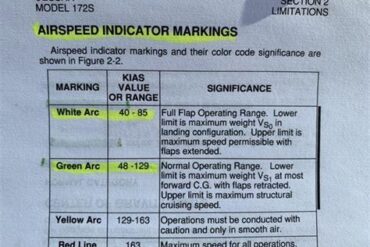
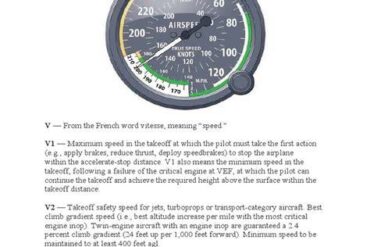
The speed of a private jet is measured primarily in knots true airspeed (ktas) and Mach number, both indicating how fast the aircraft moves relative to the surrounding air. For context, a typical commercial jetliner cruises at about 500–521 ktas (approximately 575–600 mph, or Mach 0.78–0.81). However, many private aircraft are engineered for higher potential speeds, although they often operate slightly below their limit for safety and comfort.
Speed Classification by Jet Type
To better appreciate the performance of different jets, we must examine key models across classes:
Very Light Jets (VLJs)
These compact aircraft are designed for short regional flights, usually seating 4–6 passengers.
-
HondaJet Elite S: Cruises at 422 ktas (782 km/h, 486 mph, Mach 0.63).
-
Ideal for city-hopping and flights under 1,500 nautical miles.
Super Mid-Size Jets
Larger cabins and transcontinental range define this category.
-
Gulfstream G280: Cruises at 562 ktas (1049 km/h, 652 mph, Mach 0.85).
-
Suitable for coast-to-coast U.S. flights or Europe-to-Middle East missions.
Large Jets
Engineered for both comfort and range.
-
Cessna Citation Longitude: Cruises at 483 ktas (895 km/h, 556 mph, Mach 0.72).
-
Offers long legs with fuel-efficient operation.
Long-Range Jets
Long-haul luxury and performance, tailored for intercontinental flights.
-
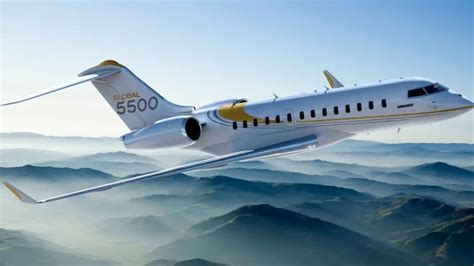
Bombardier Global 5500: Cruises at a blistering 600 ktas (1111 km/h, 690 mph, Mach 0.90).
-
Among the fastest non-military jets flying today.
Executive Liners
These are converted airliners, designed to fly heads of state and global business leaders.
-
Boeing Business Jet (BBJ): Cruises at 486 ktas (900 km/h, 599 mph, Mach 0.78).
-
Offers extreme comfort with multiple onboard suites and boardroom spaces.
What Determines a Jet’s Speed?
Multiple technical and environmental variables govern private jet speeds:
1. Thrust
Jet engines convert fuel into forward force. The more efficient the thrust-to-weight ratio, the faster the aircraft can travel. High-bypass turbofans, as used in modern private jets, strike a balance between speed and fuel economy.
2. Drag
Aircraft fuselage and wing design directly impact aerodynamic drag. Sleek, swept-wing geometries reduce resistance, allowing sustained cruise at high Mach speeds without burning excessive fuel.
3. Lift and Weight
The total onboard weight—including passengers, fuel, and cargo—affects how much lift and thus how much power is required to maintain altitude and speed.
Cruising Altitude: Speed’s Silent Partner
Private jets typically cruise between 31,000 and 42,000 feet, occasionally going higher than most commercial airliners, which average around 33,000 feet.
Flying at high altitudes offers several advantages:
-
Lower air density, which reduces drag and allows engines to operate more efficiently.
-
Smoother flights, as turbulence is reduced significantly above 30,000 feet.
-
Improved routing, helping pilots avoid weather systems and congested airspace.
The record for the highest sustained altitude by a private aircraft is approximately 42,000 feet, though military-grade platforms have reached up to 354,200 feet.
Real-World Travel Time: Private vs. Commercial
The actual benefit of flying private isn’t just about higher airspeeds. It’s about optimized time management. A 2014 report from the European Business Aviation Association (EBAA) found that, on average, passengers saved 127 minutes per trip by flying private. In some cases, the savings amounted to five hours or more, especially when comparing travel to smaller regional airports unreachable via direct commercial service.
This time gain results from:
-
Direct routing, eliminating layovers.
-
Minimal ground delay, as private fliers avoid long check-ins and TSA lines.
-
Faster boarding and disembarkation, often within 10 minutes.
-
Closer proximity to destination, using smaller regional or private airports.
Flight Safety and Speed Regulation
Safety in high-speed private aviation is non-negotiable. Each aircraft undergoes rigorous testing for its maximum operating speed (MMO). For example, the Global 5500 is certified to operate safely at Mach 0.90, with performance validated across commercial, private, and even military configurations.
Pilots are trained to adjust speed based on real-time factors such as:
-
Weight load: More mass demands slower acceleration and deceleration.
-
Jet stream alignment: Using prevailing winds to boost ground speed.
-
Weather conditions: Thunderstorms, ice layers, or turbulence zones impact throttle settings.
Moreover, private jets often fly above congested commercial routes, allowing for smoother air traffic control (ATC) management and quicker vectoring into destination airports.
Why Private Jets Fly Slower Than They Can
Although many private jets have top speeds that exceed commercial aircraft, pilots often fly at conservative cruising speeds. This deliberate decision comes from the need to balance:
-
Passenger comfort: High-speed turbulence can cause unnecessary discomfort.
-
Engine longevity: Sustained high speeds wear out turbines faster.
-
Fuel optimization: Cost efficiency often trumps maximum speed.
Final Thoughts: Speed Is More Than a Number
To answer the question, “how fast do private planes fly?” — it’s not merely about reaching Mach 0.90 or covering 600 ktas. It’s about operational efficiency, route flexibility, and net time saved. Whether crossing oceans or hopping between cities, private jets deliver time value unmatched by commercial aviation, not just in velocity, but in the entire travel experience.

FAQs About Private Jet Speeds
How fast is the fastest private jet currently in service?
The Bombardier Global 8000 is projected to become the fastest business jet, with a top speed of Mach 0.94. Among currently active jets, the Bombardier Global 5500 leads with a cruising speed of 600 ktas (690 mph).
Do private jets fly faster than commercial planes?
In many cases, yes. While commercial jets average around 575–600 mph, certain private jets like the Gulfstream G700 or Global 5500 can cruise at higher Mach numbers, especially at optimal altitudes with favorable wind conditions.
What affects a private jet’s maximum cruising speed?
Several factors determine this, including aircraft design, engine power, flight altitude, and external conditions such as jet streams and atmospheric pressure. Pilots make real-time adjustments to ensure optimal fuel usage and passenger safety while maximizing speed.