In aviation, precision is paramount — and nowhere is this more evident than in the realm of V-speeds, the standardized airspeeds crucial for safe aircraft operations. Among the most critical of these are Vs, Vs0, and Vs1, each representing a specific type of stall speed based on aircraft configuration. Understanding the nuanced differences among them is not just academic — it’s vital for flight safety, performance planning, and regulatory compliance.
What Is Vs? The Generic Stall Speed Indicator
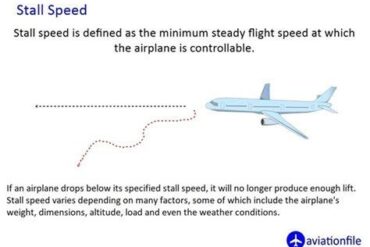
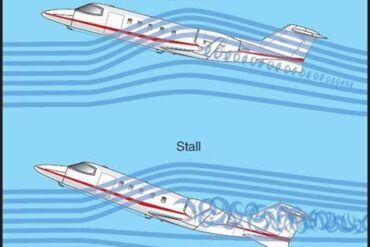
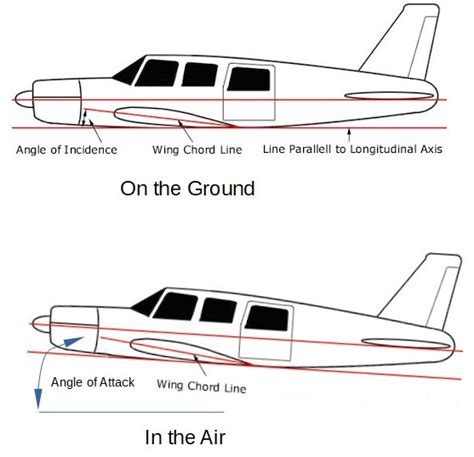
Vs stands for “stalling speed or the minimum steady flight speed” at which the aircraft is still controllable. It represents a baseline — a conceptual umbrella under which other more configuration-specific stall speeds fall.
However, this value is not absolute. Aircraft do not operate in a single configuration, and stall characteristics change dramatically depending on flap settings, landing gear positions, and aircraft loading.
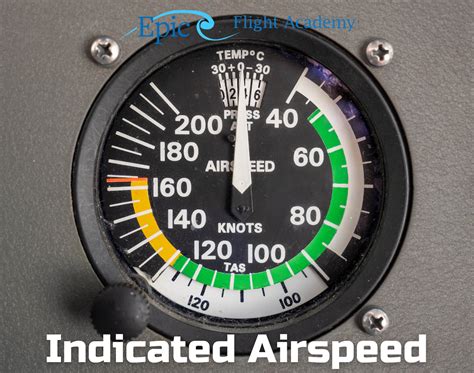
Thus, Vs is best understood as a general reference point. For practical and regulatory use, it is subdivided into two primary, configuration-specific values: Vs0 and Vs1.
Vs0: Stall Speed in Landing Configuration
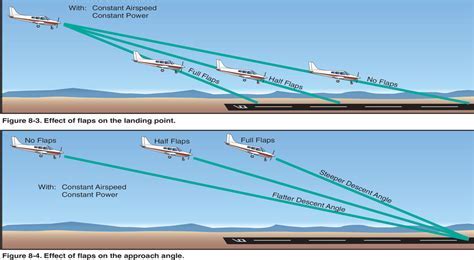
Vs0 is defined as the stall speed or minimum flight speed in the landing configuration — this typically means full flaps extended, landing gear down, and aircraft in its most drag-intensive state. This is the slowest and most vulnerable phase of flight, where aircraft are at greatest risk of stalling.
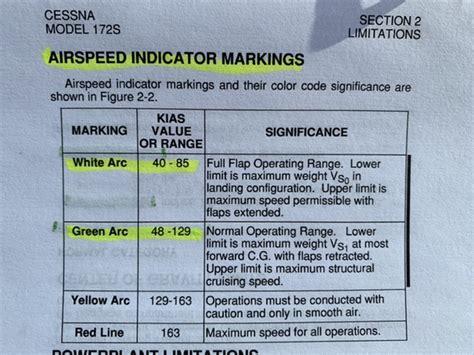
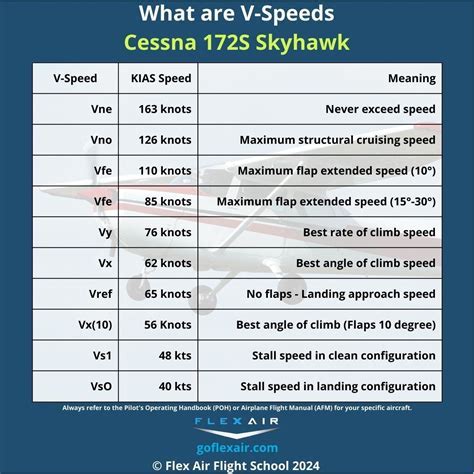
For example, in a Cessna 172S, the Vs0 is usually listed around 40 knots indicated airspeed (KIAS), assuming maximum landing weight and standard atmospheric conditions.
Key Factors Influencing Vs0:
- Flap Deflection: Full flap extension increases lift but also increases drag, which lowers the stall speed.
- Gear Position: Gear extended adds drag, contributing to a lower stall threshold.
- Center of Gravity: A forward CG increases stability but may slightly increase Vs0.
Understanding Vs0 is crucial during approach and landing, particularly when executing a go-around or assessing energy management in low-speed flight.
Vs1: Stall Speed in a Specified (Typically Clean) Configuration
Vs1 represents the stall speed in a specified configuration, often referred to as the “clean configuration.” This typically means flaps up, gear retracted, and aircraft trimmed for level flight — essentially how the aircraft is configured during climb-out, cruise, or level flight.
Vs1 values are generally higher than Vs0 due to the absence of additional lift-generating surfaces such as extended flaps. In the Cessna 172S, Vs1 is listed around 48 knots KIAS under standard load and atmospheric conditions.
This configuration is what most pilots rely on during the majority of flight operations, making Vs1 a cornerstone metric in everyday flying.
Why the “Specific Configuration” Matters:
The term “specific configuration” can vary depending on the aircraft and flight phase. However, it’s often standardized to the clean cruise state unless otherwise stated. While some variability may exist between aircraft types, certified flight manuals (POH/AFM) consistently define Vs1 for practical consistency.
How Vs Relates to Vs0 and Vs1
To clarify the relationship:
- Vs is the general concept of stall speed.
- Vs0 is Vs in the most drag-heavy landing configuration.
- Vs1 is Vs in a clean or specified configuration.
Effectively, Vs is a category, and Vs0/Vs1 are subcategories used to define stall speeds under the most operationally relevant scenarios. Regulatory bodies such as the FAA and EASA require both Vs0 and Vs1 to be published for certified aircraft.
These values also directly impact performance charts, takeoff and landing distances, and emergency procedure calculations.
Implications for Pilot Training and Certification
Understanding the distinctions among Vs, Vs0, and Vs1 is critical for pilot education, particularly in preparation for the FAA Knowledge Test and check rides. These terms are not just regulatory artifacts; they represent real-world aerodynamic phenomena that can dramatically impact flight safety.
Training emphasizes these speeds in scenarios such as:
- Stall recognition and recovery
- Short-field takeoff and landing operations
- Emergency procedures

Aircraft Design and Performance Considerations
From an engineering standpoint, Vs0 and Vs1 are not just theoretical figures but are deeply embedded in aircraft design philosophy. Aircraft manufacturers like Cessna, Cirrus, and Piper design control surfaces and weight distributions around these key metrics to ensure consistent stall behavior across a range of configurations.
Moreover, aerodynamic optimizations, such as wing twist (washout), vortex generators, and stall strips, are employed to manipulate the stall progression — affecting Vs values while maintaining controllability.
Vs0 and Vs1 in Performance Charts
Every Pilot Operating Handbook (POH) or Aircraft Flight Manual (AFM) contains detailed tables and graphs plotting Vs0 and Vs1 across different conditions. Pilots use these to determine safe approach speeds, abort limits, and climb gradients. The inclusion of weight, altitude, and CG location means Vs0 and Vs1 are not static — they evolve based on real-time flight dynamics.
Example from Cessna 172S POH:
- Vs0 (Landing Configuration): 40 KIAS
- Vs1 (Clean Configuration): 48 KIAS
- Weight Assumption: 2,550 lbs max gross
- CG Assumption: Most forward allowable limit
Why These Differences Matter in Real Flight
Failing to account for the appropriate stall speed can lead to catastrophic consequences. For example:
- Attempting to rotate or climb out at or near Vs0 with gear/flaps down may lead to immediate stall after liftoff.
- Approaching to land above Vs1 but below Vs0 may falsely reassure a pilot, when in fact stall margin is minimal or nonexistent.
The correct interpretation of Vs0 and Vs1 helps pilots ensure:
- Safe takeoff rotation speeds (Vr)
- Stall avoidance during go-arounds
- Predictable aircraft behavior in slow flight operations
Certification and Regulatory Requirements
Both FAR Part 23 (for small aircraft) and EASA CS-23 require manufacturers to clearly demonstrate and publish Vs0 and Vs1 through a combination of test flights and analytical validation. These figures are central to airworthiness certification and are evaluated across variables like CG extremes, bank angle tolerances, and control responsiveness.
Conclusion: Know Your Numbers, Fly Them Precisely
In summation, Vs, Vs0, and Vs1 are not interchangeable terms. Each has a specific aerodynamic and operational meaning that reflects how aircraft behave in different configurations. Pilots, engineers, and instructors must treat these numbers as living data points — not static figures — that shift with aircraft weight, loading, and environmental conditions.
Flying safely means knowing which configuration you’re in — and what that means for your stall speed envelope.
FAQ
What does Vs mean in aviation?
Vs refers to the stalling speed or minimum steady flight speed at which an aircraft is still controllable. It is a general term and often serves as a parent category to more specific stall speeds like Vs0 and Vs1.
Is Vs1 always the clean configuration stall speed?
In most certified aircraft, yes. Vs1 typically refers to stall speed in the clean configuration — flaps up, gear retracted — because that’s the most common non-landing flight condition. However, the “specific configuration” can technically vary and should always be confirmed in the aircraft’s POH.
Why is Vs0 lower than Vs1?
Vs0 is measured with flaps extended and gear down, increasing lift and drag, which lowers the speed at which a stall occurs. Vs1, in a cleaner configuration, has less lift enhancement, requiring a higher airspeed to maintain lift and avoid stalling.