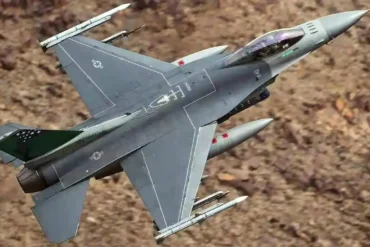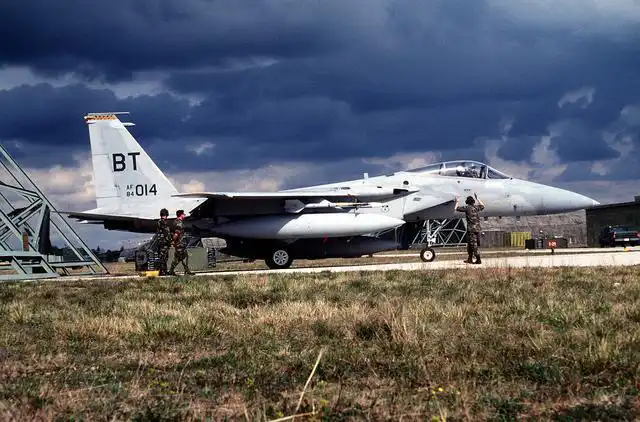
The McDonnell Douglas F-15 Eagle, a twin-engine, all-weather tactical fighter, has long been a cornerstone of air superiority for the United States Air Force. Designed to be highly maneuverable, the aircraft exhibits exceptional performance across various flight regimes, including low-speed engagements where stall speed becomes a critical factor.
F-15 Eagle Stall Speed and Design Characteristics
The stall speed of an aircraft is the minimum speed at which it can maintain level flight before aerodynamic stall occurs. For the F-15 Eagle, this metric is influenced by several key design elements:
- Low wing loading: The F-15 has a large wing area relative to its weight, which enhances lift and improves low-speed maneuverability.
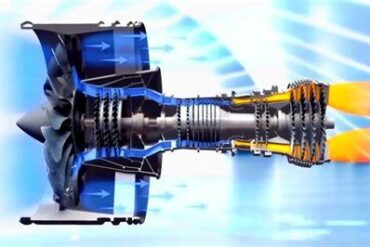
- High thrust-to-weight ratio: Its Pratt & Whitney F100 engines provide exceptional thrust, allowing the aircraft to recover from stall conditions more effectively.
- Aerodynamic efficiency: The blended wing-body design and leading-edge extensions contribute to improved lift characteristics.
Baseline Stall Speed of the F-15 Eagle
Under clean configuration (without external stores such as missiles or fuel tanks), the stall speed of the F-15 typically falls between 120 and 150 knots (222-278 km/h). However, this figure varies based on the aircraft’s weight, altitude, and configuration.
Impact of Combat Loadout on Stall Speed
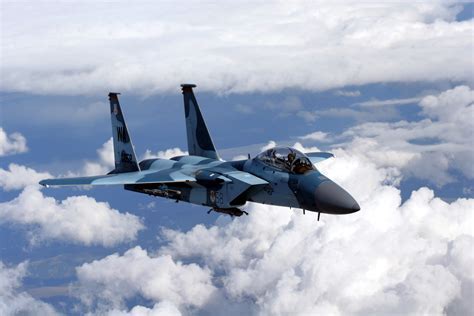
In an operational scenario, an F-15 is rarely flown in a clean configuration. Instead, it carries an assortment of air-to-air missiles, external fuel tanks, and conformal fuel tanks (CFTs). These additions increase weight and aerodynamic drag, slightly raising the stall speed.
For example:
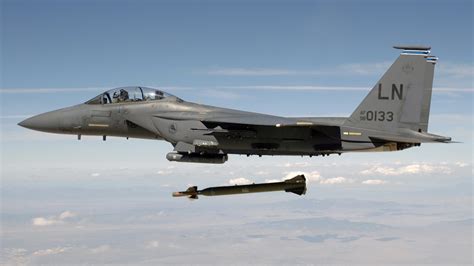
- The F-15E Strike Eagle, equipped with CFTs and a full weapons load, may have a stall speed higher than 150 knots.
- External fuel tanks and missile pylons alter airflow, increasing drag and reducing lift efficiency.
Operational and Pilot Considerations
F-15 pilots must account for stall speed variations during combat maneuvers, particularly in high-angle-of-attack (AOA) situations. The aircraft is equipped with several features to help prevent unintentional stalls:
- Fly-by-wire control system (F-15EX models): Enhances stability and prevents excessive stall-inducing inputs.
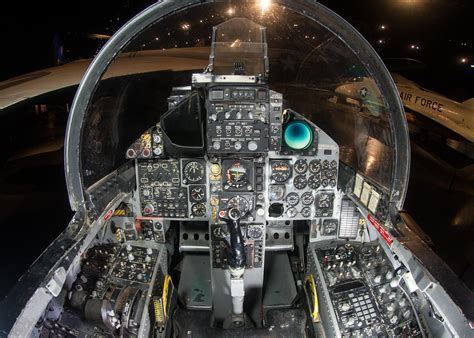
- Heads-Up Display (HUD) and Flight Control System: Provides real-time data on speed, angle of attack, and energy state.
- High-thrust engines: Even at low speeds, the F-15’s powerful engines enable rapid acceleration and stall recovery.
Comparison to Other Fighter Aircraft
The F-15 Eagle’s stall speed is comparable to other fourth-generation fighters but differs significantly from fifth-generation aircraft.
| Aircraft | Stall Speed (Knots) |
|---|---|
| F-15 Eagle (Clean) | 120-150 |
| F-16 Fighting Falcon | ~120 |
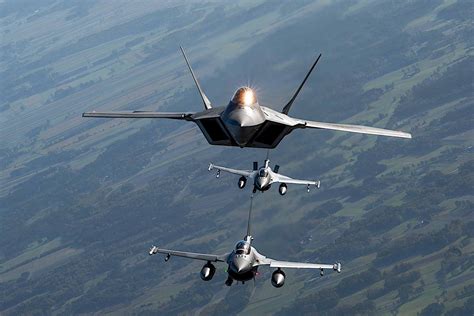
| F-22 Raptor | <120 |
The F-22 Raptor, designed with stealth and supermaneuverability, has a lower stall speed due to its advanced aerodynamics and thrust vectoring. Meanwhile, the F-16 Fighting Falcon, a lightweight multirole fighter, has a similar stall speed to the F-15 but lacks the latter’s raw thrust advantage.
Factors Influencing Stall Speed Variability
Several conditions influence the stall speed of an F-15, including:
- Altitude: At higher altitudes, air density decreases, impacting lift generation and modifying stall behavior.
- Weight Variations: A fully loaded F-15 with weapons and fuel has a higher stall speed than an aircraft operating at minimal weight.
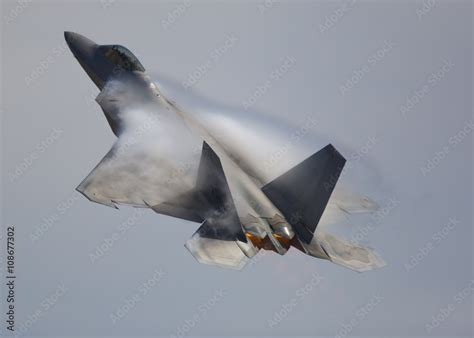
- Flight Maneuvers: Aggressive banking, high G-forces, and rapid deceleration can momentarily increase stall susceptibility.
Importance of Stall Speed in Air Combat
Although stall speed is not the primary performance metric in air superiority engagements, it plays a crucial role in dogfighting scenarios, landing approaches, and emergency recovery maneuvers. Pilots trained in energy management ensure that they maintain speeds well above stall conditions to retain control authority.
Key operational considerations include:
- Avoiding accelerated stalls during high-G turns.
- Managing energy depletion in prolonged engagements.
- Optimizing approach speeds for safe carrier or runway landings.
FAQ
1. What is the stall speed of an F-15 with external weapons and fuel tanks?
When fully loaded with external fuel tanks and air-to-air missiles, the stall speed of an F-15 can exceed 150 knots (278 km/h). The exact figure depends on the configuration and fuel load.
2. How does the F-15 recover from a stall?
The F-15’s high thrust-to-weight ratio allows for effective stall recovery. Pilots typically recover by lowering the AOA, increasing throttle, and stabilizing roll control using the aircraft’s advanced flight control systems.
3. How does the F-15 compare to the F-22 in terms of stall speed?
The F-22 Raptor has a lower stall speed than the F-15 due to thrust vectoring and superior aerodynamics. The F-15, while highly maneuverable, relies more on traditional aerodynamics and thrust for stall recovery.

By understanding the F-15 Eagle’s stall characteristics, pilots and aviation enthusiasts can better appreciate the aircraft’s performance envelope, combat effectiveness, and flight dynamics.