When you book a flight on American Airlines, you might notice the phrase “Operated by Envoy Air as American Eagle” tucked underneath your flight details. To the uninitiated, this phrasing can seem confusing or even concerning—especially when problems like seat selection errors, equipment changes, or first-class inconsistencies occur. Understanding what this language means, and how it affects your travel experience, is crucial for avoiding unnecessary frustration and knowing exactly whom to contact when issues arise.
What Does “Operated by Envoy Air as American Eagle” Really Mean?
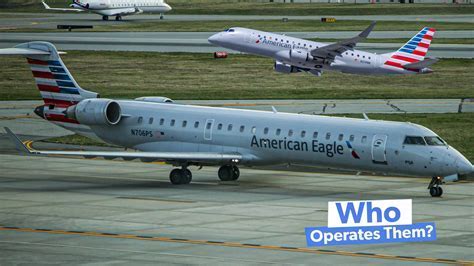
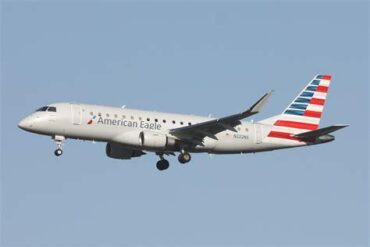
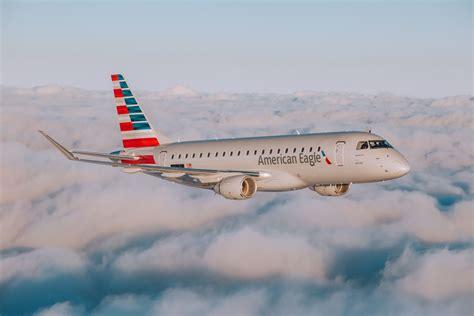
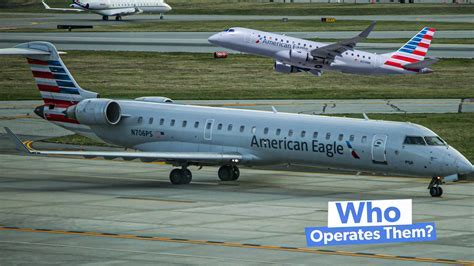
Envoy Air is a regional carrier wholly owned by American Airlines Group, and it operates flights under the American Eagle brand. This arrangement is part of a wider codeshare and branding strategy that helps American Airlines maintain its expansive domestic route network while utilizing smaller, more efficient aircraft.
When you see “Operated by Envoy Air as American Eagle,” it means:
- The plane and crew are provided by Envoy Air, not American Airlines directly.
- The service and operational standards follow American Airlines protocols, but nuances may differ slightly, especially in aircraft configuration and in-flight amenities.
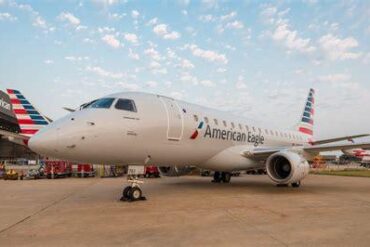
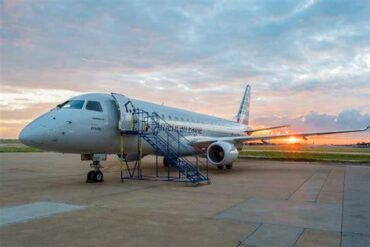
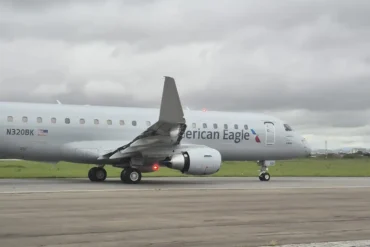
- The aircraft is typically a smaller regional jet, such as an Embraer E175 or CRJ-700, as opposed to mainline jets like the Airbus A321 or Boeing 737.
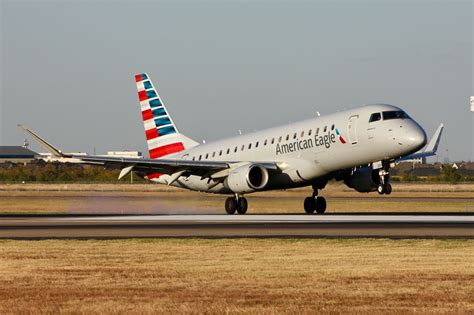
This distinction becomes especially important in the event of schedule changes, equipment swaps, or tech-related booking errors, all of which are more common on regional carriers due to their flexibility and different IT systems.
Why Seat Selection May Suddenly Stop Working
One of the most frequent complaints from passengers flying on a flight operated by Envoy Air involves seat selection glitches. As illustrated by real user experiences from online forums such as Reddit’s r/americanairlines, passengers sometimes:
- Receive a notification of a schedule change.
- Lose their seat assignment, even if previously confirmed.
- Attempt to select a new seat in the American Airlines app, only to receive errors during the final confirmation.
This usually happens because the equipment (aircraft) was switched from a mainline jet to a regional jet, resulting in a different seat map. Your original seat may no longer exist in the new configuration, especially in First Class, where Envoy jets often have fewer premium seats.
The American Airlines app may display seats as available, but attempting to finalize the selection triggers a backend system error. This is especially frustrating for travelers trying to ensure they are seated next to a companion—something that becomes harder the longer the issue persists.
How to Fix Seat Selection Errors on Regional Flights
If you’re experiencing issues selecting a seat on a flight labeled as “Operated by Envoy Air as American Eagle,” the best course of action is to call American Airlines customer service directly. Their team can:
- Manually assign seats on the updated aircraft.
- Confirm whether the seat map is finalized or still subject to changes.
- Help if you’re flying First Class, where system hiccups are more common.
The number to call is 1 (800) 433-7300.
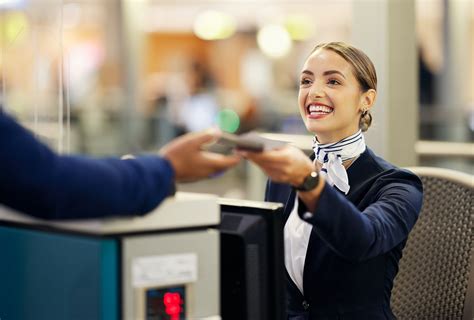
While the glitch often corrects itself within a day or two after a schedule update, waiting risks losing preferred seats entirely—especially if you’re traveling with others. Several frequent flyers noted that calling was the only solution that worked after app errors failed repeatedly.
Why Regional Aircraft Changes Are Common
Regional carriers like Envoy Air operate on a highly flexible model, allowing American Airlines to adjust capacity based on demand, crew availability, and market fluctuations. This flexibility often leads to last-minute equipment swaps, particularly when:
- Routes shift from mainline to regional operation (or vice versa).
- Maintenance schedules require aircraft substitution.
- Certain aircraft types are phased out or rotated through.
While these changes are often invisible to casual travelers, they have a ripple effect on your in-flight experience, including:
- Reduced legroom or cabin size.
- Smaller First Class sections, if any.
- Changes in boarding procedures (some regional flights use ground-level boarding).
- Lack of in-flight entertainment systems.
For travelers who booked First Class or Main Cabin Extra, these swaps may feel like a downgrade, even if technically you’re still in a premium seat.
Can You Manage Your Booking Normally?
Even though Envoy Air operates the flight, your booking is still entirely managed through American Airlines. This includes:
- Earning and redeeming AAdvantage miles.
- Accessing your itinerary through the AA app or website.
- Receiving notifications and updates via AA’s communications system.
However, certain backend systems (like the seat selection tool) may lag behind operational updates, which causes the frustrating disconnect between what you see and what’s actually confirmed. This is another reason why direct phone communication is often more effective than trying to troubleshoot in-app.
Tips to Avoid Problems on American Eagle (Envoy) Flights
To avoid problems when flying on a regional jet operated by Envoy Air:
- Monitor your flight for changes regularly, especially if booked far in advance.
- Confirm your seat assignments as soon as possible after any change.
- Call customer service immediately if you notice missing seat assignments or errors.
- If you’re in First Class, check the aircraft type in advance (via SeatGuru or AA’s aircraft info page) to understand the seating layout.
Being proactive reduces the chance of separation from your travel companion or unexpected seat downgrades.
The American Eagle Brand Strategy Explained
American Airlines uses the American Eagle brand to compete more efficiently in lower-demand or shorter regional routes where larger aircraft are not cost-effective. This strategy mirrors that of competitors like Delta (Delta Connection) and United (United Express).
Envoy Air, along with other regional subsidiaries like Piedmont Airlines and PSA Airlines, operates under this umbrella, ensuring brand consistency while reducing operational complexity.
Passengers still benefit from:
- AA’s loyalty programs and elite benefits.
- Unified customer service channels.
- Consistent branding, marketing, and check-in processes.
However, the operational nuances—such as those seen in seat map mismatches or app errors—often reflect the independent IT ecosystems and infrastructure between the regional carrier and the parent airline.
Final Thoughts: Know Before You Go
Seeing the phrase “Operated by Envoy Air as American Eagle” should not cause alarm, but it should prompt a closer look at your itinerary, especially when flying First Class or on a longer regional leg. These flights often run seamlessly, but the technical quirks, equipment shifts, and backend communication delays can make a huge difference in your comfort and peace of mind.
By staying vigilant, confirming your details early, and being ready to contact customer service when things go awry, you can avoid most of the headaches associated with these codeshare arrangements.
Remember: You’re still flying with American Airlines, even if the tail says American Eagle and the pilot works for Envoy. But knowing the distinction between mainline and regional can be the key to a smoother experience from booking to baggage claim.