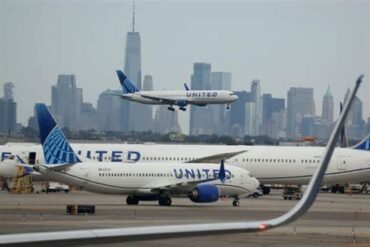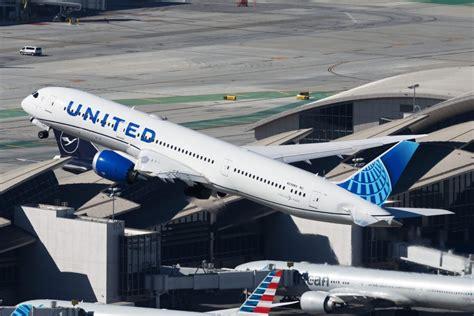
The sudden collapse of Spirit Airlines has triggered one of the most dramatic short-term shifts in the U.S. aviation market in recent years, sending ripple effects across pricing, passenger flows, and airline competition. As one of the country’s largest ultra-low-cost carriers disappears overnight, legacy airlines have rapidly repositioned themselves to absorb displaced demand. Among them, United Airlines has emerged as one of the most immediate beneficiaries, reporting a surge in bookings, loyalty enrollments, and workforce interest within days of the disruption.
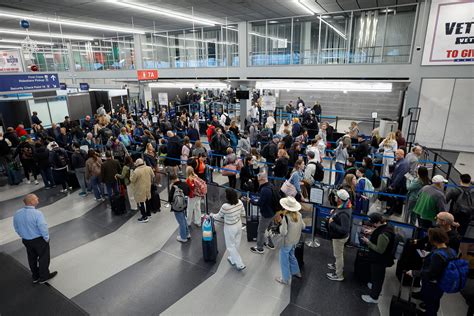
In the immediate aftermath of Spirit’s shutdown on May 2, tens of thousands of travelers were left scrambling for alternatives. Airports that once relied on Spirit’s dense low-cost network suddenly faced capacity gaps, while passengers confronted limited availability and rising fares. United responded quickly with a targeted strategy designed to capture both urgency-driven bookings and long-term customer loyalty.
The airline’s internal data reveals the scale of this opportunity. Within just two weeks, United recorded more than 103,000 new ticket bookings linked directly to its emergency response measures. At the same time, nearly 17,000 travelers enrolled in its MileagePlus program, signaling not just a temporary shift in travel behavior, but a deeper realignment of customer allegiance.
United Airlines’ Strategic Response Drives Immediate Gains
United’s approach was both tactical and aggressive, built around a capped fare system designed to attract stranded Spirit passengers without appearing opportunistic. By limiting most one-way tickets to $199, the airline positioned itself as a reliable alternative while maintaining pricing discipline during a volatile moment.
This pricing strategy proved highly effective. The capped fares offered predictability at a time when uncertainty dominated the market, allowing travelers to quickly secure replacement flights without navigating fluctuating last-minute pricing. The result was a rapid influx of bookings that exceeded internal expectations.
Equally significant was the spike in MileagePlus enrollments. Loyalty programs are a cornerstone of airline profitability, often driving repeat business and higher-margin revenue streams through co-branded credit cards and partner ecosystems. The addition of 17,000 new members in such a short period represents not just incremental growth, but a meaningful expansion of United’s long-term customer base.
At the same time, United extended support beyond passengers. The airline reported receiving more than 2,800 job applications from former Spirit employees, reflecting both the scale of workforce displacement and United’s proactive recruitment efforts. By offering temporary travel benefits and prioritizing applications, United positioned itself as a stabilizing force within a disrupted industry.
The Collapse of Spirit Airlines Reshapes the Competitive Landscape
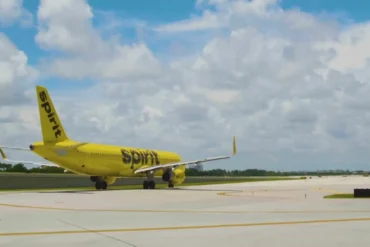
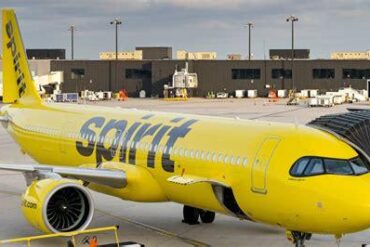
Spirit Airlines’ shutdown marks the end of a 34-year presence that fundamentally influenced airfare dynamics across the United States. Known for its ultra-low-cost model, Spirit played a critical role in what industry analysts often describe as the “Spirit Effect”—the downward pressure on ticket prices that benefited consumers even on routes the airline did not directly dominate.
The carrier’s financial struggles had been mounting for years, but the final collapse came swiftly. A blocked $3.8 billion merger attempt, repeated bankruptcy filings, and surging fuel costs created an unsustainable operating environment. When a proposed $500 million federal bailout failed to materialize, the airline was left with no viable path forward.
The shutdown stranded approximately 50,000 passengers and left nearly 17,000 employees without jobs. Legal challenges quickly followed, including allegations that the airline violated federal labor laws by failing to provide adequate notice of mass layoffs. Meanwhile, the liquidation process began, with aircraft, airport slots, and other assets slated for auction.
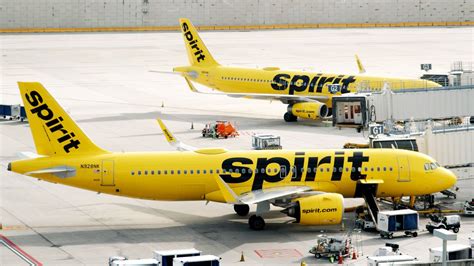
Beyond the immediate disruption, the long-term implications are profound. Without Spirit’s aggressive pricing model, the baseline for low-cost travel is expected to rise. Routes that once benefited from intense price competition may now see sustained fare increases, particularly in domestic leisure markets where Spirit had a strong presence.
Rescue Fare Programs Redefine Market Entry Points
In response to the sudden demand shock, multiple airlines introduced “rescue fare” programs aimed at capturing displaced passengers while maintaining goodwill. These initiatives varied in structure but shared a common objective: to quickly stabilize travel plans while expanding market share.
United’s capped fare model stood out for its simplicity and broad applicability, but it was not alone. Other carriers introduced competitive offers designed to attract price-sensitive travelers who had previously relied on ultra-low-cost options. These programs effectively created a temporary pricing floor across the industry, preventing extreme fare spikes while redistributing passenger traffic.
What distinguishes United’s performance is the scale at which it converted short-term demand into longer-term value. While competitors also saw booking increases, United’s parallel growth in loyalty membership suggests a more strategic capture of future revenue streams.
This dual impact—immediate ticket sales combined with loyalty expansion—positions United advantageously as the market stabilizes. It indicates that a portion of former Spirit customers may not return to ultra-low-cost models even if new entrants emerge, instead opting for the perceived reliability and network breadth of legacy carriers.
A Structural Shift in Airline Economics and Consumer Behavior
The disappearance of Spirit Airlines is not merely a temporary disruption; it represents a structural shift in how the U.S. airline market operates. Ultra-low-cost carriers have historically served as a counterbalance to legacy airlines, forcing pricing discipline and expanding access to affordable travel. Without that pressure, the industry is likely to recalibrate toward higher average fares and more segmented service offerings.
For United Airlines, the current surge in bookings and loyalty sign-ups is both an opportunity and a test. Sustaining this momentum will require more than competitive pricing—it will depend on delivering consistent service, maintaining network reliability, and continuing to offer value that justifies a shift away from ultra-low-cost alternatives.
The early indicators suggest that United has successfully navigated the immediate aftermath of Spirit’s collapse. By combining rapid operational response with strategic customer acquisition, the airline has transformed a moment of industry crisis into a catalyst for growth.
As the market continues to adjust, the true impact of Spirit’s disappearance will unfold over months, not weeks. Yet one conclusion is already clear: United Airlines has seized the moment decisively, converting disruption into measurable gains that could reshape its competitive position for years to come.