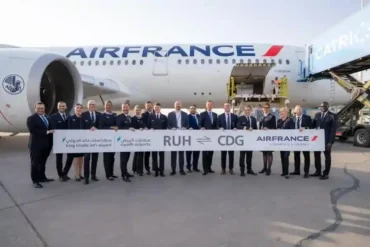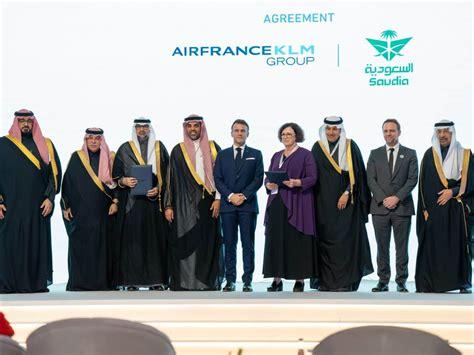
Riyadh Air has made a bold and strategic move at the 2025 IATA Annual General Meeting by signing a landmark Memorandum of Understanding (MoU) with Air France-KLM, forming a powerful alliance that could reshape the future of air travel between Europe and the Middle East. This partnership is not merely a codeshare arrangement but a comprehensive strategy aimed at forging deeper commercial, operational, and technological ties.
The agreement reflects Saudi Arabia’s ambition to emerge as a global aviation powerhouse, anchored in Riyadh Air’s growth trajectory and its alignment with the nation’s Vision 2030. For Air France-KLM, this partnership marks a calculated expansion into a dynamic and underpenetrated market.
Strategic Significance of the MoU Signed at IATA 2025
The MoU, formalized in Delhi during the IATA AGM, establishes an expansive framework of cooperation between the two carriers. The core elements include:
- Codeshare agreements that enable seamless booking and itinerary flexibility for passengers.
- Coordinated flight schedules across key hubs: King Khalid International Airport (RUH), Paris Charles de Gaulle (CDG), and Amsterdam Schiphol (AMS).
- Mutual network expansion to serve not only Riyadh, Paris, and Amsterdam but also extend coverage into North and South America, Asia, and other regions of the Middle East.
This marks a turning point in Riyadh Air’s international strategy, enabling the airline to instantly plug into Air France-KLM’s global footprint, while the European group gains vital access to Saudi Arabia’s emerging premium travel market. The convergence of network strengths will result in increased frequencies, reduced layover times, and enhanced onward connectivity.
Premium Traveler Focus and Loyalty Integration
What distinguishes this partnership is its emphasis on the premium traveler segment—a lucrative demographic both carriers are keen to capture. In a post-pandemic world, where airlines are competing not just on price but on experience and retention, Riyadh Air and Air France-KLM are betting on an elevated offering.
The integration of frequent flyer programs is central to this initiative. Passengers will soon be able to earn and redeem loyalty points interchangeably, allowing for smoother transitions between carriers. Coupled with shared lounge access and reciprocal elite privileges, the alliance is designed to deliver a consistent and elevated journey from booking to arrival.
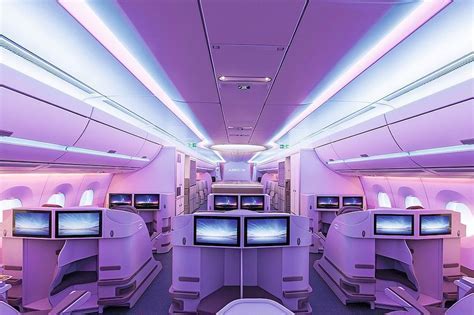
This focus on loyalty benefits is a forward-thinking strategy to build long-term customer value rather than transactional relationships, particularly appealing to business travelers, diplomats, and upper-tier leisure clientele moving between Europe and the Gulf.
Operational, Technical, and Digital Collaboration
Beyond passenger services, the MoU ventures into areas that often remain in the background but are vital to airline success: Maintenance, Repair, and Overhaul (MRO), sustainability, cargo logistics, and digital transformation.
Joint exploration of MRO capabilities signals an effort to optimize aircraft maintenance across fleets, improving reliability and cost efficiency. With both carriers investing in next-generation aircraft and digitized operations, shared best practices and coordinated logistics will elevate performance standards.
On the sustainability front, the partnership will align on green technologies, sustainable aviation fuel (SAF) sourcing, and emissions-reduction initiatives. This mirrors broader industry shifts and supports Saudi Arabia’s commitment to environmentally responsible aviation growth, as outlined in Vision 2030.
Digital innovation forms another key pillar. Riyadh Air, built as a tech-first airline, will collaborate with Air France-KLM on AI-driven customer support, personalized retailing, and automated disruption management systems. These enhancements are aimed at refining the passenger experience while driving operational intelligence across the value chain.
A Vision Aligned with Saudi Arabia’s Global Aviation Ambitions
This partnership is not an isolated commercial act—it is tightly interwoven with Saudi Arabia’s national development goals. Vision 2030 identifies aviation as a core enabler of economic diversification, tourism, and global influence.
By turning Riyadh into a global aviation hub, this partnership accelerates the capital’s transformation into a gateway between continents. It ensures that Riyadh Air is not merely a regional competitor, but a global force integrated into the world’s leading airline alliances.
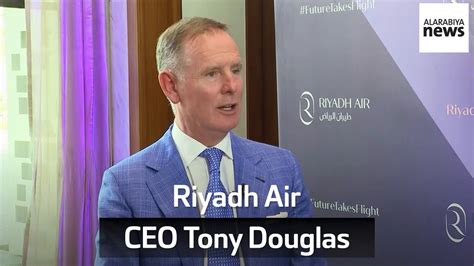
Tony Douglas, CEO of Riyadh Air, articulated the magnitude of this deal succinctly, calling it a “transformative leap” in Riyadh Air’s global blueprint. His emphasis on innovation, excellence, and guest-centric design reflects the airline’s modern ethos.
Meanwhile, Benjamin Smith, CEO of Air France-KLM Group, highlighted the opportunity to expand the group’s footprint in Saudi Arabia, complementing existing services by Air France, KLM, and Transavia. The move consolidates the group’s Gulf presence and signals a long-term commitment to the region’s growing aviation market.
Outlook: From Regional Agreement to Global Connectivity Platform
Although the agreement remains subject to regulatory approvals, the strategic intent is crystal clear: build a globally recognized, fully integrated aviation platform linking Europe and the Middle East, with tentacles reaching Asia, the Americas, and Africa.
With Riyadh Air preparing for its commercial debut in the near future, timing is essential. This deal provides a structural advantage at a critical juncture. It gives Riyadh Air access to immediate international reach, operational know-how, and commercial credibility.
Air France-KLM, in turn, gains preferential positioning in the Saudi market—one of the fastest-growing aviation sectors globally—without shouldering the full risk of standalone expansion. The ability to scale swiftly with a like-minded partner is a competitive edge in today’s volatile airline environment.
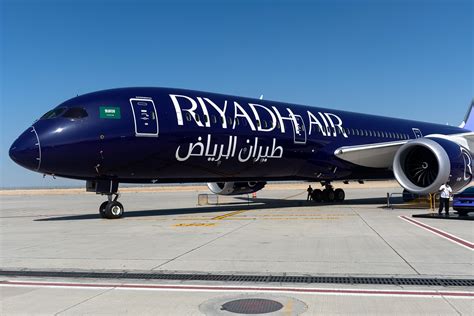
The MoU marks more than a partnership; it’s a strategic convergence of ambition, resources, and timing. It represents the kind of high-stakes collaboration that defines future-ready carriers—agile, interconnected, and customer-obsessed.
As regulatory approvals proceed and operational integrations deepen, industry observers will be watching how this alliance unfolds—not just in terms of market share or revenue, but in how it redefines passenger experience and sets new benchmarks in regional and global aviation.
In a world where alliances are evolving from marketing tools into full-scale strategic ecosystems, the Riyadh Air–Air France-KLM partnership is not just timely—it’s trailblazing.