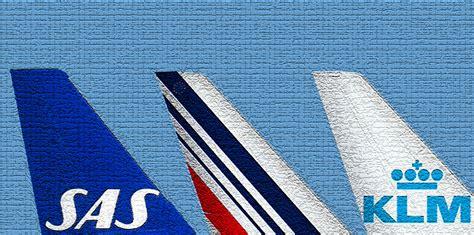
In a bold move set to reshape the fabric of European aviation, Air France-KLM has announced its acquisition of a controlling 60.2% stake in Scandinavian Airlines (SAS), igniting a powerful transformation in how passengers will navigate the continent. This high-stakes merger is far more than a business transaction—it represents a radical integration of Northern and Western Europe’s air travel infrastructure, enabling unprecedented ease, reach, and sophistication in European travel.
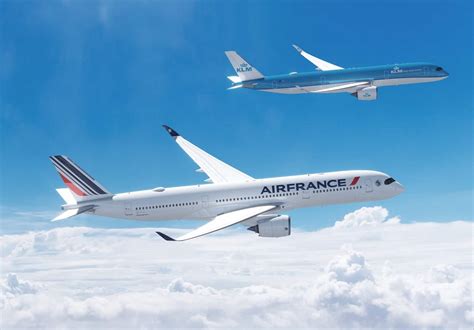
Strategic Acquisition Reshapes Europe’s Aviation Landscape
The acquisition immediately signals a deepening partnership between two powerful carriers that were already collaborating through codeshare agreements and interline arrangements. Now, with Air France-KLM becoming the majority stakeholder, the synergy between these airline giants takes on a new dimension. What was once a strategic partnership now evolves into a unified force designed to offer travelers an unmatched level of connectivity across Europe—and beyond.
By acquiring SAS, Air France-KLM now has a direct strategic foothold in key Nordic markets—Copenhagen, Stockholm, and Oslo—fusing its strong base in Paris and Amsterdam with Scandinavian economic powerhouses. This alignment allows the conglomerate to stitch together Northern and Western Europe into a seamless aerial corridor, benefiting both local and international passengers.
More Destinations, Fewer Hassles: A Passenger-Centric Revolution
For everyday travelers and frequent flyers alike, the most immediate benefit of this acquisition is the dramatic expansion of flight options and connection points. European travel, notorious for its layovers and fragmented airline networks, is about to be simplified. Passengers will now enjoy more direct routes, faster transit times, and unified services across a broader network.
Imagine flying from Paris to Tromsø, or Stockholm to Casablanca, with a single ticket, one loyalty program, and coordinated customer support. That’s the vision Air France-KLM and SAS are bringing to life. Combined, the new alliance’s network will encompass over 300 destinations worldwide, with more streamlined booking, baggage, and loyalty systems.
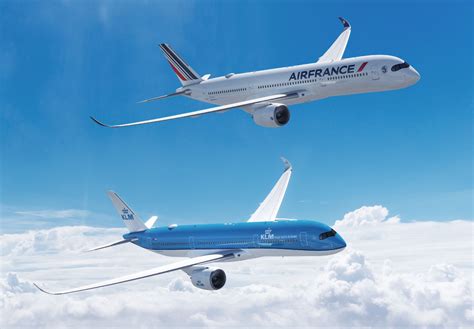
Loyalty Without Limits: Unified Rewards Programs
Frequent flyers stand to benefit immensely from a consolidated loyalty ecosystem. The alignment of SAS EuroBonus with Flying Blue, Air France-KLM’s rewards program, is expected to create one of Europe’s most comprehensive loyalty platforms. Members can anticipate:
- Greater status recognition across both airlines
- More access to priority services such as check-in, boarding, and lounges
- Increased opportunities to earn and redeem miles across all destinations
Premium customers will now enjoy a seamless elite experience, no matter which airline they choose for any leg of their journey. This alignment gives SAS loyalists access to global destinations while granting Flying Blue members a direct pathway into Scandinavia’s iconic cities and natural wonders.
Paris to the Arctic: Bridging Continental Extremes
One of the most intriguing consequences of the acquisition is how it redefines Europe’s geographic boundaries in terms of air connectivity. Traditionally, Nordic regions have operated somewhat independently of Western Europe’s major hubs. This merger changes everything.
With Air France-KLM linking its core cities—Paris, Amsterdam—to Copenhagen, Stockholm, and Oslo, a new cross-continental bridge emerges. This will empower business travelers, tourists, and cargo operators alike, streamlining travel from the Mediterranean to the Arctic Circle.
Denmark Retains Local Integrity in a Global Alliance
While Air France-KLM assumes a majority position, the Danish government retains a 26.4% stake in SAS. This ensures that Scandinavia’s identity and operational character remain intact. Passengers flying SAS will continue to enjoy its uniquely Nordic design philosophy, exceptional cabin service, and eco-conscious approach to air travel.
This blend of local heritage with global integration means SAS will still feel familiar to loyal Scandinavian customers, while becoming more accessible and appealing to travelers from around the world. The merger respects local nuances while elevating the airline’s global stature—a balance that few international acquisitions achieve.
A Game-Changer for European Tourism and Business
For the European travel industry, the implications are massive. This acquisition fosters a new age of pan-European tourism, removing long-standing friction points between separate national carriers. Tourists from Asia, the Americas, or the Middle East flying into Europe will find easier transit between major cities and hidden Scandinavian gems like Bergen, Ålesund, or Kiruna.
Business travelers, often squeezed for time, will benefit from fewer transfers, tighter schedules, and optimized intercontinental business routes. This is particularly impactful in the post-pandemic economy, where efficiency and reliability drive corporate travel decisions.
An Eye on Sustainability: Greener Skies Ahead
Air France-KLM and SAS are both noted for their environmental commitments. SAS has pioneered efforts to reduce emissions through biofuel use and fleet modernization, while Air France-KLM has invested heavily in carbon offsetting, next-gen aircraft, and sustainable operations.
With their forces now combined, the new alliance could lead the charge in making European air travel greener. Joint initiatives are expected to:
- Accelerate adoption of sustainable aviation fuel (SAF)
- Enhance fuel-efficient route optimization
- Increase use of next-gen aircraft like the Airbus A220 and A350
This means travelers can expect a more eco-friendly journey, backed by robust commitments from both carriers to climate goals.
From Code-Shares to Conglomerates: A Timeline of Collaboration
Though this acquisition is monumental, it’s not entirely unexpected. Air France-KLM and SAS have long shared a mutual interest in operational alignment. Over the past decade, they have built up:
- Extensive codeshare agreements
- Interline partnerships that improved baggage transfers and ticketing
- Joint marketing and route planning
Today’s acquisition is the logical extension of that evolution—a formal unification of two brands that have already spent years preparing for deeper collaboration.
What This Means for Global Travelers
The global travel ecosystem will feel the ripple effects of this consolidation. By connecting SAS’s reach into Northern Europe with Air France-KLM’s global tentacles, travelers from Asia-Pacific, North America, and Africa will now have more options to access destinations like:
- Lapland and Arctic Circle regions
- Lesser-known cities in Denmark, Sweden, and Norway
- Newly integrated Eastern European hubs via KLM’s presence
Expect to see new route announcements, enhanced in-flight services, and deeper cultural immersion experiences tailored for a global audience.
A New Era for European Aviation
Air France-KLM’s controlling stake in SAS marks a watershed moment in aviation history. It signals a shift away from fragmented national carriers toward pan-European, integrated air travel systems. As geopolitical, environmental, and economic pressures reshape how we fly, alliances like this are becoming essential to meet the demands of a modern, mobile global citizen.
Travelers should prepare for more convenience, better connectivity, and elevated service. With this move, Copenhagen, Stockholm, Paris, and beyond are no longer disconnected hubs—they’re gateways to a truly unified Europe in the skies.