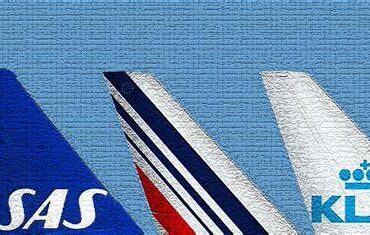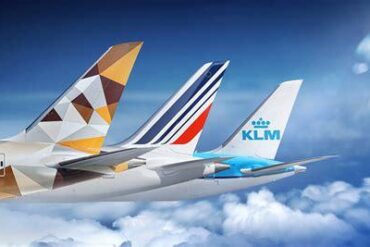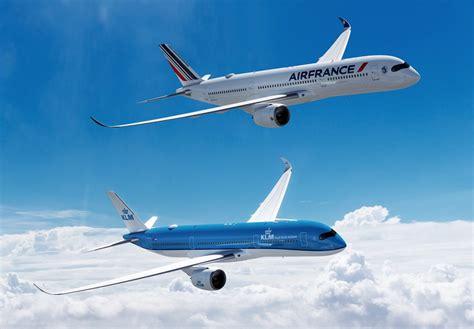
Air France-KLM is preparing to retire one of the most recognizable corporate identities in global aviation, signaling a dramatic shift in how Europe’s airline giants are positioning themselves for the next decade of consolidation. After more than 22 years operating under the combined Air France-KLM banner, the Franco-Dutch aviation group is now moving toward a neutral corporate identity as it expands beyond its original two-airline structure.
The decision comes at a pivotal moment for European aviation. With Scandinavian carrier SAS moving closer to full integration and Portuguese flag carrier TAP Air Portugal still in play, the group’s leadership increasingly believes the existing name no longer reflects the scale or ambition of the organization. Behind the scenes, however, the proposed rebrand is creating friction, particularly within KLM, where concerns are growing over autonomy, influence, and the future balance of power inside the expanding airline empire.
For passengers, investors, and airline employees alike, the move represents far more than a cosmetic rebrand. It is the clearest sign yet that Air France-KLM intends to evolve into a pan-European aviation holding company capable of competing directly with Lufthansa Group and International Airlines Group on equal footing.
Air France-KLM’s Historic Identity Faces Its Biggest Change Since 2004
When Air France and KLM merged in 2004, the aviation industry viewed the deal as revolutionary. The merger created one of Europe’s first truly multinational airline groups while preserving the identities of both legacy carriers. Unlike many corporate mergers that erase one side of the partnership, Air France-KLM deliberately retained both airline names to reassure customers, employees, and governments.
More than two decades later, that structure is beginning to look outdated.
According to reports from Dutch media outlet De Telegraaf, Group CEO Ben Smith has confirmed internally that the company intends to abandon the Air France-KLM Group branding entirely. Executives reportedly believe the existing name creates limitations as the airline portfolio grows and becomes more geographically diverse.
The strategy closely mirrors the model adopted by International Airlines Group, better known as IAG. Despite owning major airlines including British Airways, Iberia, Aer Lingus, Vueling, and LEVEL, IAG itself carries none of those airline names in its corporate identity. That neutral branding allows the holding company to expand without appearing dominated by any single carrier.
Air France-KLM now appears determined to follow the same blueprint.
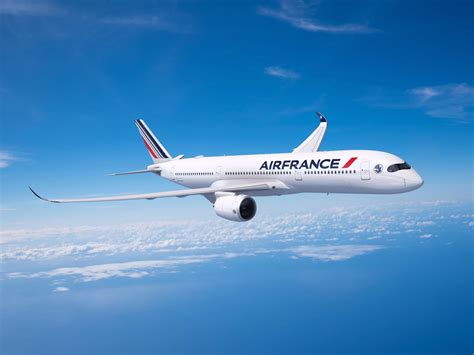
Internally, one provisional name reportedly circulating among executives is “The Blue Group,” though there is no indication that this will become the final corporate identity. Even so, the very existence of a working title demonstrates how serious the rebranding effort has become.
The symbolism behind removing “Air France” and “KLM” from the parent company’s name is enormous. Both airlines represent national icons with deep historical roots. Air France traces its origins back to 1933, while KLM remains the world’s oldest airline still operating under its original name. Eliminating those brands from the group identity marks a significant cultural and strategic departure from the merger’s original philosophy.
SAS Acquisition Accelerates The Push Toward A Neutral Brand
The accelerating integration of Scandinavian Airlines is the main catalyst behind the planned rebrand. Air France-KLM already owns a 19.9% stake in SAS, but the group is preparing to increase its holding to 60.5%, effectively giving it majority control over the Scandinavian airline.
That acquisition is expected to receive regulatory approval during the second half of 2026.
SAS has already taken major steps toward integration by leaving Star Alliance and joining SkyTeam in late 2024. The alliance transition was more than a symbolic move; it aligned SAS operationally and commercially with Air France and KLM, paving the way for deeper cooperation across scheduling, loyalty programs, and network planning.
The addition of SAS fundamentally changes the geographic identity of the group. Air France and KLM historically centered their operations around Paris Charles de Gaulle and Amsterdam Schiphol. SAS introduces Copenhagen, Stockholm, and Oslo into the equation, giving the group a stronger foothold in Northern Europe and the lucrative Scandinavian premium travel market.
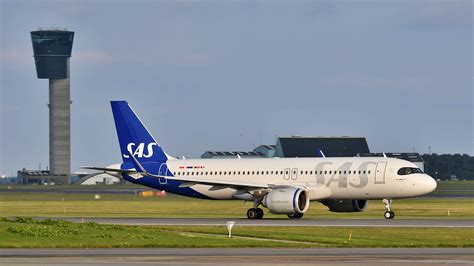
The broader strategic goal is becoming increasingly clear. Air France-KLM no longer wants to be perceived as merely a Franco-Dutch airline partnership. It wants to evolve into a continental aviation conglomerate capable of integrating multiple national carriers under one corporate structure while still preserving local airline brands.
That ambition explains why executives now see the existing name as restrictive rather than prestigious.
TAP Air Portugal Could Become The Next Piece Of The Puzzle
At the same time it pursues control of SAS, Air France-KLM is aggressively positioning itself to acquire a stake in TAP Air Portugal. The Portuguese government is expected to move forward with TAP’s privatization process during the second half of 2026, setting the stage for a fierce contest between Europe’s airline giants.
Lufthansa Group is also competing heavily for TAP, viewing the Lisbon-based airline as strategically critical because of its dominant South Atlantic network linking Europe with Brazil and other Portuguese-speaking markets.
For Air France-KLM, winning TAP would dramatically strengthen its long-haul reach while adding Lisbon as another major hub alongside Paris, Amsterdam, and Copenhagen.
The implications for network planning are enormous. Instead of relying on one or two mega-hubs, the group would effectively operate a multi-hub European system optimized for different geographic flows. Amsterdam could continue serving Northern Europe and transatlantic business traffic, Paris would remain the global flagship hub, Copenhagen would anchor Scandinavian operations, and Lisbon would become the gateway to Brazil, Africa, and parts of South America.
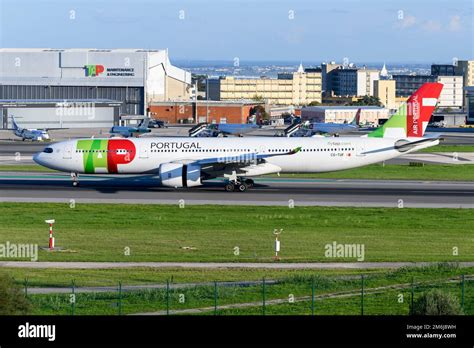
Such a structure would allow the group to compete more aggressively against Lufthansa Group’s sprawling multi-airline ecosystem and IAG’s diversified portfolio.
It would also fundamentally justify the abandonment of the Air France-KLM name. Once the organization includes airlines from France, the Netherlands, Scandinavia, and Portugal, a dual-brand corporate title increasingly feels too narrow for the scale of the enterprise.
KLM Fears Growing Centralization Inside The Group
While executives in Paris see expansion as necessary for long-term competitiveness, the strategy is reportedly creating unease inside KLM Royal Dutch Airlines.
KLM has historically maintained a relatively high degree of independence within the group, particularly regarding finances, route planning, and operational management. Many within the Dutch carrier fear that a neutral holding company structure could accelerate decision-making centralization in Paris, gradually reducing KLM’s influence.
Those concerns are not unfounded.
Large airline holding companies often consolidate power at the corporate center as they expand. Lufthansa Group, for example, centralizes many strategic decisions from Frankfurt, including fleet procurement and broader network coordination. While subsidiary airlines retain their own branding and onboard identities, critical corporate decisions increasingly flow through the parent organization.
Ben Smith appears eager to implement a similar framework.
Supporters argue that stronger centralization creates efficiency, improves fleet harmonization, strengthens purchasing power, and simplifies integration between carriers. Critics, however, warn that it can dilute national airline identities and reduce operational flexibility for individual airlines within the group.
This tension between integration and independence has defined nearly every major airline merger of the past two decades, and Air France-KLM is now entering its most sensitive phase yet.
What The Rebrand Means For Passengers Across Europe
For travelers, the most immediate changes will likely emerge behind the scenes rather than on aircraft liveries.
Air France, KLM, SAS, and potentially TAP are all expected to preserve their individual public-facing brands. Passengers will still book flights on familiar airlines with distinct cabins, crews, and service cultures. The real transformation will occur through deeper operational integration.
That includes expanded codeshare agreements, unified booking systems, streamlined transfers between hubs, and closer loyalty program coordination. Frequent flyers could eventually gain more seamless status recognition and redemption opportunities across the growing network.
The long-term vision is becoming increasingly obvious: a single aviation powerhouse operating multiple premium European airlines under one corporate umbrella while presenting customers with a smoother continent-wide travel experience.
If the rebrand proceeds as expected, the disappearance of the Air France-KLM name will mark the end of one era in European aviation — and the beginning of a much larger, more centralized airline group designed for the next generation of global competition.