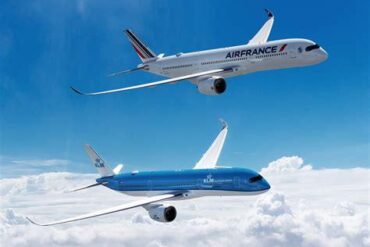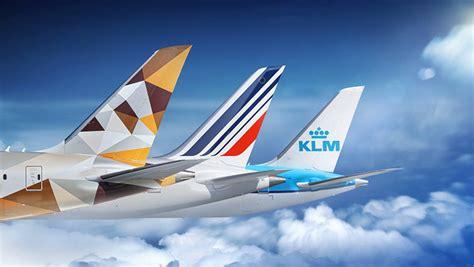
In a landmark move that reshapes the dynamics of intercontinental air travel, Air France-KLM and Qantas have officially expanded their codeshare agreement, ushering in a new era of convenience and connectivity for passengers traveling between Europe and Australia. Announced on July 10, 2025, this bold step reflects a long-term strategy to enhance passenger experience, loyalty benefits, and network coverage across both hemispheres. For travelers—both leisure and corporate—the implications are far-reaching.
Enhanced Route Accessibility Between Continents
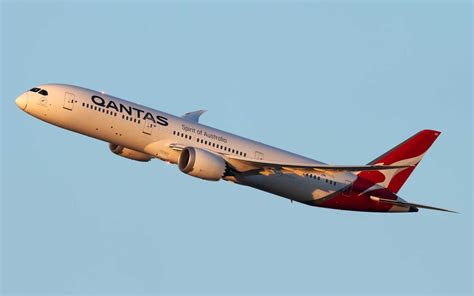
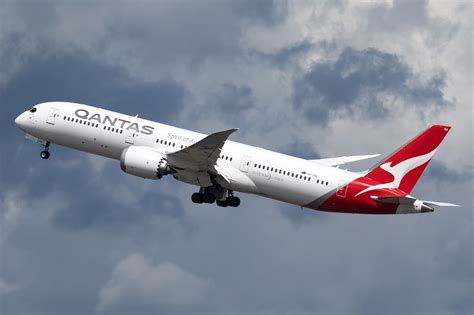
At the heart of the extended agreement is a game-changing development: Air France will now place its flight code on Qantas’ popular non-stop Perth–Paris route, which launched in July 2024. This non-stop connection, already a strong performer in terms of revenue and customer demand, offers French and broader European passengers a direct gateway to Western Australia. Conversely, Australian travelers now have smoother access to the heart of Europe with fewer touchpoints.
Simultaneously, KLM will expand its network footprint by placing codes on Qantas flights operating from Singapore to Darwin, tightening the airline’s grip on the Asia-Pacific gateway and enabling a stronger bridge between Northern Europe and Northern Australia. The arrangement minimizes layovers, reduces total travel time, and simplifies booking logistics—particularly beneficial for time-sensitive business travel.
Strategic Use of Singapore and Tokyo as Key Hubs
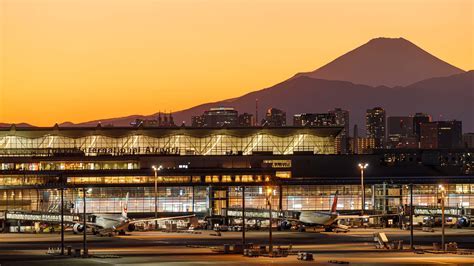
The upgraded codeshare deal is not confined to Australia-Europe traffic alone. It introduces Tokyo Haneda Airport as a new strategic interchange for Air France and Qantas connections. Qantas flights from major Australian cities—Sydney, Brisbane, Melbourne, Darwin, and Perth—will now connect through Tokyo Haneda, a hub that offers fast transfers, exceptional punctuality, and proximity to central Tokyo.
This complements existing interchange options at Singapore Changi and Hong Kong International Airport, adding geographical diversity and redundancy to routing options. For corporate travelers, this opens up multiple efficient corridors depending on itinerary complexity, seasonal pricing, or airline preference.
Loyalty Rewards Elevated to a Premium Tier
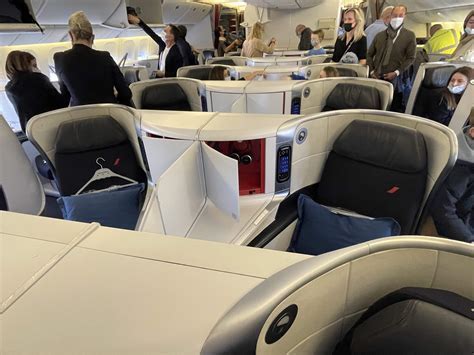
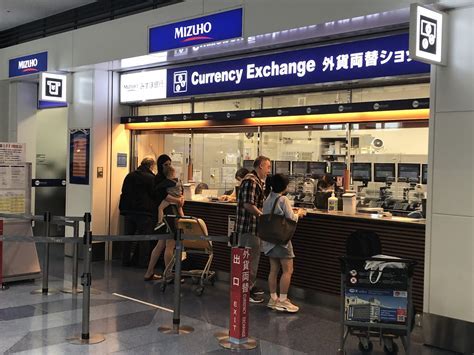
A significant highlight of the expanded agreement is the enhanced integration of frequent flyer benefits, now elevated to premium-tier experiences. Members of Air France-KLM’s Flying Blue loyalty program can now redeem miles for Qantas First Class bookings, opening the door to luxury travel with added value.
For Flying Blue Ultimate cardholders, access to Qantas’ world-renowned First Class lounges becomes a powerful draw, combining exclusivity with comfort. From private dining rooms to spa treatments, this offering dramatically improves the loyalty proposition for high-tier members traveling to or from Australia.
Likewise, Qantas Frequent Flyer members gain expanded opportunities to earn and redeem points on Air France and KLM flights, deepening the loyalty ecosystem and rewarding passengers with greater flexibility, better upgrades, and more booking options. These cross-airline integrations are especially valuable for multinational businesses that depend on seamless international air travel for their executives and partners.
Transformative Impact on Business and Leisure Travel
The codeshare enhancement will reshape business travel patterns between the Southern and Northern hemispheres. With streamlined booking options, shorter connection times, and premium loyalty rewards, the two airline groups are making long-haul business itineraries faster, more convenient, and more lucrative for companies investing in travel.
No longer limited to connecting via London or Frankfurt, Australian business travelers can now fly through Paris, Amsterdam, Singapore, or Tokyo, arriving fresher and faster to European boardrooms. In reverse, European executives can land in Perth, Sydney, or Darwin with minimal fuss and maximum convenience, enabling better productivity and tighter travel schedules.
Tourism too stands to benefit greatly. With direct flights and simplified ticketing, European tourists can explore Australia’s famed coastline and vibrant cities, from Brisbane and Melbourne to the Top End’s Darwin. Likewise, Australians keen to discover Europe’s cultural capitals now enjoy more routing flexibility and streamlined international journeys.
Tokyo Haneda: The Rising Star in Asia-Pacific Connectivity
The addition of Tokyo Haneda as a transit point for Qantas passengers marks a pivotal move. Unlike Narita, Haneda is significantly closer to Tokyo’s business districts, making it a preferred gateway for time-sensitive business travelers. For Air France, this aligns perfectly with its mission to provide smart, convenient connections to and from Europe.
Passengers flying Air France into Haneda can now transition seamlessly to Qantas flights bound for major Australian cities. This means one airline ticket, one check-in, one boarding pass, and a smooth, unified flying experience. The Tokyo addition also cements Japan’s rising role as a key stopover alternative to Southeast Asian hubs like Bangkok or Kuala Lumpur.
Air France-KLM’s Route Expansion Ambitions
This agreement comes on the heels of Air France’s broader global route strategy, which includes new service additions and greater integration within the SkyTeam alliance. By working closely with Qantas, a OneWorld member, Air France-KLM demonstrates strategic pragmatism, focused on mutual customer benefits over alliance boundaries.
The decision to back Qantas’ Perth–Paris route is driven by hard data—consistent passenger volumes, high load factors, and growing demand for Europe–Australia direct flights. In parallel, the agreement underlines Air France-KLM’s Asia-Pacific pivot, with stronger presence in key transit hubs and expanded partnerships that bolster long-haul competitiveness.
Business Travel Optimization: Expert Insights
For executive travelers and travel managers looking to optimize global business travel, the implications of this codeshare expansion are considerable:
- Time Efficiency: Shorter overall flight times and improved transit points reduce fatigue and lost productivity.
- Unified Ticketing: Integrated bookings across Qantas, Air France, and KLM eliminate multiple reservation systems.
- Lounge Access: First-class lounge access enhances pre-flight comfort and networking opportunities.
- Point Maximization: Greater redemption and accumulation potential across both loyalty programs.
- Itinerary Flexibility: Wider route map allows for better adaptation to last-minute changes.
This new landscape empowers business decision-makers to design smarter travel policies, reduce costs associated with overnight stays, and improve employee travel satisfaction across departments.
What to Expect Next: Future Expansion on the Horizon
This isn’t the final phase of collaboration between Qantas and Air France-KLM. As both airline groups continue to monitor performance and market reception, further developments are likely:
- Potential new codeshare routes via hubs like Bangkok, Seoul, or Jakarta.
- Deeper loyalty program synchronization, including elite status matching or bonus mile campaigns.
- Shared digital platforms for real-time status updates, customer support, and dynamic pricing integration.
- Sustainability collaboration, as both carriers invest in SAF (Sustainable Aviation Fuel) and greener flight options.
These possibilities suggest a longer-term ambition beyond commercial convenience—a joint vision of borderless, seamless, and customer-first aviation.
Final Thoughts: A Future-Forward Travel Framework
The expanded codeshare between Air France-KLM and Qantas is more than a tactical route agreement—it is a structural leap forward in how airlines can combine strengths to deliver superior service across continents. From loyalty perks and improved transit hubs to strategic network overlaps, the two carriers are setting a benchmark in modern, customer-centric global aviation.
For the global traveler—whether you’re negotiating a deal in Frankfurt, vacationing along the Gold Coast, or attending a Tokyo summit—this partnership creates a travel experience that is simpler, richer, and more rewarding.