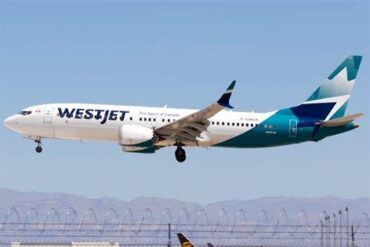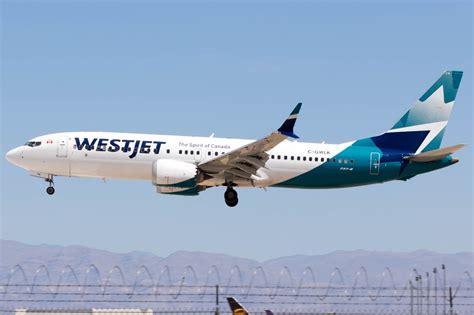
Canada and Mexico have taken a significant leap toward seamless regional connectivity with the expanded codeshare agreement between WestJet and Aeromexico, two powerhouses in their respective aviation markets. The July 2025 announcement marks a strategic development in North American travel, enabling passengers to access over 30 cities across the continent with a single ticket, unified check-in, and baggage integration. This partnership is more than just an operational convenience—it represents a maturing of bilateral air travel rooted in shared commercial vision, rising travel demand, and consumer-centric service models.
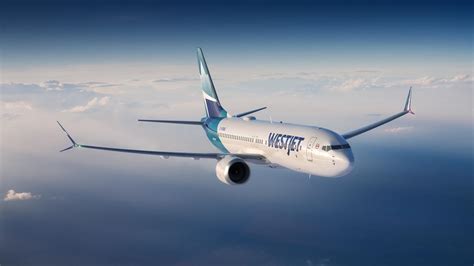
Strengthening Bilateral Travel Across Borders
The codeshare expansion now grants travelers a one-stop gateway between 20 Canadian and 10 Mexican cities, drastically reducing barriers for both business and leisure journeys. For WestJet flyers, destinations such as Cancún, Mexico City, Guadalajara, and Monterrey are now complemented by access to cultural hubs like Oaxaca—a notable new addition. Conversely, Aeromexico customers can reach Canadian locales from coast to coast, including Comox, Cranbrook, Regina, Halifax, and a reinstated St. John’s route.
This enhancement builds on an already solid aviation relationship. WestJet’s dominant position in Canadian–Mexico air travel—cemented by years of route development—makes this expansion a natural evolution. As John Weatherill, Executive Vice-President and Chief Commercial Officer at WestJet, emphasized, this deal underscores the airline’s “intent to grow with purpose and partnership for years to come.”
One Ticket, One Journey: Elevating the Passenger Experience
The integration is designed with the traveler at its core. Under the updated agreement, flyers enjoy:
- Single-ticket booking from origin to final destination
- Seamless baggage transfer across both airlines
- Joint check-in procedures that reduce airport friction
- WestJet Rewards points eligibility throughout the full itinerary
These features are not merely conveniences; they directly address the pain points of multi-leg travel, especially for those unfamiliar with airport transfers, customs processes, or language barriers. The system is designed to minimize missed connections, delays, and the complexity of navigating unfamiliar terminals.

Aeromexico Gains a National Canadian Footprint
With the updated codeshare, Aeromexico gains broad access to secondary and tertiary Canadian cities—many of which serve as gateways to regional economies and tourist experiences. The full list includes:
- Comox, BC
- Cranbrook, BC
- Nanaimo, BC
- Victoria, BC
- Ottawa, ON
- Regina, SK
- Saskatoon, SK
- Halifax, NS
- St. John’s, NL (returning)
These locations expand Aeromexico’s footprint far beyond the Toronto–Vancouver–Montreal triangle. The connectivity will be crucial for linking Mexican travelers to Canada’s growing tech hubs, natural parks, ski resorts, and political centers.
Strategic Positioning in a Rebounding Travel Market
The timing of this expansion is calculated. As post-pandemic air travel demand rebounds across North America, both carriers are aligning their growth strategies with regional resurgence. Leisure travel has surged, and so has business aviation, particularly between Mexico’s industrial corridors and Canada’s energy and academic sectors.
For WestJet, this means extending its leadership as Canada’s foremost airline to Mexico—a title it holds by volume and frequency. The deeper codeshare gives WestJet competitive edge not just in popular holiday destinations but also in cultural and secondary urban centers, which are rising in popularity among global travelers.
For Aeromexico, the agreement serves as a hedge against overdependence on U.S. traffic. Canada represents a growing share of Mexico’s tourism and business travel markets, amplified by frameworks like CUSMA (formerly NAFTA) and increasing student exchanges.
Halifax, Oaxaca, and Calgary: Symbols of the New Network
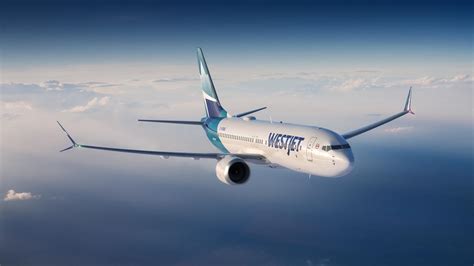
Three cities underscore the depth of this deal: Halifax, Oaxaca, and Calgary. Halifax, a key port city on Canada’s Atlantic coast, offers Aeromexico flyers direct access to Eastern Canada’s maritime culture and growing innovation economy. Oaxaca, known for its indigenous traditions and UNESCO-listed sites, broadens the cultural appeal for Canadian tourists beyond beach resorts. Calgary—WestJet’s headquarters and a major energy and finance center—solidifies its role as a hub for outbound Mexican travel.
Each of these destinations represents not just a location, but a demographic and commercial opportunity: retirees, students, SMEs, and cultural tourists now enjoy better access to a diverse spread of destinations that would previously require multiple layovers and airlines.
A Model of Multinational Airline Synergy
The new WestJet–Aeromexico codeshare is more than an operational partnership—it is a case study in multinational airline synergy. Both carriers maintain distinct brand identities while aligning operational systems to deliver shared value. The codeshare is backed by:
- Synchronized digital booking platforms
- Aligned loyalty programs
- Shared terminal operations at key airports
- Integrated customer service protocols
Such cooperation is essential in the new era of travel, where consumers demand both hyper-efficiency and high personalization. The alliance also satisfies larger policy goals, including sustainable mobility, carbon efficiency via direct routes, and economic integration.
Future Implications: From Codeshare to Deeper Alliance?
While the current agreement is structured as a codeshare, industry analysts speculate it may evolve into a joint venture or alliance membership over time. This would mirror similar relationships in other regions where national carriers band together under common commercial umbrellas. Given the success of Air France–KLM, Delta–LATAM, or even Qantas–Emirates, a deeper WestJet–Aeromexico tie-up could be a natural next step.
Such a move could streamline pricing, unlock trans-Pacific and trans-Atlantic integrations, and support airline resilience in volatile economic cycles. For now, however, the codeshare offers substantial benefits on its own, and its real-world impact will be watched closely by competitors and regulators alike.
Passenger-Centric Air Travel for the North American Future
This deal does not just enhance business competitiveness—it delivers a better experience for the traveling public. In a world where air travel can often feel fractured, impersonal, and riddled with delays, the WestJet–Aeromexico expansion offers a blueprint for restoring trust and ease to cross-border movement.
The unified experience, broader access to regional destinations, and reduced travel friction make this more than a commercial agreement. It’s a commitment to building a truly integrated North American airspace.
As travelers book their tickets and explore new parts of each country with unprecedented simplicity, this partnership will stand as an example of how strategic cooperation can elevate an entire continent’s travel landscape.