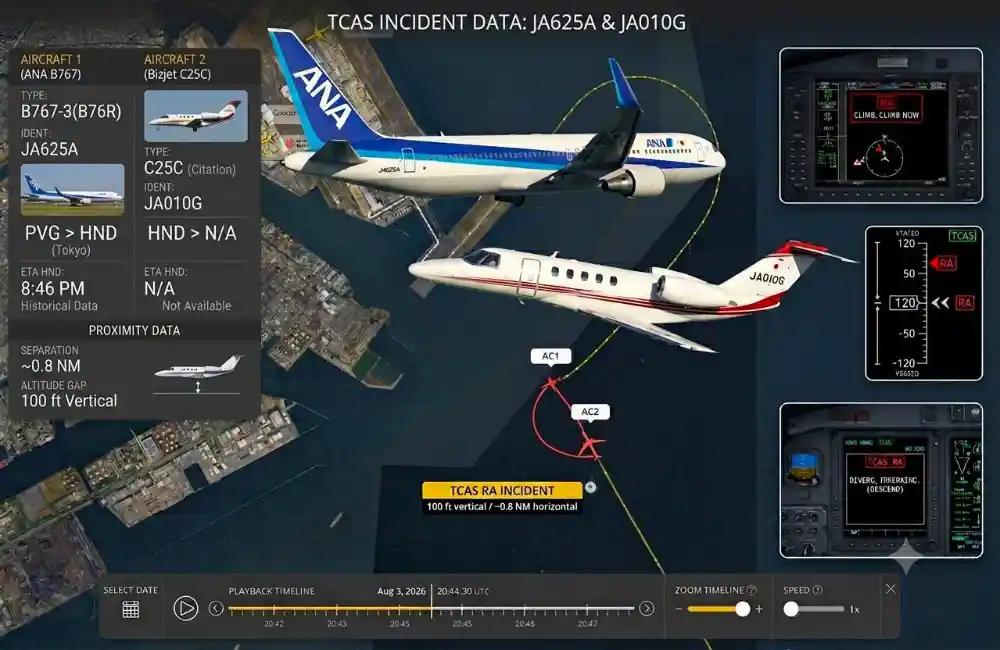
ANA Boeing 767 and Japan Aviation Bureau Inspection Aircraft Come Within 70 Feet at Haneda
Tokyo Haneda Airport (HND) narrowly avoided another serious aviation incident after an All Nippon Airways (ANA) Boeing 767 and a Japan Civil Aviation Bureau (JCAB) Cessna Citation CJ4 flight inspection aircraft came dangerously close during morning operations. The two aircraft passed within approximately 70 feet (20 meters) of each other while operating near the airport’s approach airspace, creating a high-risk situation that required immediate action from both flight crews and air traffic controllers.
The incident involved ANA Flight NH968, operating from Shanghai Pudong International Airport (PVG) to Tokyo Haneda, and a JCAB aircraft conducting a scheduled navigation inspection mission. Although both aircraft ultimately landed safely, the near miss has attracted significant attention because it occurred at one of the world’s busiest airports and followed heightened safety concerns after the fatal runway collision at Haneda in January 2024.
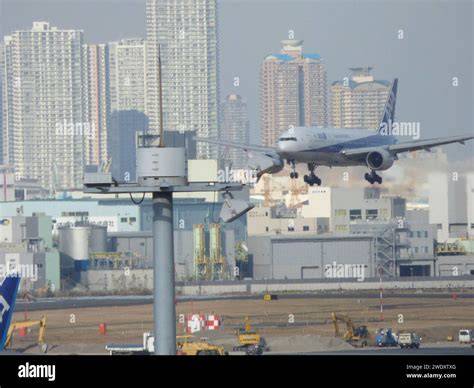
The close encounter occurred during the most critical phase of flight: the final approach and climb-out environment around Haneda. According to flight tracking data, the ANA Boeing 767-300, registered JA626A, was approaching Runway 34R after completing its overnight flight from China. At nearly the same time, the JCAB-operated Cessna Citation CJ4, registered JA010G, had departed Haneda to perform an aviation safety inspection mission.
The two aircraft converged near 1,000 feet altitude, placing a large commercial widebody aircraft and a smaller business jet on conflicting flight paths. The situation developed rapidly, leaving only seconds for automated systems and human decision-making to prevent a potential catastrophe.
TCAS Resolution Advisory Prevented a Potential Disaster
The most critical moment came when the ANA crew received a Traffic Collision Avoidance System (TCAS) Resolution Advisory (RA). This automated warning system is designed as the final airborne defense against midair collisions, instructing pilots to immediately change altitude when another aircraft is predicted to enter dangerously close proximity.
The ANA pilots reported receiving a TCAS RA and responded by following the aircraft’s automated collision-avoidance guidance. Flight tracking information indicated that the Boeing 767 initiated a climb, moved away from its original approach path, and banked right before eventually returning to land approximately 15 minutes later.
The JCAB Citation CJ4 also reacted to the developing situation. The aircraft temporarily stopped its climb and descended to around 900 feet, passing beneath the ANA aircraft before continuing its scheduled inspection flight over Tokyo Bay.
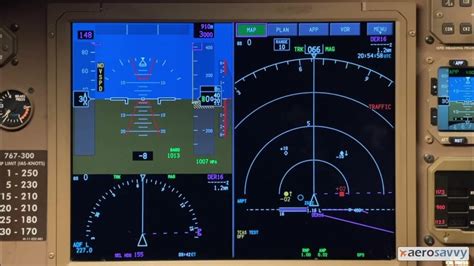
The successful response demonstrated the importance of layered aviation safety systems. Modern commercial aviation relies not only on air traffic controllers but also on onboard technology such as TCAS, which provides pilots with an independent warning mechanism when separation between aircraft becomes dangerously small.
Without the TCAS alert and rapid crew response, the situation could have developed into a catastrophic midair collision similar to several previous aviation accidents involving aircraft approaching airports.
Why Was the JCAB Cessna Citation CJ4 Flying Near Haneda?
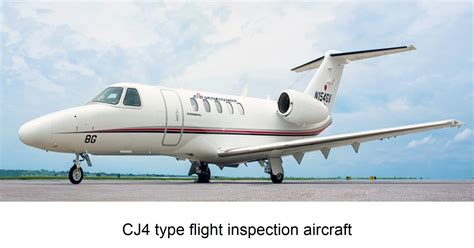
The aircraft involved was not operating a normal passenger flight. The Japan Civil Aviation Bureau flight inspection aircraft plays a specialized role in maintaining Japan’s aviation infrastructure.
Flight inspection aircraft are responsible for verifying that airport navigation systems function correctly and meet required safety standards. These missions involve flying precise routes around airports to test equipment used by commercial aircraft every day.
The JCAB Citation CJ4 was conducting checks on critical systems, including:
- Instrument Landing System (ILS) accuracy used during low-visibility approaches
- Approach lighting systems that guide aircraft toward runways
- PAPI and visual glide path indicators
- VOR/DME navigation signals
- RNAV and GNSS approach procedures
- Airport lighting and runway guidance equipment
Because flight inspection aircraft must intentionally fly unusual patterns, including simulated approaches, departures, and missed approaches, their operations require extremely careful coordination with air traffic controllers.
The irony of this incident is that the JCAB aircraft was performing a mission designed to improve aviation safety when it became involved in a serious safety event itself.
Haneda Airport Faces Renewed Safety Scrutiny After Previous Collision
The near miss will receive additional attention because Haneda Airport remains under close examination following the January 2024 runway accident involving a Japan Airlines Airbus A350 and a Japan Coast Guard Dash 8 aircraft.
That disaster occurred when the two aircraft collided on Runway 34R after landing operations, resulting in fatalities aboard the Coast Guard aircraft and the destruction of the JAL widebody jet. The accident led Japanese aviation authorities to introduce additional runway safety measures, including improved controller monitoring, revised procedures, and enhanced technology.
The latest incident is different because it occurred in the air rather than on the runway. However, investigators will still examine whether weaknesses existed in communication, coordination, aircraft sequencing, or air traffic control procedures.
The fact that two aircraft came within only 70 feet of each other at a major international airport will likely prompt a detailed review of radar data, controller instructions, pilot communications, and aircraft movements.
Investigators Will Examine Human Factors and Airspace Management
Aviation safety investigations rarely focus on a single mistake. Instead, investigators analyze the chain of events that allowed a dangerous situation to develop.
Authorities are expected to examine several key questions, including whether both aircraft received correct instructions, whether those instructions were properly understood, and whether existing separation procedures were sufficient for Haneda’s complex operating environment.
The incident also highlights the challenges faced by airports with extremely dense traffic. Haneda handles hundreds of daily arrivals and departures while operating in restricted airspace near Tokyo Bay, requiring precise coordination between airlines, government aircraft, and controllers.
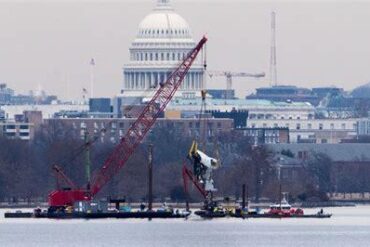
Similar concerns emerged after the 2025 collision between an American Airlines regional aircraft and a military helicopter near Ronald Reagan Washington National Airport, where a final approach conflict resulted in a fatal accident. Although the circumstances differ, both events demonstrate the risks created when multiple aircraft operate close together near busy airports.
A Serious Warning for One of the World’s Busiest Airports
No aircraft was damaged and no passengers were injured in the Haneda near miss, but the event serves as a reminder that aviation safety depends on multiple layers working together. The ANA crew’s response, the JCAB pilot’s actions, air traffic control intervention, and TCAS technology combined to prevent a possible tragedy.
For Tokyo Haneda Airport, the incident represents another major safety challenge at a time when authorities are already working to strengthen operational reliability. The investigation will determine why separation standards were not maintained and whether additional improvements are needed.
While the outcome was positive, the fact that a Boeing 767 and a flight inspection aircraft came within just 70 feet of each other shows how quickly normal airport operations can turn into an emergency. In modern aviation, preventing accidents often depends on seconds, technology, and highly trained professionals making the correct decisions under extreme pressure.