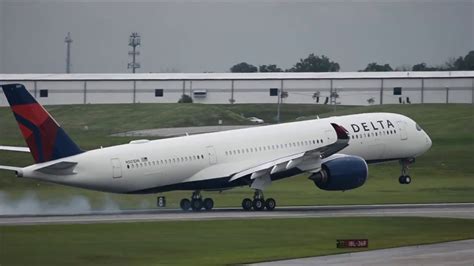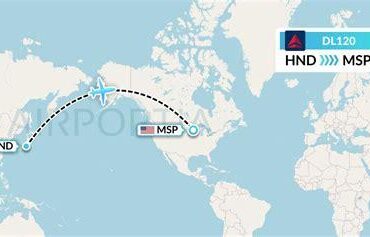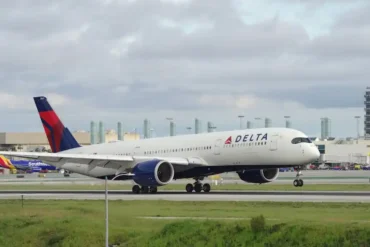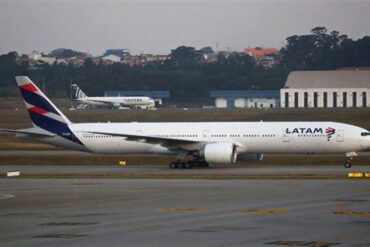
On June 29, 2025, Delta Air Lines flight DL120, scheduled to depart from Tokyo Haneda Airport (HND) bound for Minneapolis–Saint Paul International Airport (MSP), encountered a dramatic and unexpected halt on the runway. As the Airbus A350-900 accelerated for takeoff, a sudden hydraulic failure forced pilots to slam the brakes and abort the departure in a tense and rapid decision that immediately threw the airline and its passengers into disarray.
Hydraulic Malfunction Triggers Emergency Response
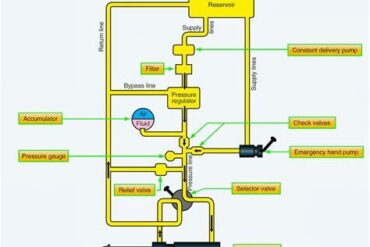
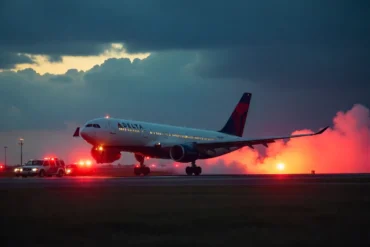
The aircraft, registered as N501DN, had taxied into position and was moments away from leaving the ground when cockpit indicators alerted the flight crew to a critical hydraulic systems anomaly. With safety hanging in the balance, the pilots aborted the takeoff roll and guided the aircraft off the active runway to a designated hardstand position, far from the terminal gates.
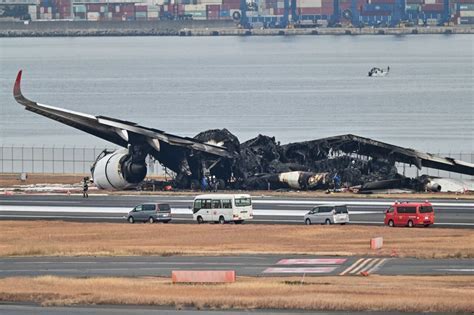
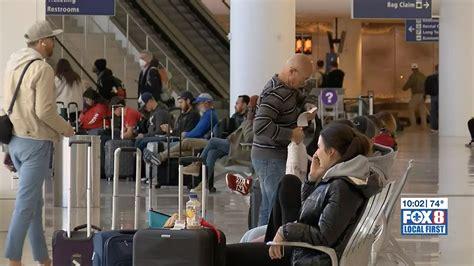
The response on the ground was immediate. Maintenance crews mobilized to inspect the hydraulic system, while inside the aircraft, uncertainty spread among passengers. Families, business travelers, and tourists, all with destinations across the U.S., were suddenly left waiting in limbo.
Time Becomes the Enemy Amid Mounting Pressure
With passengers still onboard and the aircraft parked, Delta’s Tokyo ground operations worked against the clock. The hydraulic fault, according to insider reports, was traced and resolved within hours. However, the aircraft’s delay caused an entirely new problem to emerge—weight and balance limits.
The A350-900, built for long-haul intercontinental flights, demands precise weight calculations for safe operations. With fully loaded cargo bays, maximum fuel onboard for the Pacific crossing, and a full passenger manifest, the numbers no longer aligned with safety parameters. Simply put, the aircraft was now too heavy to safely take off within the given runway and weather conditions.
The Unsolvable Weight Puzzle
Weight distribution is not just arithmetic—it’s aviation physics. Post-repair, Delta engineers explored every option: offloading cargo, seeking volunteer passengers to delay travel, even rerouting freight. But each plan introduced fresh complications. Every kilogram mattered.
Passengers, exhausted from hours of uncertainty, faced repeated delays as Delta tried to engineer a workable plan. Ultimately, with no safe or logistically feasible solution available, Delta made the difficult decision to cancel flight DL120.

Disruption Reverberates Across the Atlantic Network
The impact of DL120’s cancellation was far-reaching. Many travelers were using Minneapolis as a hub to connect to destinations such as Boston, Atlanta, Denver, and Los Angeles. One aircraft’s grounding cascaded into rebookings, missed connections, and a ripple of scheduling conflicts across Delta’s transpacific operations.
To add to the complexity, N501DN had recently experienced another cancellation—on the Los Angeles to Paris route—just days earlier. The recurrence raised concerns over aircraft reliability and the increasing strain on long-haul fleet availability during peak summer travel.
Delta’s Swift Recovery Strategy
Faced with a customer service crisis, Delta enacted its emergency recovery protocols. Passengers were deboarded and directed to the terminal where Delta agents coordinated hotel accommodations, meal vouchers, and financial compensation.
- Passengers were provided JPY30,000 hotel stipends, usable at partner or independent hotels.
- JPY5,000 meal vouchers ensured travelers were fed during their extended stay.
- Delta offered $800 e-credits to affected passengers, with some receiving reimbursement for out-of-pocket expenses even before departing Tokyo.
In select cases, passengers were rebooked on alternative routes, including via Los Angeles and Seattle, with upgrades to Delta One offered when available. One traveler bound for Boston Logan International Airport reported being rerouted through Haneda–LAX–BOS, arriving with minimal delay.
The Delicate Dance of Global Aviation Logistics
What DL120’s aborted takeoff reveals is the fragility of international airline operations. From one mechanical fault arises a chain of decisions involving aircraft weight management, regulatory compliance, and passenger logistics.
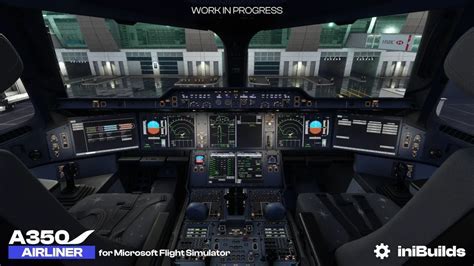
The A350-900, though one of the most advanced aircraft in Delta’s fleet, operates at the intersection of precision and pressure. On long transpacific legs, fuel needs can tip an aircraft dangerously close to its maximum takeoff weight. Add in heavy cargo and a full passenger load, and even a minor delay can push operations beyond safe limits.
Industry-Wide Lessons From Tokyo
This high-profile incident has not gone unnoticed. Aviation analysts and airline executives are closely monitoring how Delta’s crisis was handled and what it means for broader fleet management strategies. There are unspoken concerns about:
- Over-reliance on aging long-haul aircraft.
- Escalating mechanical strain during summer peak season.
- The thin margin between operational excellence and disruption.
Airlines are now re-evaluating fleet contingency planning and how quickly ground support can pivot in global hubs like Tokyo.
Passenger Experience Reimagined in Real Time
For passengers onboard DL120, what began as a simple takeoff turned into a crash course in aviation logistics. However, many acknowledged Delta’s response as empathetic, transparent, and proactive.
The combination of real-time text updates, personalized rebooking, and financial goodwill gestures soothed what could have been a major reputational blow. This mirrors a growing industry trend where recovery response—not the failure itself—defines public perception.
Preparing for the Unexpected: Advice for Future Travelers
DL120 is a reminder that even state-of-the-art jets are not immune to real-world limits. Travelers can mitigate stress from such disruptions by adopting a few essential strategies:
- Always leave buffer time between critical connections.
- Pack essentials (medications, chargers, documents) in carry-ons.
- Enroll in airline apps and real-time alert systems.
- Consider travel insurance for complex or high-stakes itineraries.
When selecting a carrier, it’s also wise to favor those with strong reputations for customer service recovery—a domain where Delta has shown consistent strength.
Final Takeoff Delayed—But Confidence Not Grounded
Delta’s Tokyo Haneda drama is a textbook example of modern air travel’s complexity. It’s a story that underscores how hydraulic lines, weight margins, and global network planning are intimately connected.
While DL120 never left the runway, Delta’s swift handling of the situation ensured that passengers still found their way home, and with fewer scars than one might expect.
As the summer travel season surges forward, this event stands as both a cautionary tale and a case study in excellence. In aviation, where even a single decision carries sky-high stakes, Delta Air Lines proved that grounded doesn’t have to mean defeated.