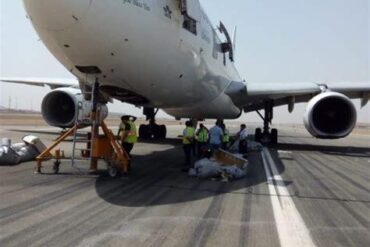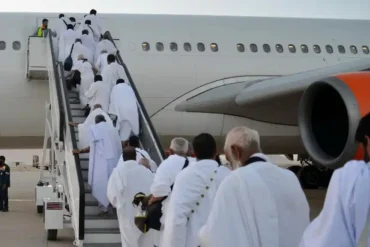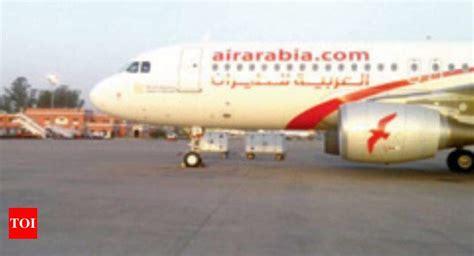
In a chilling reminder of aviation’s ever-present risks, a Saudi Airlines flight from Jeddah narrowly averted a catastrophe during its landing at Lucknow Airport on Sunday morning. Flight SV3112, carrying 250 Hajj pilgrims, encountered a serious technical failure as it touched down at approximately 6:30 a.m. Sparks and smoke burst from the landing gear, triggering panic inside the cabin and an immediate emergency response on the runway. This close call has jolted travelers, airline officials, and airport authorities alike, spotlighting the critical importance of aircraft maintenance, runway readiness, and emergency response preparedness—especially during peak religious travel periods like Hajj.
Hydraulic System Failure Triggers Emergency
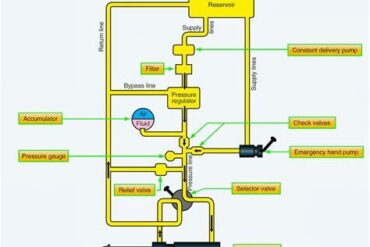
The flight had departed from Jeddah the previous night at 10:45 p.m., fully loaded with passengers embarking on their sacred pilgrimage to Mecca. But their return journey was far from serene. As the Boeing aircraft made its final descent over the northern Indian city of Lucknow, an apparent hydraulic leak compromised the landing gear system. The result was immediate: grinding friction, sudden bursts of sparks, and smoke billowing as wheels hit the tarmac. Pilots managed to slow the aircraft quickly, bringing it to a stop while taxiing, avoiding a full-scale runway disaster. Meanwhile, Lucknow Airport’s fire and rescue teams sprang into action, reaching the aircraft within moments.
No Injuries, But Safety Concerns Intensify
Thankfully, no injuries were reported. All pilgrims and crew onboard disembarked safely, but the emotional toll and potential for disaster cannot be understated. The hydraulic failure now under investigation could have led to catastrophic consequences if not for the swift actions of the flight crew and ground personnel. For many onboard, it was not just a technical issue—it was a terrifying moment of helplessness at the end of a deeply spiritual journey. This incident has once again raised vital concerns over safety standards, especially for charter or seasonal flights ferrying pilgrims, which often operate on tight turnarounds and under immense pressure during religious travel surges.
Peak Hajj Season Adds Layers of Pressure
June marks the peak of Hajj travel, with millions of pilgrims flying in and out of Saudi Arabia. Airlines worldwide ramp up capacity, while airports across India and the Middle East experience a sharp increase in air traffic. These high-demand conditions place additional stress on aircraft, crew, and infrastructure. Flight SV3112’s emergency underscores how fragile the balance of safety and efficiency can be during this critical time. Moreover, Lucknow Airport, one of the busiest in northern India during Hajj season, now faces increased scrutiny. Emergency protocol performance, equipment reliability, and runway safety metrics will all likely come under review in the aftermath of this incident.
Travel Sector Braces for Repercussions
The airline industry and tourism stakeholders across India and Saudi Arabia are taking note. The incident may prompt increased inspections of aircraft used in pilgrimage charters. It may also influence future route planning, ground handling strategies, and government-level aviation policy. Tour operators and travel agents managing Hajj packages could see a surge in safety-related inquiries from concerned families. Pilgrimage travel insurance providers may reassess coverage risks. Meanwhile, civil aviation authorities are expected to issue technical advisories and possibly enforce more rigid operational checks.
Public Confidence Wavers, Aviation Policy Under Watch
For travelers—especially those flying during emotionally significant journeys—this incident is deeply unsettling. While trust in modern aviation remains high, back-to-back scares across airports in South Asia and the Middle East are raising alarm. India’s Directorate General of Civil Aviation (DGCA) may soon push for updated regulatory compliance related to hydraulic systems, particularly for long-haul aircraft flying during high-density religious seasons. Saudi Arabia’s aviation ministry, too, will be watching closely, as public safety perception affects its ambitious goals to become a major transit hub for Asia-bound traffic and religious tourism under its Vision 2030 initiative.
A Moment of Relief, A Wake-Up Call for the Future
Although all passengers walked away safely from Flight SV3112, the message is clear: safety in aviation is never to be taken for granted. Each component, each landing, and each decision made mid-flight can alter hundreds of lives. Pilgrims on board had just completed one of the most sacred journeys of their lives—only to be met with sparks and smoke instead of calm and closure. For them, and for the thousands preparing to fly next, the emotions are raw and real. As the travel industry accelerates post-pandemic recovery, especially in high-risk, high-density seasonal corridors, maintaining strict technical oversight is not just a best practice—it’s a necessity.