The Federal Aviation Administration (FAA) is proposing a major change to airline medical equipment regulations by replacing a strict 64-item checklist with a more flexible performance-based standard. The move follows a detailed review of tens of thousands of in-flight medical incidents and aims to reduce operational disruptions while maintaining passenger safety.
The proposed change comes after the FAA and researchers from Duke University analyzed approximately 77,000 in-flight medical emergencies. The findings showed that serious medical events requiring treatment after landing were relatively uncommon, with fewer than 10% of cases involving a need for medical attention on the ground. Most situations occurring onboard aircraft involved minor injuries that could be treated with basic medical supplies.
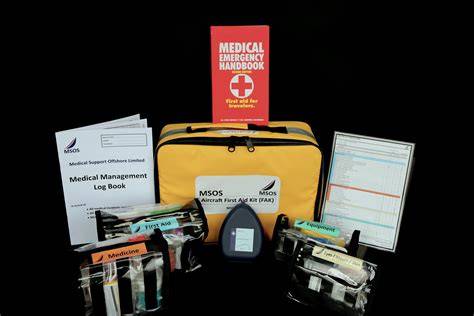
FAA Replaces Fixed Medical Kit Checklist With Flexible Standards
For decades, airlines operating under FAA regulations have been required to carry specific medical supplies listed in a detailed checklist. While the system was designed to ensure consistency, it also created operational challenges when airlines lacked a single required item, even if alternative supplies were available.
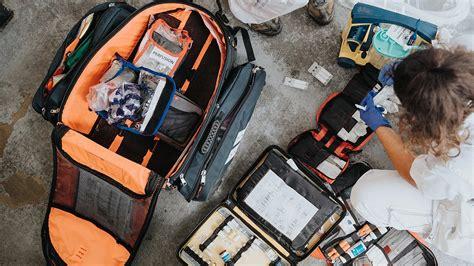
Under the proposed approach, airlines would no longer need to follow an exact list of medications and equipment. Instead, carriers would be required to demonstrate that their onboard medical kits can effectively respond to nine specific emergency categories.
These emergencies include cardiac events, breathing problems, opioid overdoses, severe allergic reactions, major bleeding, seizures, hypoglycemia, gastrointestinal emergencies, and childbirth. Airlines would still be required to carry an automated external defibrillator (AED), recognizing its critical role in treating life-threatening heart conditions.
The FAA’s proposed rule reflects a broader shift in aviation regulation toward performance-based standards. Rather than requiring airlines to follow one rigid solution, regulators are focusing on whether operators can achieve the intended safety outcome.
Research Shows Most In-Flight Medical Events Are Minor
The policy review was supported by research examining airline medical incidents involving millions of passengers. A 2025 study analyzing data from 84 airlines and more than three billion travelers found that fewer than 0.50% of passengers required first aid during flights.
More than 90% of those cases involved relatively minor issues, including sprains, strains, and other injuries that could typically be managed with simple medical supplies. The research helped shape recommendations from the Aerospace Medical Association, which supported moving toward a more adaptable medical kit standard.
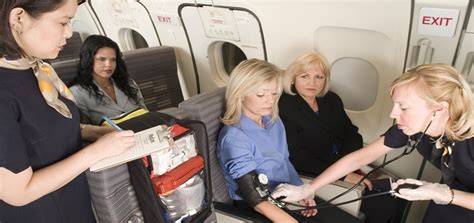
The findings highlight a key challenge for modern aviation: regulations must provide strong safety protections without creating unnecessary operational obstacles. A missing medical item that has little practical impact can still delay aircraft departures under a strict checklist system.
For airlines operating thousands of flights daily, even small delays can create significant consequences. A grounded aircraft affects passenger connections, crew schedules, airport operations, and overall network reliability.
Reducing Supply Chain Risks Across the Airline Industry
The FAA’s proposed change also addresses growing concerns about supply chain reliability. Medical products can become difficult to obtain due to manufacturing issues, shortages, or changes in available treatments. Under the current system, replacing a missing item may require administrative approval before an aircraft can legally depart.
The new standard would allow airlines to adapt their medical supplies more quickly. Carriers could choose appropriate alternatives based on current medical practices while still meeting FAA safety requirements.
This flexibility is especially important in a global aviation environment where airlines depend on consistent aircraft utilization. A modern commercial aircraft represents a significant financial asset, and unexpected delays caused by non-critical shortages can quickly affect an entire operation.
The aviation industry increasingly emphasizes operational resilience, which means creating systems that continue functioning during disruptions. A flexible medical kit policy supports that goal by reducing unnecessary dependencies while preserving essential emergency capabilities.
Maintaining Passenger Safety While Improving Efficiency
The proposed FAA regulation does not reduce the importance of onboard medical preparedness. Instead, it changes the method airlines use to achieve that goal. The focus moves from carrying every specified item to ensuring crews have the tools and training needed for realistic emergency scenarios.
Airlines would gain more freedom to update medical supplies as healthcare practices evolve. New treatments, improved equipment, and changing medical recommendations could be adopted without waiting for lengthy regulatory updates.
For passengers, the difference would likely be invisible. Emergency medical equipment would remain available, flight crews would continue receiving medical training, and critical resources such as AEDs would remain mandatory.
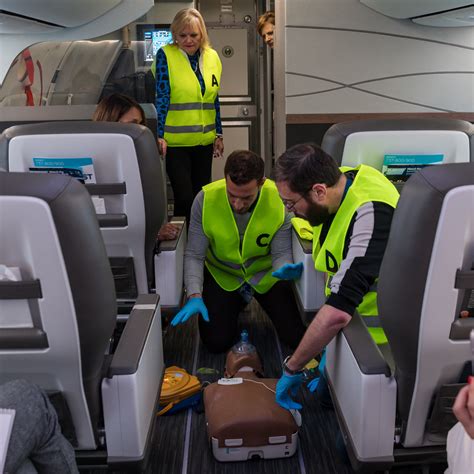
The FAA believes the updated approach can strengthen both safety and reliability. By removing unnecessary administrative barriers while keeping clear performance requirements, airlines can respond faster to medical challenges and maintain smoother operations.
The proposed transition from a 64-item checklist to a performance-based medical standard represents a broader evolution in aviation regulation. As aircraft systems become more advanced and airline networks become more complex, regulators are increasingly looking for solutions that protect passengers while allowing operators to adapt.
This balance between safety, flexibility, and efficiency could become a model for future aviation policies where achieving the right outcome matters more than following a fixed process.