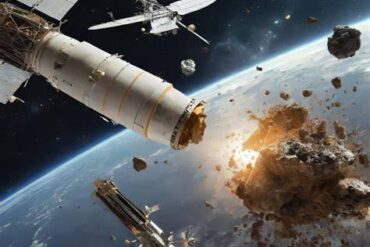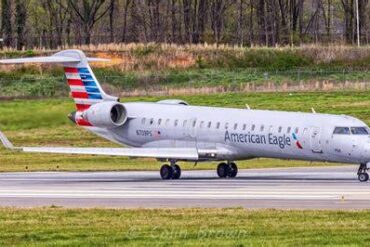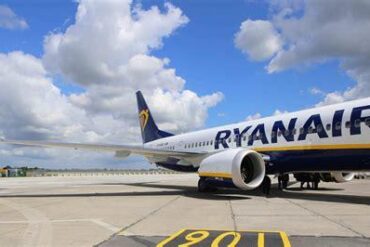
The skies above commercial aviation are getting busier in a way that would have sounded like science fiction a decade ago. In early January 2026, the Federal Aviation Administration (FAA), alongside the U.S. Department of Transportation, issued a formal Safety Alert for Operators urging airlines and cargo carriers to factor space debris and launch-related hazards into routine flight planning. This guidance reflects a changing aerospace environment where rockets, satellites, and passenger jets increasingly share overlapping corridors of the atmosphere.
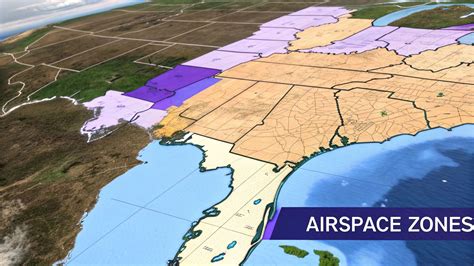
The FAA’s message is precise and practical. As commercial and government space launches accelerate, airspace disruptions are no longer rare edge cases. Launch anomalies, falling debris, and emergency airspace closures can affect flight paths with little notice. Air Traffic Control already implements temporary flight restrictions during launches, but airlines are now being urged to integrate these possibilities directly into dispatch planning, fuel calculations, and contingency routing.
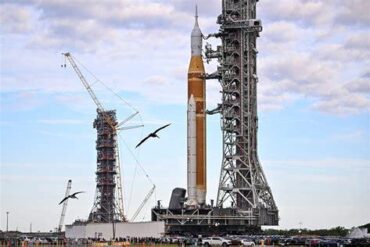
Despite the dramatic headlines, this is not about pilots dodging flaming wreckage midair. The reality is procedural rather than cinematic. Airlines coordinate with launch providers such as SpaceX, federal agencies including NASA, and FAA controllers to ensure aircraft are kept well clear of designated hazard zones. When launches occur, aircraft may be rerouted hundreds of miles away, often at cruise altitude, long before any debris could pose a threat.
Why Space Debris Planning Became Urgent
The timing of the FAA warning is tied to sheer volume. The number of orbital launches and satellite deployments has surged, driven by broadband constellations, national security missions, and private-sector innovation. Each launch introduces temporary risk windows where airspace must be protected, even if the probability of debris reaching flight levels remains extremely low.
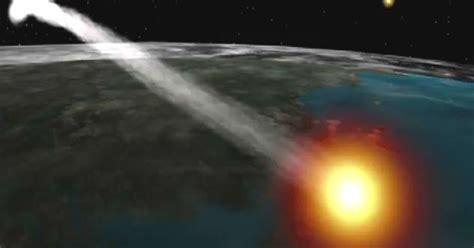
This shift was underscored by a January 2025 incident involving a failed SpaceX launch in Texas, later detailed by ProPublica. While no aircraft were struck, debris fields forced widespread rerouting over the Caribbean, disrupting flights around Cuba, Haiti, and the Dominican Republic. The event exposed how a single anomaly can ripple across international air traffic networks.
How Airlines Are Adapting Flight Operations
Airlines are responding by embedding space launch intelligence into dispatch systems. Flight planners now monitor launch schedules alongside weather, geopolitical risks, and NOTAMs. Routes may be adjusted preemptively, reducing last-minute diversions that burn fuel and cascade into delays across global schedules.
This coordination also highlights a deeper evolution in aviation risk management. For decades, hazards were largely terrestrial: storms, volcanic ash, or mechanical failures. Space activity introduces a vertical dimension of risk, extending far above traditional airspace but still capable of influencing it.
A Low-Probability Risk With High-Impact Consequences
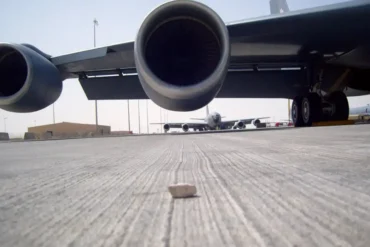
To date, there are no confirmed cases of commercial aircraft being struck by space debris. The FAA is clear that existing safeguards are effective. However, aviation operates on prevention, not probability alone. Even rare disruptions can have outsized economic and safety implications when thousands of flights are involved.
By urging airlines to plan ahead, the FAA is acknowledging a simple truth: space is no longer separate from aviation. As launches become routine, space traffic management and air traffic management are converging, reshaping how airlines think about the skies they navigate every day.