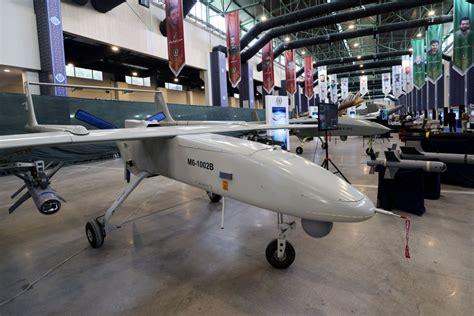
Last week, Ukrainian defense analysts uncovered alarming evidence from the wreckage of a downed drone that signaled a significant shift in Russia’s airborne warfare capabilities. Amid the debris left by another nocturnal assault, a uniquely designed white drone emerged — unlike the standard black Shaheds that Ukrainian forces have grown used to intercepting. What lay inside this drone has raised serious concerns across defense communities: advanced Iranian technology, anti-jamming units, and an AI-powered computing system capable of remote piloting from within Russia itself.
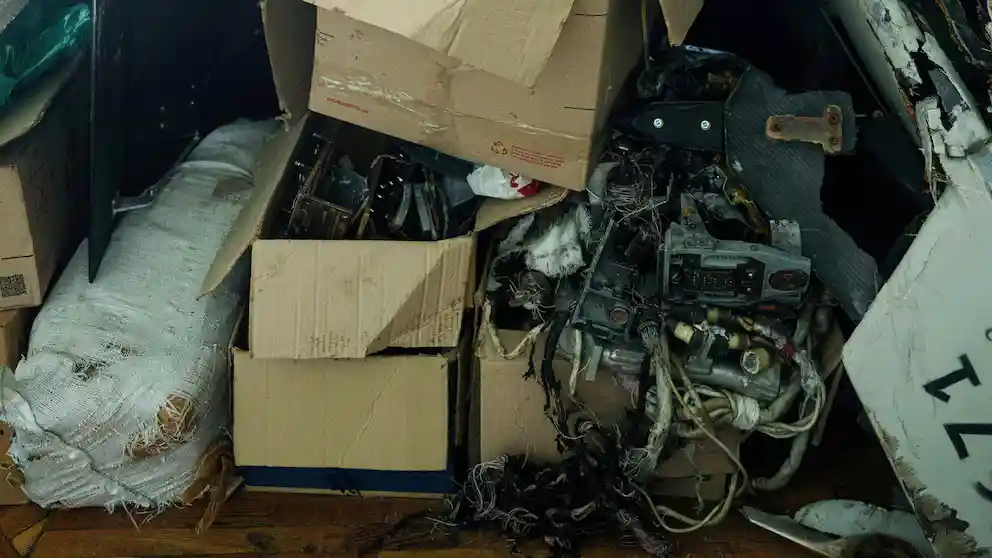
The markings within the drone didn’t correspond with typical Russian manufacturing standards. Instead, the labeling system bore the hallmarks of Iran’s defense industry — English-language tags similar to those found on previous Iranian drones, suggesting a direct or indirect sale to Russia for live combat testing. Ukrainian electronics expert Serhii Beskrestnov, known by the alias “Flash,” confirmed the layout aligned with Iranian standards, with no conventional Russian identifiers.
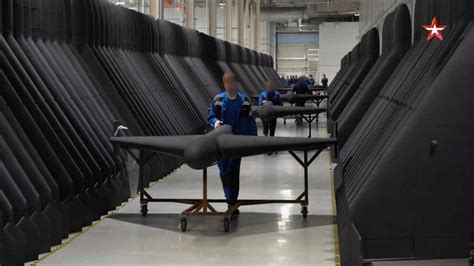
This revelation underscores the evolving partnership between Russia and Iran. Since late 2022, Moscow has integrated Iranian Shahed drone models into its arsenal, transitioning from importing to full-scale domestic production. The Alabuga facility in Tatarstan became ground zero for this transformation after a $1.7 billion deal with Tehran facilitated the delivery of disassembled drones and related technical blueprints. Russian engineers soon began modifying and upgrading the drones, leading to the deployment of more deadly and versatile variants.
Russia’s Drone Evolution: From Import to Innovation
Initially, Russia’s drone strategy relied heavily on purchasing and reassembling Iranian models. These rudimentary designs, while effective in volume, lacked accuracy and adaptability. But by early 2023, the game changed. Alabuga specialists retrofitted the Shaheds with high-resolution cameras, more powerful warheads, and advanced flight software. One such operation, codenamed Operation False Target, used decoy drones to mislead Ukrainian defenses while actual attack drones slipped through and struck key locations.
Among the most alarming upgrades was the introduction of thermobaric payloads, which create devastating pressure blasts capable of collapsing lungs and causing severe internal injuries. Leaked documents and expert assessments confirmed that Russia also experimented with jet-powered versions of the Shahed, leveraging propulsion systems identical to those found in Iranian cruise missiles. Although these high-speed drones are expensive — especially when powered by Iran’s proprietary jet engines — cheaper Chinese alternatives have been tested, potentially lowering deployment costs in future operations.
Anti-Jamming Breakthroughs: Iran’s New Electronic Edge
The most recent drone found in Ukraine may represent a paradigm shift in electronic warfare. Beskrestnov identified an Iranian-made anti-jamming unit embedded within the drone’s architecture. Unlike older models, which were prone to losing navigation or drifting aimlessly when communication was severed, this drone featured eight antennas — twice the usual number — significantly enhancing its resilience against Ukraine’s electronic countermeasures.
This configuration, never before seen on drones active in the Ukrainian conflict, mirrors components found in Iranian missiles supplied to Houthi militias in Yemen. Its inclusion hints at a concerted effort by Tehran to export more sophisticated war-fighting tools, despite growing international scrutiny.
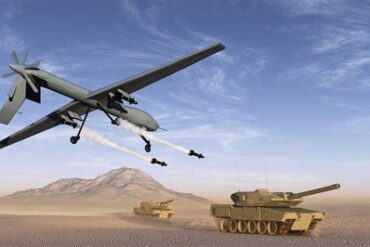
The radio link capability is perhaps the most strategic upgrade. Operators inside Russia can now dynamically reroute drones in real-time, altering targets mid-flight and coordinating multiple drones simultaneously. Previous iterations of the Shahed lacked this agility; they were programmed with a single path, often circling endlessly if jammed or misdirected. The real-time communications backbone now turns them into remotely piloted precision strike assets.
Artificial Intelligence Onboard: A New Frontier in Drone Warfare
Embedded within the drone was also an AI-powered computing module — a sophisticated feature that elevates its autonomy and threat level. If communications are jammed, the drone can switch to autonomous mode, using AI to navigate and find alternative targets. This capacity is reminiscent of Ukraine’s own AI-driven strikes under Operation Spiderweb, which inflicted damage deep within Russian territory, targeting high-value assets like strategic bombers.
This technology, though expensive, offers Moscow the ability to target critical infrastructure, such as electrical grids and communications hubs, even in highly contested airspace. The intelligence community believes that this capability is a strategic tool to further degrade Ukraine’s national resilience without risking direct aerial engagement.
Tactical Shift: Swarm Attacks and Decoy Waves
Russia has not only improved the technology behind its drone strikes but also evolved its tactical doctrine. Instead of relying solely on massed drone waves, Moscow now employs a blend of high-altitude and low-altitude attacks, often in conjunction. This layered approach complicates detection and response, especially when drones dive-bomb targets or clear paths for incoming cruise missiles.
Recent Ukrainian Defense Ministry data confirms an alarming trend: drone strike accuracy has increased sharply in recent months. While in November 2024 only 6% of drones reached their targets, by June 2025 that number surged to 16%, with some nights witnessing a success rate nearing 50%. This leap is likely due to Russia’s ability to pair decoys with upgraded drones that are harder to detect, jam, or shoot down.
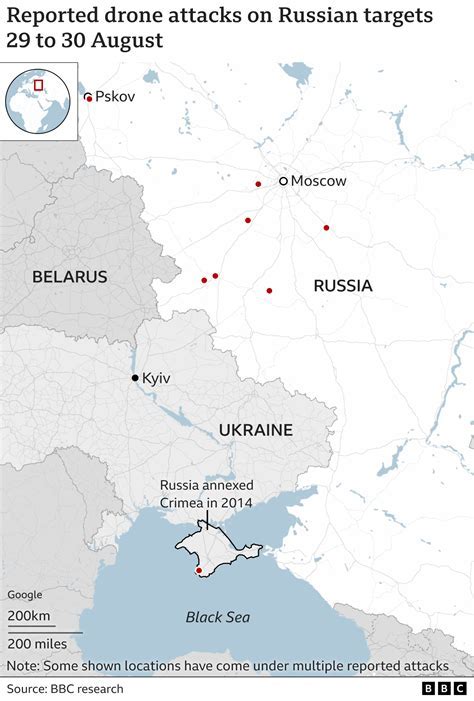
The effectiveness of this strategy has been amplified since the inauguration of U.S. President Donald Trump, which analysts believe emboldened Moscow to escalate its campaign. Drone strikes have intensified, with more Shaheds launched per assault, overwhelming Ukrainian defenses in some regions.
Geopolitical Fallout: Israel’s Strikes on Iran and What Comes Next
Despite Russia’s momentum, its long-term capabilities may hinge on Iran’s ability to sustain the supply chain. Recent Israeli airstrikes on Iranian military facilities — which included suspected drone component factories — could disrupt this flow. Though Israel has remained tight-lipped about its operations, defense analysts agree that Tehran’s drone manufacturing infrastructure may have been significantly damaged.
According to the U.K. Defense Ministry, this could hinder Iran’s future ability to provide military hardware to Russia. While Russia already domesticates a large share of its drone production, key components like anti-jamming modules and specialized engines still appear to come from Iran. A shortage of these parts could stall or reverse recent technological gains.
However, Russia has proven adept at circumventing sanctions and finding backchannels through China or the West to procure restricted technologies. As the war enters its fourth year, Moscow’s ingenuity in adapting and evolving — both in manufacturing and strategy — remains a serious challenge to Ukraine and its allies.
Conclusion: The War Enters a Smarter, Deadlier Phase
The emergence of a drone packed with Iranian anti-jamming technology, AI computing, and advanced remote piloting features is a stark reminder that Russia is not just replicating Iran’s designs — it is iterating on them. By blending imported innovation with local production capabilities, Moscow is constructing a more effective and persistent aerial threat.
As global tensions rise, especially between Israel and Iran, the future of Russia’s drone war may depend on how deeply those geopolitical tremors shake the foundations of its supply chains. But for now, Ukraine faces a new reality: drones that are faster, smarter, more resistant, and more lethal.
And in the skies above, the moped-like hum that once signaled a predictable attack now signals something far more complex — and far more dangerous.