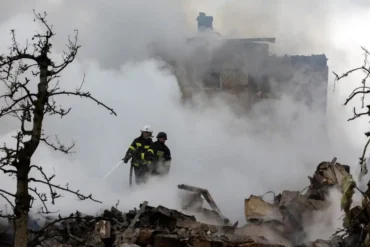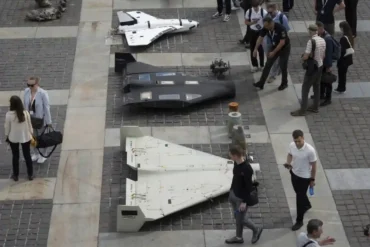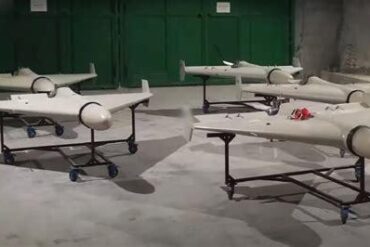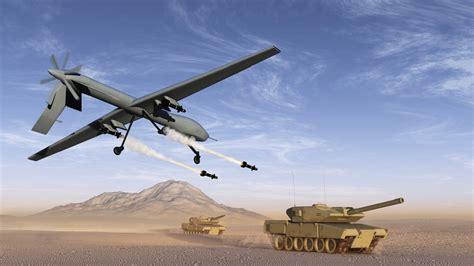
Russia’s largest drone assault on Ukraine since the full-scale invasion began marked a grim escalation in the warfare of the skies. On a single night, 355 Shahed-type drones, accompanied by nine cruise missiles, were launched towards Ukrainian cities, overwhelming air defenses and devastating civilian infrastructure. According to Ukraine’s Air Force, these barrages are less about battlefield gains and more about psychological warfare, aimed squarely at eroding public morale in Ukrainian urban centers.
The deadliest strike that weekend killed 13 civilians in Zhytomyr, including three children, prompting a defiant address from President Volodymyr Zelensky, who called for intensified pressure on the Kremlin. “Russian strikes are becoming increasingly brazen and large-scale every night,” Zelensky stated, noting that nearly 900 drones and missiles had been launched in just 72 hours.
The Strategic Vacuum Behind Russian UAV Attacks
Military analysts argue that these attacks lack strategic military objectives. “The drones aren’t hitting military facilities — they’re indiscriminate,” said defense expert Alexei Alshansky. “This is about instilling fear. It’s psychological warfare to force concessions from Ukraine.”
Alshansky’s view is echoed by fellow analyst Yury Fedorov, who dismissed the drone campaign as a propaganda strategy to manipulate public sentiment, not a coordinated military effort. The lack of synchronization with precision missile strikes further confirms that no tactical advantage is being gained by Russia through these aerial blitzes.
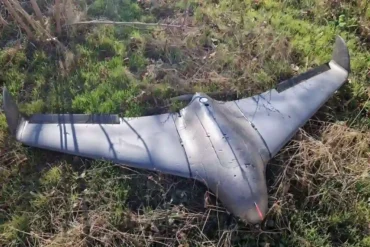
Meanwhile, Ukrainian drone operations are sharply focused on military and industrial sites deep within Russia. From the drone assault on Yelabuga, a major drone assembly center, to the strike on the Dmitrievsky Chemical Plant in Ivanovo, Kyiv’s UAV strategy is marked by deliberate targeting of the Russian military-industrial complex.
Russia’s Homeland Now Under Frequent UAV Siege
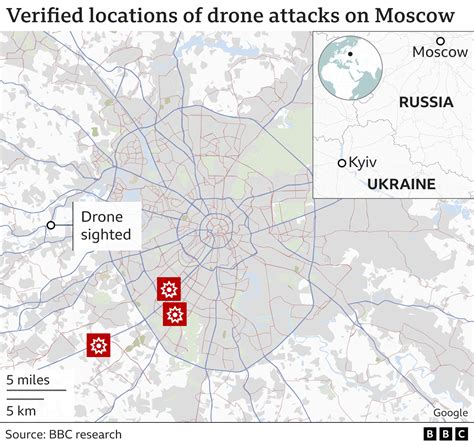
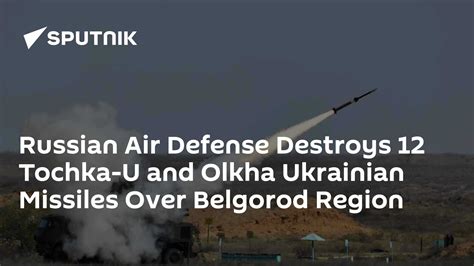
The wave of Ukrainian drone incursions has rattled the Russian interior. In Belgorod alone, 56 drones were intercepted overnight, part of a larger tally of 99 UAVs neutralized, according to Russia’s Defense Ministry. Cities like Yaroslavl, Vladimir, Oryol, Tula, and Voronezh have faced sudden mobile internet shutdowns, a probable result of counter-drone defense protocols kicking in.
Even Moscow — shielded by layers of air defense — experienced mobile disruptions during the May 9 Victory Day parade, an event historically choreographed for uninterrupted patriotic spectacle. Flight delays and cancellations linked to drone alarms have now become commonplace across Russia’s urban centers.
Overloaded Defenses and Ukraine’s Call for Smarter Weapons
As Russia rains down hundreds of drones, Ukraine’s air defense capacity is being stretched thin. Ukrainian Air Force spokesman Yuriy Ignat admitted the system is under duress. “We need rational and cheaper ways to shoot them down,” he said. Despite the mounting pressure, Kyiv maintains resilience, although it continues to push Western allies for more advanced anti-drone systems.
A Ukrainian military source told AFP there was no panic, but emphasized the urgent need for more Western-supplied interception technologies to keep pace with the growing drone onslaught. Without these, defending every city becomes a logistical impossibility.
Russia’s Evolving Drone Tactics and Electronic Warfare Skirmishes
Beyond sheer numbers, Russia’s drone strategies are growing increasingly sophisticated. Military expert Ivan Stupak, a former Ukrainian security officer, noted that Russian drones are being launched using altered flight paths, varying altitudes, and swarming tactics, all designed to outsmart air defense systems.
“Some drones are unarmed decoys sent ahead to confuse radars and exhaust interceptor stocks,” Stupak explained. “Others are clustered to maximize impact on a single target.”
Ignat further warned that Russian UAVs are now capable of operating at higher altitudes, making them harder to detect and intercept. This evolution reflects a shift from rudimentary suicide drones to smarter, semi-autonomous systems aimed at bypassing Ukraine’s jamming and interception protocols.
Artificial Intelligence or Misinformation? Debunking the AI Drone Hype
An article in The Economist claimed that Russia’s latest UAVs were driven by artificial intelligence, using Telegram bots for real-time control and visual recognition for navigation. But several Ukrainian military experts have sharply refuted these claims.

Electronic warfare specialist Serhii Beskrestnov, known as Serhii Flash, insisted that Shahed drones still rely on GPS navigation and are vulnerable to jamming. “There is no AI inside them,” he said plainly. Alshansky added that there’s been no credible debris evidence to support AI integration.
While fully autonomous AI drones remain speculative, there is evidence of basic automation, such as image-based target correlation. “A drone could potentially match ground visuals with preloaded satellite maps — a form of primitive automated navigation,” Alshansky explained. This hybrid approach, though not true AI, still represents a serious technological step forward in drone guidance systems.
Drone Warfare as a Tool of Civilian Coercion and Strategic Disruption
Despite the limited tactical military value, drone warfare has become a centerpiece of psychological operations and economic disruption. By attacking cities far from the frontline, Russia forces Ukraine to redistribute air defenses, stretching resources thinner.
Conversely, Ukraine’s drones force Russia to divert military attention and air defense infrastructure inward, away from the frontlines. This indirect strategy may not win battles outright but could influence logistics, morale, and the timing of negotiations.
With each side escalating, UAV warfare is no longer an auxiliary tactic — it is a frontline strategy in itself, driven by evolving tech, AI speculation, and asymmetrical objectives.
The Escalation Path Ahead: Endless Skies of Drones?
As UAV technologies continue to advance rapidly, the skies above Ukraine and Russia will remain contested digital battlegrounds. What began as supplemental reconnaissance and sabotage tools have evolved into primary weapons of psychological and infrastructural warfare. The drone war is becoming less about battlefield wins and more about attrition, attention, and adaptation.
Both sides are actively investing in new UAV models, electronic countermeasures, and decoy strategies. The pace of innovation, however, may favor Ukraine in the short term — bolstered by Western intelligence and tech aid — while Russia seems focused on overwhelming quantity and internal production.
But as drone swarms evolve, mere numbers will no longer suffice. The future of this war could depend on autonomy, swarm intelligence, and advanced AI-enabled targeting systems. As civilian populations bear the brunt of these attacks, and air defenses grow weary, the line between military objective and humanitarian crisis continues to blur.
Drone warfare — once the side game of superpowers — has become the centerpiece of 21st-century conflict, not by virtue of its lethality alone, but through its ability to reshape battlefield logic and redefine the very nature of modern war.