In a stunning escalation of violence, Russia has launched the largest wave of drone attacks since the beginning of its invasion of Ukraine, killing at least 30 civilians and injuring more than 163 others within a span of just one week. The overnight bombardments have shattered relative calm in numerous Ukrainian cities, pushing an already war-weary nation further into crisis and shaking global confidence in diplomatic solutions. Amid the destruction, Ukrainian President Volodymyr Zelenskyy declared that Russia’s President Vladimir Putin has no interest in ending the conflict, accusing the Kremlin of brazenly intensifying strikes as peace negotiations stall.
Putin’s Strategy: Military Pressure Before Diplomacy
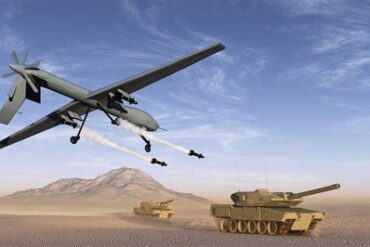
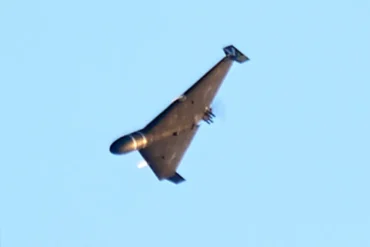
Russian military tactics have taken a calculated and deeply destructive turn. Over a three-day span, more than 900 Iranian-made Shahed drones have been launched against Ukrainian territory, accompanied by barrages of ballistic and cruise missiles. According to Ukrainian military officials, 355 drones were fired in a single night, marking the largest drone deployment since the war began.
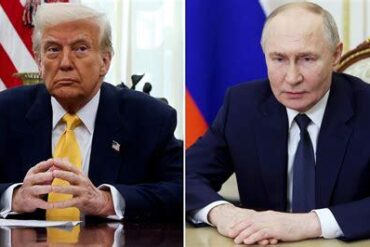
This unprecedented aerial campaign is not merely a show of brute force—it is a maneuver aimed at reshaping the diplomatic battlefield. Retired Army Colonel Robert Hamilton, a leading expert from the Foreign Policy Research Institute’s Eurasia Program, characterized the blitz as “negotiating behavior.” By intensifying the military pressure, Putin aims to establish a dominant position ahead of potential tripartite talks involving Russia, Ukraine, and the United States.
Civilian Toll and Urban Destruction
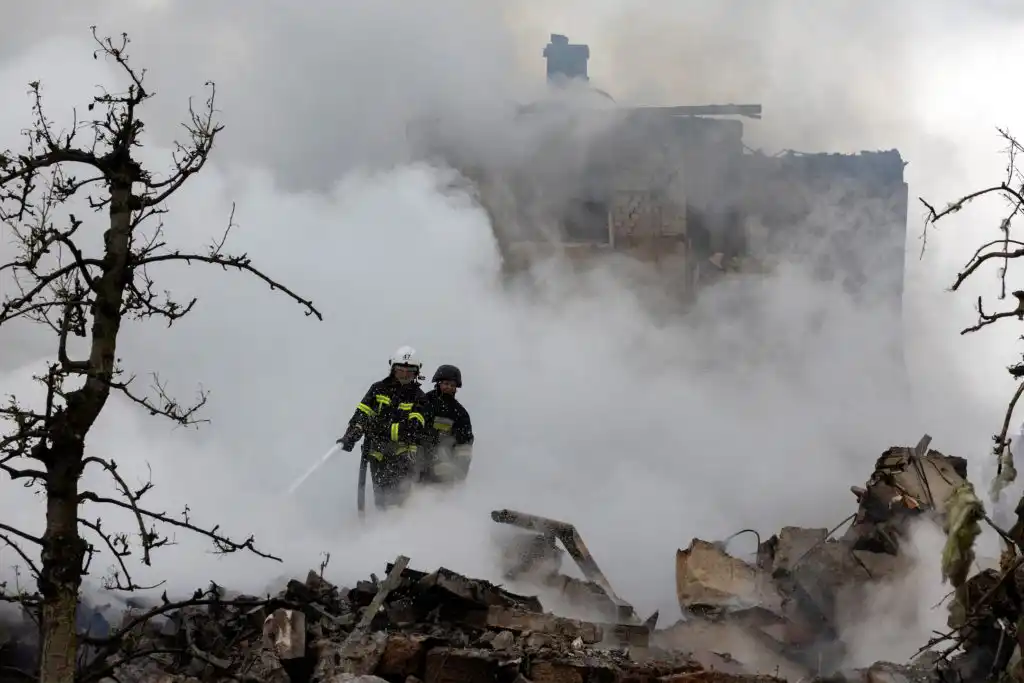
The latest strikes have devastated residential areas across Ukraine. Outside Kyiv, Ivan and Liubov Fedorenko lost their home to a missile strike. Miraculously, their daughter, who was nearly persuaded to visit, stayed away. The missile landed exactly where her room would have been, a grim reminder of the randomness and cruelty of war. Sirens, flames, and chaos now characterize the nocturnal reality for millions of Ukrainians, once again robbed of peace.
Trump’s Reaction: Condemnation and Contradiction
In the United States, President Donald Trump publicly condemned the latest Russian aggression, expressing frustration over Putin’s actions during ongoing backchannel discussions. “I don’t know what the hell happened to Putin,” Trump stated bluntly while on the tarmac. Despite claiming a strong personal history with the Russian leader, he admitted that the missile attacks have soured his view: “He’s sending rockets into cities and killing people. I don’t like it at all.”
Trump’s statements, however, have been a mixture of condemnation and ambiguity. On social media, he called Putin “absolutely crazy” while also taking aim at Zelenskyy, blaming the Ukrainian leader’s rhetoric for prolonging the war. Trump has consistently boasted of his ability to end the war swiftly if re-elected, but four months after promising an immediate cease-fire, little progress has been made.
The Kremlin’s Rationale: Retaliation and Delaying Diplomacy
Kremlin spokesperson Dmitry Peskov framed the drone strikes as retaliation for Ukrainian provocations. Russian officials claim that more than 100 Ukrainian drones were intercepted, underscoring their narrative of self-defense. Yet analysts suggest that Russia’s true intention is to stall talks until Western support for Ukraine weakens.
Col. Hamilton emphasizes that Russia’s ground war has stagnated. “Since November of last year, Russian territorial gains have steadily declined while casualties have mounted,” he noted. The drone attacks serve a dual purpose—demonstrating strength at the negotiating table while diverting attention from Russia’s faltering land offensive.
International Ramifications and Shifting Military Policies
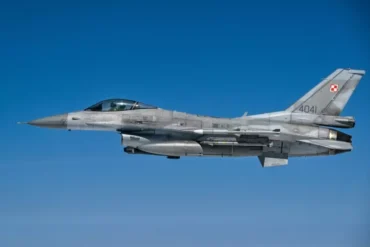
As Russia ramps up aerial assaults, NATO allies are recalibrating their approach. Germany’s recent decision to remove range restrictions on weapons delivered to Ukraine marks a seismic shift in Western policy. This move potentially unlocks access to Taurus cruise missiles, which boast a range of up to 500 kilometers—well beyond U.S.-supplied ATACMS.
This decision, however, hinges on American support. According to Hamilton, the guidance systems of many Western missiles—regardless of origin—depend on U.S. intelligence and technology. Without it, even long-range assets like Britain’s SCALP Storm Shadow or France’s missile platforms may underperform.
Economic Pressure: Sanctions and the Shadow Fleet
Beyond the battlefield, economic tools are being sharpened. The European Union has approved a new round of sanctions targeting Russian assets and technology sectors. These sanctions aim to choke off Russia’s war economy, though enforcement remains uneven. Of particular concern is Russia’s “shadow fleet”—a vast, largely unregistered armada of oil tankers that circumvent official bans and continue to fund Kremlin coffers.
Some Baltic states have begun intercepting these tankers, but comprehensive action remains elusive. Hamilton argues that if Ukraine’s allies aggressively target the shadow fleet, it could cripple Russia’s ability to finance its war efforts.
Congressional Actions and Internal U.S. Debate
The U.S. Congress is also stepping into the fray. A bipartisan bill is under consideration that would impose steep sanctions on Russia, including a staggering 500 percent tariff on goods from nations purchasing Russian oil. This represents a substantial escalation of economic pressure, one that could realign global trade if passed.
Congress does not require executive approval to enact such sanctions. In fact, a similar maneuver occurred during Trump’s first term when bipartisan distrust of the White House led to a legislative freeze on sanctions removal. Given the current ambiguity in Trump’s statements and posture, lawmakers may once again seek to bypass the Oval Office in favor of legislative action.
The War’s Uncertain Future
With the world’s major powers posturing, escalating, and recalibrating, the path to peace in Ukraine appears increasingly elusive. Russia’s drone war has not only intensified the human cost but has further undermined faith in diplomacy. While Trump insists he can end the conflict swiftly, his mixed messages and reluctance to outline specific strategies leave many skeptical.
Zelenskyy, on the other hand, continues to rally international support while weathering unprecedented attacks. For Ukrainians, survival is now a daily triumph against overwhelming odds. For the world, the urgency is growing: either find a way to halt the bloodshed or risk watching it spiral into an even larger catastrophe.