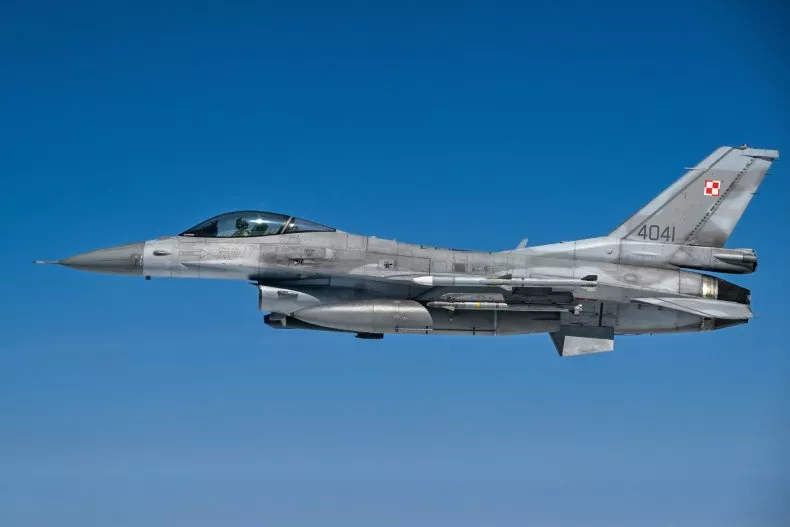
In a stark escalation of tensions along NATO’s eastern flank, Poland scrambled its F-16 fighter jets overnight in response to a massive Russian drone and missile barrage targeting Ukraine. This marks the second such emergency deployment within just one week, underlining Warsaw’s deepening fears that the conflict may spill over into NATO territory.
NATO Air Defense Reacts to Widespread Russian Strikes
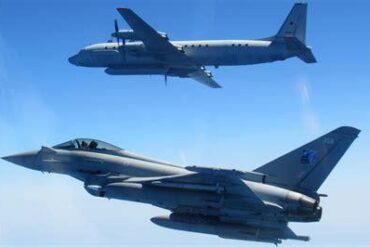
The Polish Ministry of Defense confirmed that its air force launched a swift response to the Russian missile and drone strikes, which impacted critical Ukrainian regions including Donetsk, Kirovohrad, Dnipro, Sumy, Kherson, Volyn, Zaporizhzhia, Mykolaiv, Odesa, and Zhytomyr. At the same time, Swedish fighter aircraft, stationed in Poland as part of NATO’s integrated air defense strategy, were also scrambled to reinforce airspace security.
While Polish airspace remained uncompromised, Polish authorities emphasized that the deployment was essential to guarantee the safety of its territory. The Operational Command of the Polish Armed Forces ordered all available resources into action, including ground-based air defense systems and radar reconnaissance units, elevated to the highest combat readiness level.
Strategic Concerns for NATO’s Eastern Flank
Poland’s aggressive defensive posture underscores its strategic anxieties over Russia’s continued aggression against Ukraine. As one of NATO’s frontline states bordering Ukraine, Poland has repeatedly warned that the risk of Russian munitions crossing into NATO-controlled airspace is no longer hypothetical but imminent. The back-to-back scrambling of jets within days signals a shift in NATO’s operational tempo, aimed at deterrence and rapid containment of potential airspace violations.
The statement from Poland’s Ministry of Defense clarified that these measures were taken not in response to any direct airspace incursion, but as preventive action designed to secure Polish borders against accidental or deliberate spillover. This is particularly significant as Russian strikes have intensified in western Ukraine, closer to Poland’s frontier.
Kyiv Under Siege: Russia’s Expanding Air Campaign
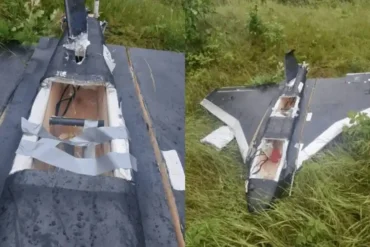
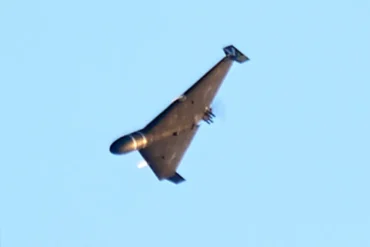
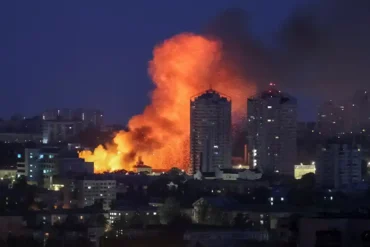
Simultaneously, Russia’s air campaign intensified dramatically, with Ukrainian President Volodymyr Zelensky confirming that more than 300 attack drones and over 30 missiles of varying classes were launched against multiple Ukrainian cities. Russia’s strategy appears designed to saturate Ukrainian air defenses through overwhelming multi-vector strikes.
Notably, Russia also launched sustained drone attacks against Moscow itself, marking the third consecutive night that the Russian capital came under aerial threat. Russian defense officials reported intercepting 13 drones approaching Moscow, adding another layer of complexity to the conflict’s expanding geographical footprint.
NATO’s Integrated Air Defense Measures in Action
Polish and Swedish fighter aircraft, under NATO’s Integrated Air and Missile Defense System (NATINAMDS), exemplify the alliance’s emphasis on multinational readiness and interoperability. These jets form a critical first response line against airborne threats approaching NATO’s airspace. In tandem, Poland’s ground-based air defense systems, including PATRIOT missile batteries, remain at heightened readiness.
The significance of involving Swedish aircraft, even before Sweden’s full NATO accession, highlights growing regional defense cooperation amid Russia’s aggression. Their operational integration within Polish airspace shows how non-NATO states are now intricately linked to NATO’s eastern air defense grid.
Strategic Implications for the NATO Alliance
Poland’s repeated scrambling of jets within days serves not only as a tactical response but as a strategic message to Moscow: NATO’s eastern flank is fortified and fully prepared to respond instantly to any infringement. Polish officials reiterated that all current protocols, including Article 5 collective defense commitments, remain in force, signaling NATO’s readiness to escalate defensive measures if necessary.
The decision to mobilize extensive air defense assets indicates NATO’s assessment that the risk of inadvertent escalation is rising. Russia’s strikes near alliance borders blur operational lines, raising the probability of cross-border incidents that could trigger wider confrontation.
Future Dynamics: Increased Defense Cooperation and Arms Transfers
In the wake of these attacks, President Zelensky urged intensified cooperation with allies, particularly in the fields of weapons production, drone manufacturing, and the delivery of advanced interceptor and air defense systems. His statement reflects Ukraine’s immediate need to counter Russia’s increasingly sophisticated multi-layered attacks.
The United States, according to recent reports from The Wall Street Journal, plans to redirect its next shipment of PATRIOT missile systems to Germany, expediting Berlin’s pledged delivery of two PATRIOT batteries to Kyiv. This signals a shift towards accelerated arms transfers under NATO and EU joint procurement frameworks, designed to bolster Ukraine’s defensive capacity.
Additionally, former U.S. President Donald Trump’s pledged weapons support via a NATO-EU coordinated initiative introduces new geopolitical complexities, particularly as the alliance seeks to balance arms flow to Ukraine without provoking direct confrontation with Russia.
NATO’s Calculated Deterrence: A Delicate Balance
The latest emergency deployments exemplify NATO’s careful strategy of calculated deterrence. By visibly mobilizing air defense assets yet avoiding direct engagement unless provoked, the alliance walks a tightrope between deterrence and escalation control. Poland’s proactive air patrols serve as both a defensive necessity and a psychological deterrent, signaling to Russia that NATO airspace is not vulnerable.
NATO’s surveillance and intelligence-sharing infrastructure, including AWACS (Airborne Warning and Control System) and radar networks across eastern Europe, remains the backbone of this rapid response strategy. These integrated systems allow for real-time tracking of airborne threats, ensuring prompt and coordinated interceptions.
Conclusion: NATO Braces for Prolonged Tension
The Russian missile and drone onslaught, and NATO’s sharp military response, mark a dangerous new phase in the Ukraine conflict. With attacks pushing closer to alliance borders, Poland’s repeated fighter jet deployments reflect an evolving defense posture no longer reliant solely on monitoring but focused on active airspace protection.
The situation underscores broader questions facing NATO: how to prevent spillover while maintaining pressure on Russia, how to supply Ukraine without inviting direct confrontation, and how to defend the alliance’s eastern flank in the face of unpredictable escalation. As Poland, Sweden, and other NATO members intensify defensive operations, the potential for flashpoints along NATO’s eastern frontier grows ever more acute.
In the coming weeks, NATO’s air forces are expected to continue high-frequency patrols, backed by constant radar surveillance and enhanced missile defense readiness. Simultaneously, Ukraine’s call for increased weapons supplies and localized production will likely dominate diplomatic and military dialogues, as both sides prepare for what promises to be a long and volatile air campaign.