As the US-Iran conflict deepens, military actions and diplomatic negotiations are shaping the current landscape in the Middle East. The situation has escalated dramatically, with the United States considering potential strikes on Iran’s nuclear facilities amidst increasing hostilities between Israel and Iran. Both nations have engaged in airstrikes, raising alarms about the potential for broader military confrontation. Amid these developments, diplomatic efforts are being made to stave off further violence, yet the future remains unpredictable and fraught with tension.
In response to the escalating US-Iran conflict, global diplomatic efforts have intensified significantly. The United Kingdom, under the leadership of Prime Minister Sir Keir Starmer, is actively involved in high-level discussions with the United States and other international partners to address the crisis. During the recent G7 summit held in Canada, world leaders reiterated their commitment to pursuing diplomatic solutions in the region. However, despite these concerted efforts, tensions continue to rise, particularly following statements from US President Donald Trump regarding possible military intervention. Trump’s ambiguous remarks — “I may do it. I may not do it. I mean, nobody knows what I’m going to do” — have exacerbated concerns about the unpredictability of US actions, leading to widespread anxiety about the potential for a full-scale conflict.
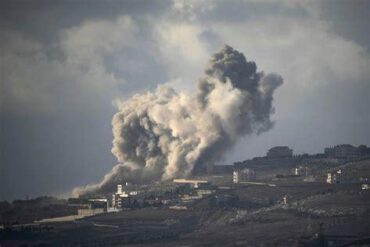
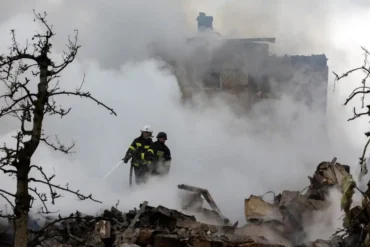
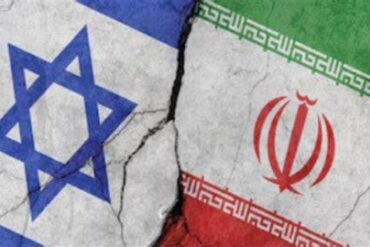
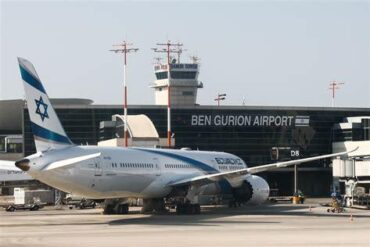
The long-standing conflict between Israel and Iran has taken a dangerous turn, characterized by a series of airstrikes from both sides. Israel asserts that its military operations are aimed at halting Iran’s nuclear weapons development program, while Iran maintains that its nuclear ambitions are purely peaceful. This ongoing strife has resulted in significant casualties, with reports indicating that at least 639 individuals have lost their lives, including 263 civilians. In light of these developments, Israeli military officials have activated air defense systems in response to Iranian missile attacks, one of which targeted the Soroka Medical Centre in Beer Sheba, causing considerable damage. As a precautionary measure, Israeli authorities have urged residents to evacuate areas surrounding Iran’s Arak heavy water reactor, which has become a focal point in the continuing airstrikes.
As the conflict intensifies, the role of US diplomatic efforts in the region is becoming increasingly critical. The US State Department has initiated the evacuation of non-essential personnel from its embassy in Tel Aviv, reflecting the urgency of the situation. Furthermore, plans are being developed to facilitate the evacuation of American citizens amid the escalating violence. President Trump has suggested that while military action remains an option, there is still room for diplomatic engagement. His statement, “It’s very late to be talking, but we may meet,” suggests that despite the rising tensions, the United States is committed to exploring diplomatic avenues to manage the conflict. While no military strikes have been confirmed, the potential for US diplomatic engagement could serve as a pivotal factor in resolving the crisis.
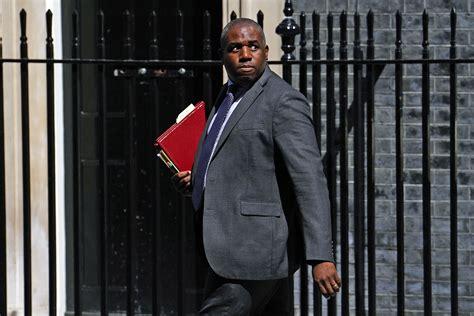
In parallel, the UK has taken proactive measures to safeguard its citizens in the region, particularly focusing on British nationals in Israel. The UK Foreign Office has facilitated the evacuation of family members of embassy staff, though the embassy continues to operate without issuing a formal directive for British nationals to leave. Nonetheless, British citizens are strongly advised to register their presence with the embassy to receive vital safety updates. The UK government remains dedicated to assisting those who wish to exit Israel, with border crossings to Jordan and Egypt remaining open. Foreign Secretary David Lammy emphasized that the UK’s primary concern is ensuring the safety of all its citizens, with consular teams working tirelessly in the region. Despite ongoing evacuations, British nationals in Israel are urged to remain vigilant, as the security situation can change rapidly.
The Iran nuclear dispute remains a central issue driving the conflict, with Iran’s nuclear ambitions sparking significant concern among the international community. As diplomatic efforts continue, there is cautious optimism that talks can lead to a peaceful resolution, although military action remains a looming possibility. The United States, along with its allies, including the UK, are advocating for diplomatic solutions even as tensions persist. Discussions are underway with Iran and European partners, including Germany and France, to address the nuclear issue and avert further escalation.
Looking ahead, the future of the US-Iran conflict remains shrouded in uncertainty. While diplomatic efforts are ongoing, the specter of military action remains a very real threat. The international community is closely monitoring the situation, keen to see if diplomacy can prevent the crisis from spiraling further out of control. The role of Middle East diplomacy will be crucial in defusing tensions, as leaders worldwide engage in efforts to avert war. Despite the looming threat of military conflict, there is hope that meaningful dialogue can eventually lead to a peaceful resolution of the Iran nuclear dispute and contribute to de-escalating tensions in the Middle East.
In conclusion, the US-Iran conflict and the broader tensions in the Middle East have reached a critical juncture. Diplomatic efforts are continuing, albeit alongside the persistent risk of military intervention. As the situation evolves, the safety of British nationals in Israel and other international citizens remains a paramount concern. The global community is hopeful that diplomacy can prevail, but the future of this multifaceted conflict hinges on the willingness of all parties to engage in substantive discussions and work collaboratively towards peace.