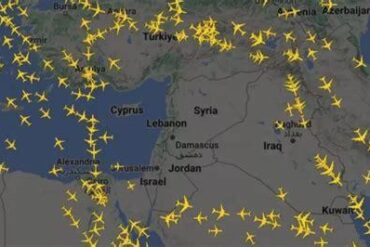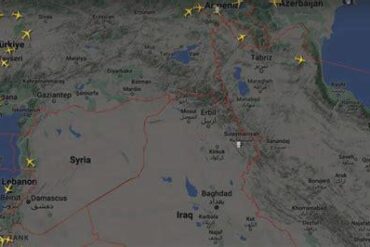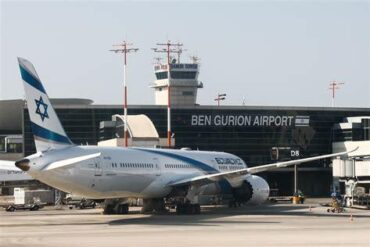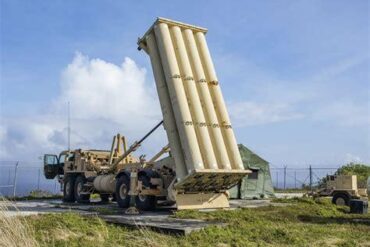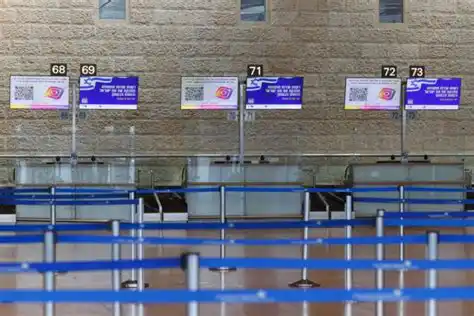
The rapid escalation of the US–Israel–Iran conflict has triggered an unprecedented wave of flight cancellations and rerouting across the Middle East. As targeted strikes, missile launches, and retaliatory actions intensify, airlines are revamping schedules in real time to safeguard passengers and crew. What once were routine routes through Gulf airspace have become flashpoints of risk, compelling carriers to suspend or divert services at a moment’s notice.
Global giants such as British Airways, Singapore Airlines, Finnair, Emirates, Qatar Airways, Air France-KLM, Lufthansa Group, Turkish Airlines, Flydubai, Etihad, United, American, Air Canada, Air India, and IndiGo now find safety at the forefront of operations. With air corridors over Iran, Iraq, Syria, Lebanon, and Israel deemed hazardous, these carriers must navigate a patchwork of closed skies and shifting advisories as the crisis deepens.
The stakes extend beyond mere delays: aviation authorities worldwide are closely monitoring missile ranges and drone deployments, issuing urgent advisories against flying over conflict zones. Airlines are reprogramming flight plans midair, communicating rolling updates to passengers whose summer itineraries hang in the balance.
Real-Time Airline Responses
British Airways and Singapore Airlines spearheaded the initial round of cuts, immediately cancelling services to Dubai, Doha, and Tel Aviv following fresh missile exchanges. Finnair, which has contended with Russian and Ukrainian airspace restrictions for months, swiftly halted its Doha route until early July. Meanwhile, Emirates and Qatar Airways—whose hub-and-spoke models depend on seamless Gulf connections—began tactically rerouting flights around danger zones and suspending direct links to Tehran, Baghdad, and Basra.
Air France-KLM, incorporating both Air France and KLM operations, suspended its UAE and Saudi Arabia services, freezing flights to Tel Aviv, Beirut, and Riyadh on staggered timelines. The Lufthansa Group—encompassing Lufthansa, Swiss, Austrian, and ITA—followed suit, avoiding conflict-adjacent airspace through late July. Turkish Airlines and regional low-cost subsidiary Pegasus also imposed cancellations to Iraq, Jordan, Lebanon, and Iran, with Pegasus extending some suspensions into late July.
Transatlantic carriers United, American, and Air Canada have suspended or rerouted flights to Doha, Dubai, and Tel Aviv, offering no-fee rebooks and flexible policies. Indian operators Air India and IndiGo are rerouting or cancelling Middle East services, with Air India planning to cut roughly 15% of its international network in response to safety concerns.
Flight Suspensions and Status Overview
- British Airways – Dubai, Doha, Tel Aviv cancelled over weekend; Bahrain, Amman paused to June 30
- Air France-KLM – Suspended through July 14 (TLV), June 25 (BEY), June 24 (RUH)
- Finnair – Doha cancelled to June 30/July 1
- Lufthansa Group – Tel Aviv/Tehran through July 31; Beirut to June 30; Amman/Erbil to July 11
- Singapore Airlines – Dubai cancelled to June 25
- Emirates – Tehran, Baghdad, Basra suspended to June 30
- Qatar Airways – Iraq, Iran, Syria flights cancelled; Doha airspace closed
- Turkish Airlines – Baghdad, Damascus, Tehran cancelled until July 1
- Flydubai & Etihad – Regional suspensions through June 30/July 15
- United/American/Air Canada – Dubai, Doha, Qatar suspended with no-fee rebooks
- Air India/IndiGo – Rerouting/cancelling Middle East services; Air India cutting 15% of international flights
Global Rerouting and Operational Impact
With primary corridors over Iran, Iraq, Syria, Lebanon, and Jordan off-limits, airlines are charting alternative paths north over Georgia and Afghanistan or south via Saudi Arabia and the Arabian Sea. These detours extend flight times by one to two hours on average, escalate fuel consumption, and push crew duty hours to regulatory limits. The result is a domino effect of longer ground turnarounds, increased operational costs, and amplified congestion in already narrow corridors shaped by Russian and Ukrainian airspace closures.
Air traffic control centers face mounting pressure as re-routed flights converge on limited transit lanes. Delays ripple through hub schedules in Doha, Dubai, and Istanbul, where ground handlers must accommodate unexpected aircraft rotations. Maintenance teams, facing tighter windows, rush to complete checks between back-to-back diverted services, challenging safety margins in an environment already testing resource flexibility.
Passenger Experience and Rising Costs
For travelers, the fallout is immediate: routine delays, missed connections, and abrupt itinerary changes cause widespread confusion. Passengers report extended layovers, rebooked on alternate carriers at short notice, and navigating complex refund procedures. The surge in jet fuel prices—driven by regional instability and higher global crude benchmarks—adds upward pressure on airfare. Budget carriers like Ryanair have signaled imminent fare increases, while airlines without robust hedging strategies risk passing on substantial cost hikes.
Additionally, ground transportation and accommodation costs rise for disrupted passengers. Hotels in diversion cities scramble to house books of stranded travelers, further straining local services. Travel insurance with geopolitical disruption coverage now ranks among the most sought-after policy add-ons for summer bookings, as uncertainty becomes the new normal for international journeys.
Financial and Safety Pressures on Airlines
Since the initial Israeli strikes on June 12, airline stocks have seen marked declines. Operational inefficiencies cut into slim profit margins already squeezed by post-pandemic recovery costs. The tragic Air India crash earlier this month underscored evolving safety threats, as expanding missile ranges and unmanned drone capabilities heighten risks for commercial airliners.
Regulatory bodies such as EASA and the FAA have issued expanded advisories restricting flights over parts of Syria, Jordan, Lebanon, and Egypt. These advisories tighten the noose around strategic routes, compelling airlines to constantly update risk maps and adjust contingency plans. Investor confidence hinges on carriers’ ability to demonstrate robust safety protocols amid rising geopolitical volatility.
Gulf Carrier Challenges and Strategic Responses
Emirates and Qatar Airways, pillars of Gulf aviation, face unique operational headaches. Their hub-and-spoke networks rely on open skies for high-frequency services connecting Europe, Asia, Africa, and the Americas. Suspension of direct flights to Tehran and Baghdad chips away at route profitability and network connectivity. In response, these carriers are reallocating aircraft to unaffected markets, scaling short-haul operations in Southeast Asia and Europe to offset lost capacity in the Gulf.
Qatar Airways has repurposed widebodies for increased cargo runs, capitalizing on robust freight demand to bolster revenues. Emirates is accelerating partnerships with European and Asian carriers for code-share flights, preserving market access while avoiding conflict zones. Both airlines invest in advanced flight planning systems to optimize rerouting and minimize fuel burn, demonstrating agility that may shape long-term network strategies beyond the current crisis.
Outlook: Routes, Fares, and Future Risks
Industry analysts warn that sustained tensions could render Europe-Asia corridors financially unsustainable, reducing service frequency and competition. Fewer carriers on key long-haul routes portend higher fares, restricted scheduling options, and diminished seat availability. Tourism sectors in Dubai, Riyadh, Tel Aviv, and Beirut brace for dips in visitor arrivals, imperiling local economies reliant on international travel.
Should conflict spill over or persist, additional airspace closures in Saudi Arabia or the Eastern Mediterranean could force airlines to seek transpolar routes, further inflating operational costs. In extreme scenarios, carriers might curtail scheduled summer capacity, prioritizing only the most profitable junctions and triggering a cascade of cancellations for peripheral markets.
Traveler Advice: Navigating Uncertain Skies
Passengers planning travel to, from, or via the Middle East should adopt a proactive approach:
- Monitor Flight Status: Check official airline apps and airport advisories frequently for real-time updates.
- Book Flexible Fares: Opt for refundable or changeable tickets to avoid hefty change fees.
- Secure Travel Insurance: Ensure coverage includes geopolitical disruption and emergency evacuation clauses.
- Reconfirm Layovers: Verify connections in hubs like Doha, Dubai, and Istanbul at least 48 hours before departure.
- Plan for Contingencies: Allow extra time for ground transport and accommodations in diversion points.
Staying informed and adaptable remains the best strategy as the aviation landscape shifts daily under geopolitical pressures.
Conclusion: A New Era of Fragile Skies
The US–Israel–Iran conflict has ushered in an era of unprecedented complexity for global aviation. Airlines are racing to balance safety, operational viability, and passenger confidence amidst shrinking airspace and rising costs. While the skies remain open, they are marked by caution, rerouting challenges, and the constant specter of disruption. For travelers and carriers alike, resilience and adaptability have never been more critical in navigating these fragile summer skies.