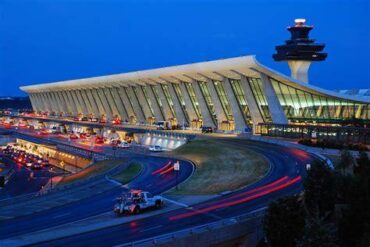
Washington Dulles International Airport is preparing for one of the most ambitious airport modernization projects in the United States, a $22.5 billion revival that will reshape how millions of passengers travel through the facility. The plan will retire the airport’s famous mobile lounges, introduce advanced transportation systems, rebuild aging passenger facilities, and create a more efficient international gateway for the Washington region.
Handling around 29 million passengers annually, Dulles remains a critical hub for global travel and a major base for United Airlines. The redevelopment reflects the airport’s need to accommodate future growth while replacing infrastructure that was designed for a different era of aviation. Construction is expected to begin in spring 2027, with funding coming primarily from airport revenue, municipal bonds, and airline contributions.
Dulles Moves Beyond Its Iconic Mobile Lounge Era
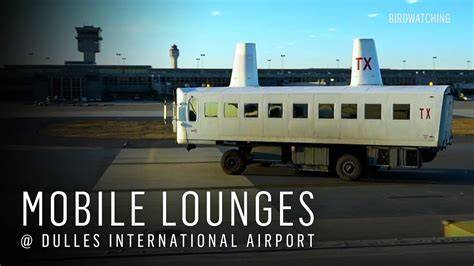
For decades, the mobile lounge system has been one of the most recognizable features of Washington Dulles. Originally designed by architect Eero Saarinen’s airport vision, the unusual vehicles carried passengers between the main terminal and remote aircraft areas, effectively extending the terminal directly to parked aircraft.
When Dulles opened in 1962, the concept represented an innovative approach to airport design. At the time, large midfield concourses and automated passenger systems were not common, making mobile lounges an efficient solution for moving travelers across the airport’s expansive layout.
However, as modern airports increasingly rely on automated trains, pedestrian connections, and integrated terminal designs, Dulles’ mobile lounges have become a symbol of an earlier generation of airport transportation. Although the AeroTrain system, which opened in 2010, already reduced dependence on the vehicles, some passengers still encounter mobile lounges when traveling through areas without direct rail access.
The upcoming modernization aims to finally eliminate that remaining dependency and create a smoother passenger journey from check-in to boarding.
New Passenger Rail System and Walkways Will Transform Travel
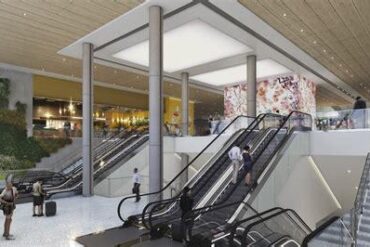
The centerpiece of the redevelopment is a new U-shaped passenger train system designed to improve movement throughout the airport complex. Alongside the rail network, Dulles will add a central pedestrian tunnel and expanded moving walkways, giving travelers more direct and convenient connections between terminals and concourses.
For years, one of the biggest passenger frustrations at Dulles has been the distance between the main terminal and midfield concourses. The new infrastructure is intended to reduce transfer times, simplify navigation, and provide a more predictable airport experience for domestic and international travelers.
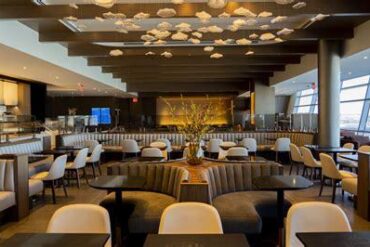
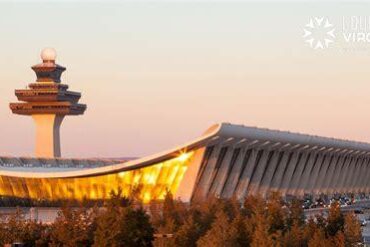
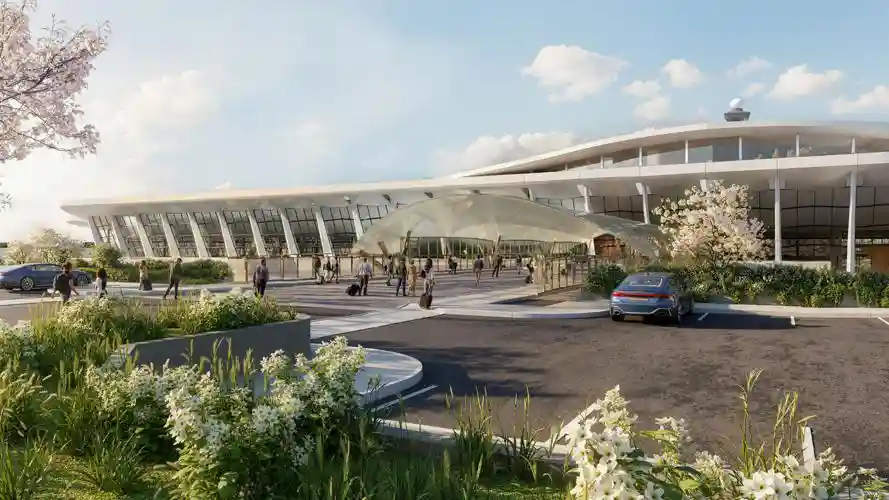
The project will also include new concourses, upgraded terminal facilities, and a larger 32,000-space parking garage located closer to the main terminal. While the famous Saarinen-designed terminal building will remain as an architectural landmark, surrounding facilities will receive major upgrades to meet modern aviation demands.
Officials describe the project as a move toward creating a world-class international airport capable of competing with leading global hubs. The focus is not only on increasing capacity but also on improving comfort, efficiency, and accessibility.
United Airlines Gains a Larger and More Competitive Hub
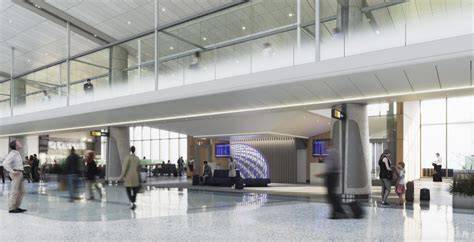
The transformation carries major importance for United Airlines, which operates Dulles as one of its seven domestic hubs. The airline has continued expanding its presence in Washington, and a modernized airport infrastructure could provide additional opportunities for future route growth.
United and other airlines operating at Dulles are expected to contribute financially to the redevelopment, recognizing that improved facilities can strengthen the airport’s long-term competitiveness. Better passenger connections, upgraded gates, and more efficient terminal operations could help airlines handle rising demand without relying on outdated transportation methods.
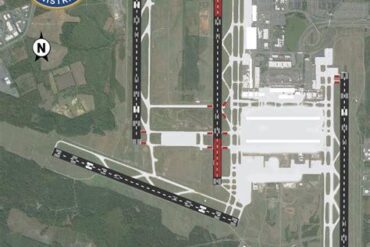
The project does not include the construction of additional runways. Instead, the strategy focuses on improving existing terminal capacity, replacing aging infrastructure, and making better use of the airport’s current footprint.
A New Future for One of America’s Most Distinctive Airports
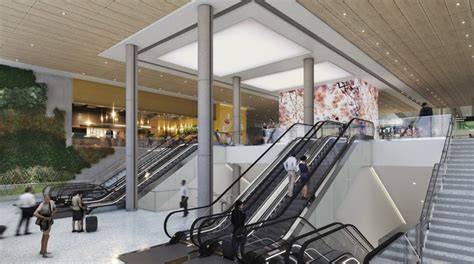
Washington Dulles has always been an airport built around ambitious ideas. From Saarinen’s futuristic terminal design to its unusual mobile lounges, the airport has often represented innovation in aviation architecture. The upcoming redevelopment marks another major chapter in its history.
The retirement of mobile lounges will close a unique chapter in airport transportation, but the replacement systems reflect how global aviation has evolved. Today’s passengers expect faster connections, easier navigation, and facilities designed around large-scale international travel.
If construction proceeds as planned, Dulles will enter a major transformation period beginning in 2027. The result will be an airport that preserves its architectural identity while embracing the technology and passenger expectations of the future.
The $22.5 billion modernization project is more than a renovation. It represents a complete reimagining of how Washington’s international gateway will operate for the next generation of travelers.