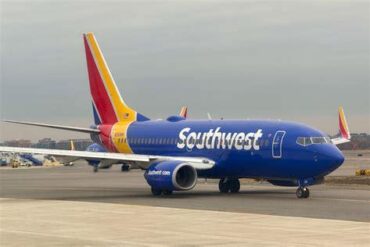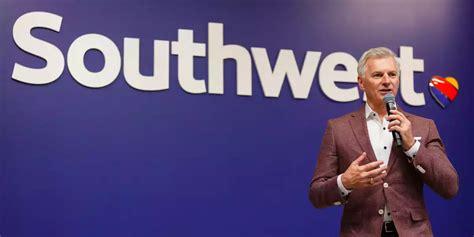
Southwest Airlines is pressing forward with one of the most dramatic transformations in its history, reshaping a brand long synonymous with simplicity, affordability, and egalitarian travel. After already dismantling hallmark features like “Bags Fly Free” and its iconic open seating model, CEO Bob Jordan has made it clear that the airline’s evolution is far from complete. The next phase could introduce airport lounges and premium cabin seating, signaling a decisive pivot toward a more segmented, revenue-driven airline model.
A Legacy Model Under Strategic Reinvention
For decades, Southwest distinguished itself as the outlier in the U.S. aviation market—a low-cost carrier that rejected the complexity of tiered cabins and ancillary-heavy pricing. That identity is now being carefully dismantled. The shift to assigned seating marked a symbolic turning point, replacing a system once marketed as fair and efficient with a structure designed to enable fare segmentation and yield optimization.
Internally, leadership frames these changes as necessary modernization. Externally, reactions are far more divided. Longtime customers, accustomed to the airline’s transparent pricing and informal boarding culture, increasingly view the transition as a departure from the very values that built Southwest’s loyal following. Yet, for executives, the objective is clear: eliminate competitive disadvantages and capture higher-margin travelers who might otherwise book with legacy carriers.
Lounges and First Class: A Radical Brand Departure
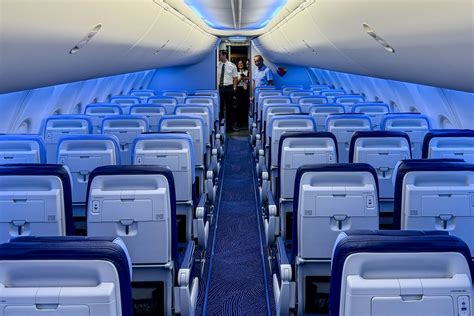
The prospect of Southwest airport lounges and a first-class product represents more than incremental change—it is a fundamental redefinition of the airline’s market position. Historically, Southwest avoided premium cabins altogether, opting instead for a single-class configuration that maximized efficiency and minimized operational complexity.
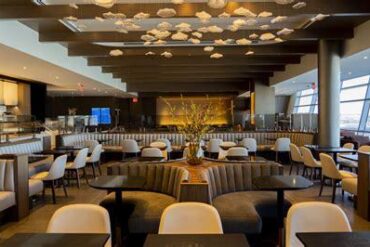
Now, roughly one-third of the cabin could be converted into premium seating, creating a tiered experience that mirrors offerings from Delta Air Lines, United Airlines, and American Airlines. Lounges, meanwhile, would introduce an entirely new dimension of pre-flight experience, targeting business travelers and high-frequency flyers willing to pay for exclusivity and comfort.
Jordan has framed these moves as a way to give customers “fewer reasons” to choose competitors. The implication is unmistakable: Southwest no longer intends to compete solely on price but aims to capture value across the entire demand spectrum.
Investor Influence and Financial Momentum
The transformation has been heavily influenced by Elliott Investment Management, the activist investor that once held a significant stake in the airline. Although its ownership has recently declined, the strategic blueprint it championed remains firmly in place. The results, at least financially, have been striking.
Southwest reported record quarterly profits in late 2025, with full-year revenues reaching $28.1 billion. Its stock surged 27% in early 2026, outperforming broader market indices and reinforcing investor confidence in the new direction. Management now projects earnings per share of at least $4.00 in 2026, a dramatic increase from the previous year.
Cost-cutting measures have also played a role. The elimination of 1,750 corporate roles, including a significant portion of leadership positions, is expected to save $300 million annually. At the same time, the airline has returned $2.9 billion to shareholders through dividends and buybacks—moves that underscore a growing emphasis on shareholder value.
Customer Experience: Improvement or Monetization?
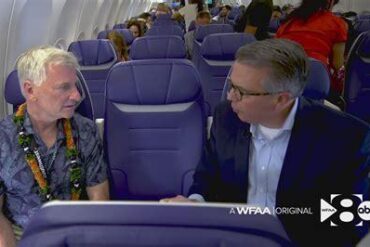
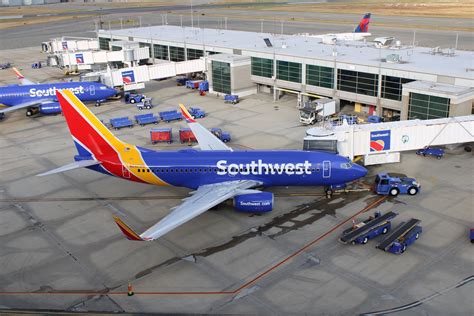
Despite strong financial performance, the customer experience remains a contentious issue. The introduction of assigned seating has not been universally embraced, with some travelers describing the new eight-group boarding process as more chaotic than the system it replaced. Reports of passengers being prevented from switching seats—even on partially empty flights—have further fueled skepticism.
Critics argue that these policies are less about operational necessity and more about enforcing paid seating tiers, ensuring that premium offerings retain their exclusivity. Even onboard amenities, such as Starlink WiFi, have been selectively rolled out, often restricted to loyalty program members.
Southwest maintains that 80% of customers prefer assigned seating, but the lack of transparency around survey methodologies has led to widespread doubt. For many observers, the shift appears less like a response to passenger demand and more like a deliberate strategy to monetize every aspect of the travel experience.
Balancing Culture and Commercial Reality
One of the most delicate challenges facing Southwest is preserving its corporate culture while pursuing aggressive financial targets. The airline has long prided itself on a people-first philosophy, emphasizing friendly service and operational reliability. Jordan insists that these values will remain intact, even as the business model evolves.
Yet, culture is not easily compartmentalized. When pricing structures become more complex and services more stratified, the passenger experience inevitably changes. The introduction of premium cabins and lounges risks creating a two-tier system that contrasts sharply with Southwest’s historically egalitarian approach.
This tension—between heritage and profitability—will define the airline’s trajectory in the coming years. Achieving a projected return on invested capital exceeding 15% by 2027 will require not only financial discipline but also careful brand management.
The Future of Southwest Airlines
Southwest Airlines is no longer simply refining its operations; it is redefining its identity. The move toward premiumization, combined with continued cost optimization and revenue expansion, positions the carrier to compete more directly with legacy airlines on both price and product.
Whether this strategy ultimately strengthens or dilutes the brand remains an open question. For investors, the early results are encouraging. For passengers, the experience is becoming more complex, more segmented, and—depending on perspective—either more tailored or less authentic.
What is certain is that Southwest is not done making changes. And as lounges, first-class seating, and further innovations come into focus, the airline’s transformation will continue to reshape expectations—not just for its own customers, but for the broader low-cost carrier model it once defined.