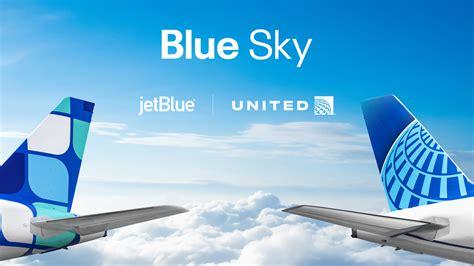
The possibility of a significantly closer relationship between United Airlines and JetBlue Airways is once again becoming a major topic across the aviation industry after comments from United CEO Scott Kirby indicated that both airlines may seek to work together more extensively. Rather than fueling immediate expectations of a corporate merger, Kirby’s remarks point toward a strategy centered on maximizing cooperation, strengthening network connectivity, and creating new opportunities for travelers without triggering the regulatory hurdles that often accompany large airline consolidations.
As competition intensifies across the United States aviation market, airlines are increasingly looking for creative ways to expand their reach, improve customer loyalty, and enhance operational efficiency. For United and JetBlue, deeper collaboration could represent a practical path forward that delivers meaningful benefits while preserving their independent identities. The timing is particularly notable as both carriers continue adapting to changing consumer demand, shifting competitive pressures, and heightened government scrutiny of airline mergers.
United Airlines enters these discussions from a position of global strength. The Chicago-based carrier operates one of the world’s largest airline networks, serving destinations across six continents through an extensive system of domestic hubs and international gateways. With a fleet exceeding 1,000 aircraft and a growing emphasis on premium travel experiences, United has invested heavily in expanding its worldwide presence and strengthening its position among the industry’s largest global airlines.
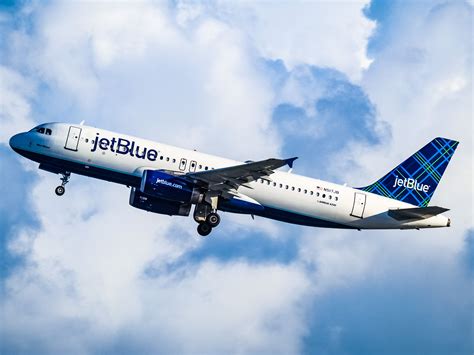
JetBlue, meanwhile, occupies a very different but equally important niche within the marketplace. Although substantially smaller, the airline has built a loyal customer base through its focus on passenger comfort, competitive fares, and strong service standards. Operating nearly 300 aircraft, JetBlue maintains a powerful presence throughout the United States, the Caribbean, Latin America, and select European destinations. Its reputation for customer-friendly amenities has helped the airline stand out in highly competitive markets.
Why United and JetBlue Are Natural Strategic Partners
The appeal of a deeper partnership becomes clearer when examining how the two airlines complement each other’s strengths. Unlike some potential airline combinations that create substantial overlap, United and JetBlue possess networks that can be viewed as highly complementary.
United’s primary advantage lies in its unparalleled international reach. The carrier offers travelers access to hundreds of destinations across Europe, Asia, Africa, South America, and Oceania. Its hub network, including major operations in Newark, Chicago, Denver, Houston, San Francisco, Washington Dulles, and Los Angeles, provides extensive global connectivity that few airlines can match.
JetBlue’s competitive strength is concentrated in the northeastern United States, particularly in markets where access and customer loyalty are exceptionally valuable. Over several decades, the airline has established a commanding presence at John F. Kennedy International Airport (JFK), LaGuardia Airport (LGA), and Boston Logan International Airport (BOS). These airports serve some of the country’s largest business and leisure travel markets, making JetBlue an attractive partner for any airline seeking stronger access to the region.
For United, enhanced cooperation with JetBlue could create additional opportunities to connect travelers through key northeastern gateways. For JetBlue, alignment with United offers a pathway to significantly expand global travel options available to its customers without undertaking costly international growth initiatives independently.
The Blue Sky Partnership Created the Foundation
The relationship between United and JetBlue is not merely theoretical. The airlines have already established a framework for collaboration through their Blue Sky partnership, which introduced reciprocal loyalty benefits and expanded opportunities for customers to earn and redeem rewards across both carriers.
This initiative represented a meaningful step beyond a traditional codeshare arrangement. Instead of simply sharing flight numbers, the partnership focused on enhancing customer experience and creating stronger connections between the two loyalty ecosystems.
Scott Kirby highlighted this shared vision when discussing the partnership, emphasizing both airlines’ commitment to innovation and customer-focused improvements. The Blue Sky agreement effectively demonstrated that cooperation between the carriers can generate tangible value while allowing each airline to maintain operational independence.
Why a Merger Appears Unlikely
Although merger speculation inevitably follows discussions of closer airline cooperation, current regulatory realities make a full corporate combination considerably less likely than an expanded partnership.
The U.S. government has adopted a far more aggressive stance toward airline consolidation in recent years. Regulatory agencies and federal courts have repeatedly demonstrated a willingness to challenge transactions perceived as reducing competition or increasing fares for consumers.
The most significant example occurred in early 2024 when a federal judge blocked JetBlue’s proposed acquisition of Spirit Airlines. Regulators argued that the transaction would ultimately reduce competition and lead to higher ticket prices. The ruling represented a major setback for JetBlue’s expansion ambitions and sent a clear signal regarding the government’s approach to airline mergers.
Similarly, the dissolution of the American Airlines–JetBlue Northeast Alliance underscored regulators’ concerns about arrangements that could potentially diminish competitive dynamics in important markets. These precedents make any future merger involving JetBlue subject to intense scrutiny.
Given this environment, pursuing deeper commercial cooperation may represent a more realistic and achievable strategy than attempting a full-scale merger.
Cooperation Can Deliver Many of the Same Benefits
One of the most important developments in modern aviation is the growing recognition that airlines do not necessarily need to merge to achieve strategic objectives. Partnerships can often provide many of the same advantages while avoiding the legal complexity, financial risk, and regulatory uncertainty associated with consolidation.
Through expanded cooperation, airlines can coordinate schedules, improve network connectivity, offer reciprocal loyalty benefits, streamline booking experiences, and create smoother travel journeys for passengers. These initiatives can increase revenue opportunities and strengthen competitive positioning without requiring the integration of corporate structures.
For United and JetBlue, such a model appears especially attractive. Their networks naturally complement one another, their customer bases have meaningful overlap, and both airlines could benefit from increased access to destinations beyond their existing strengths.
Passengers could ultimately become some of the biggest beneficiaries. Travelers flying JetBlue would gain easier access to United’s vast international network, while United customers could enjoy improved connectivity throughout JetBlue’s strong East Coast markets. Enhanced loyalty program integration and more seamless booking options could further improve the customer experience.
What Scott Kirby’s Comments Really Signal
Scott Kirby’s statement that United and JetBlue should do “as much as we can together” appears less like the opening move toward a merger and more like an acknowledgment of practical strategic opportunities. In today’s regulatory climate, cooperation offers a far clearer path to growth than consolidation.
The airline industry continues to evolve rapidly, with carriers seeking new ways to strengthen their competitive positions while responding to changing traveler expectations. United and JetBlue possess complementary assets that create genuine potential for collaboration. United brings global scale and international connectivity, while JetBlue contributes valuable market strength in the Northeast and a respected customer-service reputation.
As both airlines evaluate future opportunities, the most likely outcome is not a headline-grabbing merger but a steadily expanding partnership designed to generate mutual value. If executed effectively, such cooperation could strengthen both carriers, improve passenger choice, and reshape competitive dynamics in key markets without requiring either airline to surrender its independence.