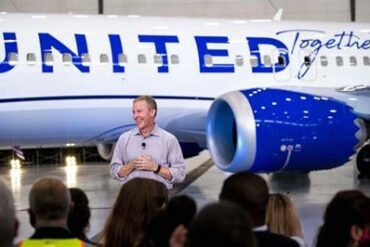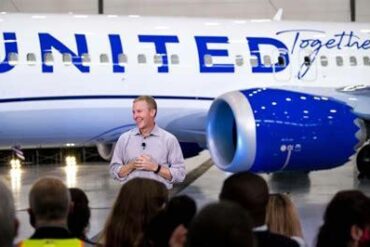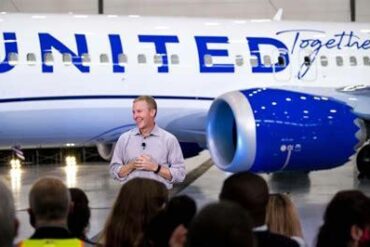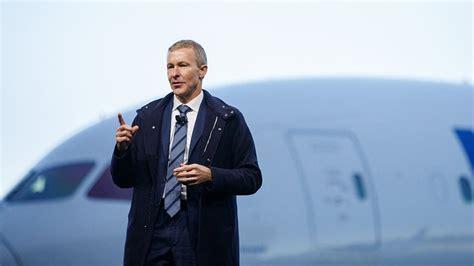
United Airlines CEO Scott Kirby has poured cold water on the prospect of any major airline mergers in the near future, declaring that pursuing smaller acquisition deals would be “idiotic” after American Airlines firmly rejected the idea of a blockbuster partnership between the two US aviation giants.
The comments, delivered during the Bernstein investor conference, mark a dramatic shift in tone from Kirby’s earlier suggestion that a merger between United and American could make strategic sense in a rapidly changing airline industry. Instead, the United chief executive now appears focused on profitability, network optimization, and operational stability rather than consolidation.
The latest remarks also expose the increasingly tense rivalry between America’s largest carriers as competition intensifies over lucrative domestic hubs, premium travelers, and international expansion opportunities.
For months, speculation had circulated across the aviation sector that a United-American merger could emerge as the industry’s next transformative mega-deal. Such a partnership would have created an airline with unmatched global scale, potentially reshaping competition across North America and international markets.
Yet American Airlines CEO Robert Isom wasted little time dismissing the idea publicly. According to Isom, combining the two legacy airlines would reduce competition, weaken consumer choice, and create unnecessary regulatory challenges in an already concentrated market.
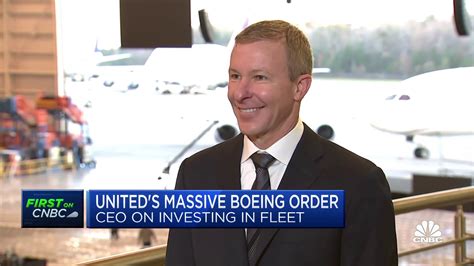
Isom famously described the relationship between the two carriers as “roommates” rather than a couple “getting married,” a comment widely interpreted as a direct rejection of Kirby’s proposal. The statement reinforced American’s determination to remain independent while continuing to aggressively challenge United in key strategic markets.
One of the fiercest battlegrounds remains Chicago O’Hare International Airport, where both airlines are investing heavily to dominate premium traffic and corporate contracts. American has continued expanding operations at the airport despite United historically viewing Chicago as one of its strongest hubs.
Kirby’s latest comments suggest United has now accepted that no large-scale merger partner is realistically available. Speaking candidly at the conference, he explained that American was effectively the only logical option for a transformative merger, but without mutual interest, the idea is dead for the “foreseeable future.”
The United CEO also dismissed recurring speculation surrounding JetBlue Airways as a potential acquisition target. Industry analysts have repeatedly floated JetBlue as a compatible partner because of its strong East Coast presence and customer-friendly brand image. However, Kirby argued the economics simply do not work.
According to Kirby, JetBlue’s profitability margins would need to improve by roughly 25 percentage points before any deal could become financially sensible. He characterized such expectations as mathematically unrealistic in today’s airline environment, particularly as operational costs continue rising across the sector.

Kirby’s skepticism toward low-cost and ultra-low-cost airlines reflects a broader concern spreading through the aviation industry. Budget carriers are increasingly struggling to maintain profitability as fuel prices remain volatile, airport fees climb higher, and intense competition compresses ticket pricing.
Unlike legacy airlines with extensive premium cabins and international networks, low-cost carriers often rely on razor-thin margins. Rising labor costs and operational disruptions have further complicated their ability to scale profitably.
United appears determined to avoid becoming entangled in those financial pressures. Instead, Kirby emphasized that the airline remains focused on strengthening its existing business model and improving margins organically rather than through acquisitions.
That strategy includes selective capacity reductions across underperforming routes. While some investors have interpreted those cuts as signs of weakness, Kirby insisted they represent disciplined financial management rather than a retreat from growth ambitions.
The airline industry continues facing significant economic uncertainty, particularly as geopolitical instability affects fuel prices and travel demand patterns. Ongoing fallout from the 2026 Iran crisis has already forced several international carriers to reevaluate route planning, operating costs, and long-haul profitability assumptions.
Within that volatile environment, Kirby argued airlines must make “sensible choices” to protect profitability instead of chasing risky expansion strategies.
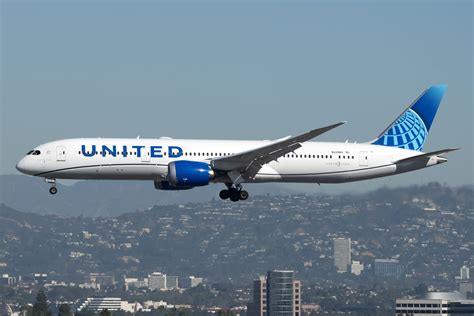
United remains one of the most powerful airlines in global aviation. The carrier operates more than 1,100 mainline aircraft and maintains one of the world’s largest international route networks through its membership in the Star Alliance. Its fleet includes a mixture of Boeing and Airbus narrowbody aircraft alongside an extensive collection of Boeing widebody jets used for long-haul operations.
Despite its dominant position, merger rumors have followed United for years. Analysts have long speculated that the airline could eventually pursue another acquisition to strengthen its competitive position against rivals including American, Delta Air Lines, and rapidly evolving low-cost competitors.
Kirby’s latest remarks now appear to shut down those expectations entirely. His blunt characterization of smaller airline deals as “idiotic” signals a leadership team far more interested in operational execution than corporate consolidation.
For the broader airline industry, the comments also reveal how difficult future mergers may become in an era of heightened regulatory scrutiny, political opposition, and growing concerns about reduced consumer competition.
At least for now, the era of transformational US airline mergers appears grounded.