
United Airlines CEO Scott Kirby has expressed his strongest optimism yet regarding the long-awaited overhaul of the Federal Aviation Administration (FAA), stating, “This is the most optimistic I’ve been in my entire career about finally getting the FAA fixed.” His remarks, made during a recent appearance on CBS’s Face the Nation with Margaret Brennan, come amid a renewed push by Transportation Secretary Sean Duffy for substantial investments to address widespread technical failures and safety concerns within the U.S. air traffic control system.
A Decades-Long Effort for Modernization
Kirby’s optimism reflects a significant shift in tone for the aviation industry, which has been grappling with aging infrastructure and growing congestion. He emphasized that recent developments suggest a genuine breakthrough, noting that he and others in the aviation sector have been advocating for these changes for decades. “We’ve turned the corner, and we have the commitment,” Kirby said, pointing to a rare alignment of bipartisan support and administrative momentum as critical factors driving the effort.
While the push for modernization is not new, Kirby argued that the current effort stands apart due to a stronger financial commitment from the federal government. He highlighted that the Biden administration, alongside Congress, is pursuing full, upfront funding for the overhaul, a crucial component that previous attempts have lacked. According to Kirby, this funding approach allows for comprehensive planning and execution, reducing the risks of delays and budget shortfalls.
Recent Outages Highlight Urgency for Reform
Kirby’s remarks come in the wake of a series of high-profile disruptions that have exposed the vulnerabilities in the current air traffic control infrastructure. In late April, a significant outage at Newark Liberty International Airport forced controllers to halt operations for 45 minutes, affecting thousands of passengers and grounding flights during a peak travel period. Just days later, a second outage at the same airport briefly left controllers without radar and communication with some aircraft for nearly 90 seconds.
The series of outages, combined with a fatal midair collision near Washington, D.C. earlier this year, have intensified calls for action. Transportation Secretary Duffy has been vocal about the need for a comprehensive technological upgrade, describing it as a multibillion-dollar endeavor that will require extensive coordination between government agencies, industry leaders, and Congress.
Bipartisan Momentum and a Clear Path Forward
Kirby underscored the bipartisan nature of the current push, describing the commitment to reform as “bicameral” and “across the board.” He noted that both the Senate and the House, along with Secretary Duffy, are aligned in their determination to modernize the system. This rare unity, Kirby suggested, could be the key to overcoming the bureaucratic inertia that has stymied previous reform efforts.
“It’s bipartisan, it’s bicameral,” Kirby emphasized. “Senate, House, administration, Secretary Duffy — across the board, a commitment to getting this fixed. We know how to do it.”
The Technical Challenges of FAA Modernization
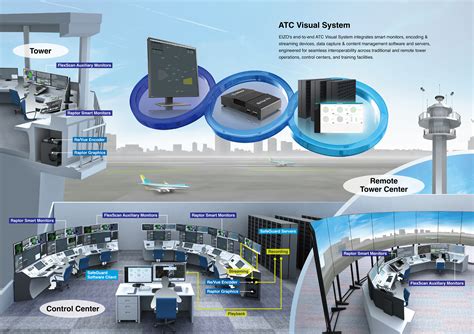
Modernizing the FAA is a complex and expensive undertaking, involving both hardware and software upgrades across hundreds of control centers, radar installations, and communication systems nationwide. Duffy has acknowledged the scale of the challenge, suggesting that the total investment could reach into the billions, though the exact figure remains uncertain as lawmakers debate funding levels.
Kirby also pointed to the need for updated training and support systems for air traffic controllers, many of whom are still working with decades-old equipment. He described the industry’s reliance on “backups to backups to backups” to maintain safety, a testament to both the resilience and the fragility of the current system.

Balancing Safety and Efficiency
Safety remains the top priority for airlines like United, Kirby stressed, noting that in the event of technical failures, the entire system is designed to prioritize passenger safety over operational efficiency. He described the procedures in place to ensure safety even during outages, including alternative frequencies, backup radars, and onboard systems that provide pilots with real-time positional awareness.
“What happens is the pilots look for alternative frequencies,” Kirby explained. “They go to alternative centers with alternative radars, and they also have a system in the airplane where they can see, its equivalent of radar, their position in the air, in the sky, and all the other aircraft around them.”
The Path to a More Resilient Aviation System
Looking ahead, Kirby expressed confidence that the ongoing reforms will create a more resilient, efficient, and safer aviation system. He praised Duffy as an “action-oriented” leader committed to seeing the project through, adding that the current political and financial alignment provides a rare window of opportunity to tackle the longstanding issues plaguing the FAA.
As the aviation industry braces for continued challenges in the coming years, Kirby’s optimism offers a hopeful signal that long-overdue improvements may finally be within reach. However, the road ahead will require sustained commitment from all stakeholders, from Congress to the cockpit, to fully realize the promise of a modernized air traffic control system.