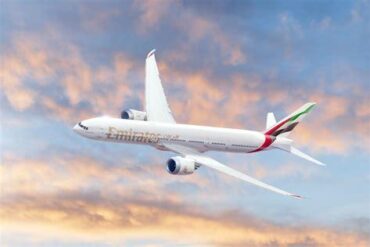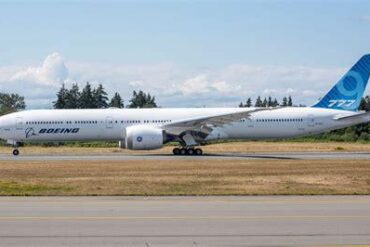
Dubai-based aviation giant Emirates is holding firm on its optimism that Boeing’s much-anticipated 777X widebody aircraft will finally enter its fleet by early 2027. Speaking from the sidelines of the International Air Transport Association (IATA) 81st Annual General Meeting in Delhi, Emirates President Sir Tim Clark emphasized that clear signs of progress from Boeing have revived hopes after years of uncertainty and manufacturing delays.
Clark, a seasoned industry figure known for his unflinching scrutiny of aircraft performance and manufacturer accountability, shared that Emirates is receiving “clearer messages” from Boeing regarding its updated delivery timeline. The remarks come after multiple postponements of the 777X’s original debut, which was initially slated for 2020. Now, with regulatory milestones in sight and renewed production momentum, Clark believes the airline could realistically receive the first jet between Q3 2026 and Q1 2027.
“I’m quite impressed with the energy, the concern they have about getting that done,” said Clark. “That’s why I was cautiously optimistic — because they weren’t just talking the talk, they were walking the talk.”
A $56 Billion Bet on the Future of Widebody Aviation
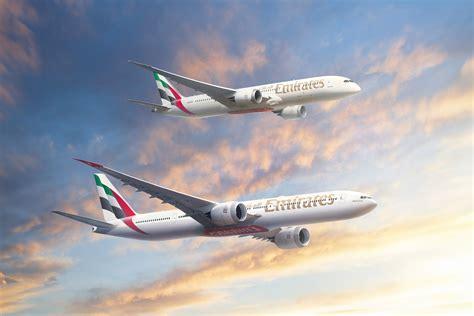
The scale of Emirates’ commitment to the Boeing 777X is monumental. In July 2014, Emirates placed an order for 150 aircraft, including 115 of the 777-9 and 35 of the 777-8 variants, valued at $56 billion. Since then, the carrier has secured purchase rights for an additional 50 units, raising the total potential order to 200 aircraft. This was part of one of the most significant product launches in commercial aviation history and positioned Emirates as the launch customer for Boeing’s next-gen flagship.
Despite the scale and significance of the order, progress was repeatedly derailed. Certification setbacks, manufacturing quality control failures, and the COVID-19 pandemic combined to push back the timeline considerably. Emirates had originally expected to be operating 80 Boeing 777-9s by now.
Still, Clark remains convinced that the latest delivery estimates are achievable — particularly if Boeing meets the timeline for completing ETOPS (Extended-range Twin-engine Operational Performance Standards) certification flight testing by early 2026. If successful, the aircraft could enter service before the end of that year.
Direct Engagement With Boeing Leadership
Emirates’ confidence in the revised schedule stems not only from Boeing’s internal progress but also from high-level dialogue between both companies. Clark cited his recent interactions with Boeing CEO Kelly Ortberg, highlighting what he described as a “high degree of determination and earnestness” within Boeing to resolve the 777X’s challenges and deliver on its promises.
Clark intends to travel to Boeing’s Seattle facility in September 2025 to inspect certification progress and oversee developments firsthand. The visit will coincide with critical phases of certification, which will determine whether the aircraft’s new manufacturing processes meet the stringent regulatory demands imposed after Boeing’s previous missteps, particularly those concerning the 737 MAX crisis.
Certification Timeline and the Road to Entry into Service
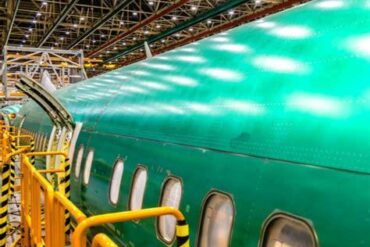
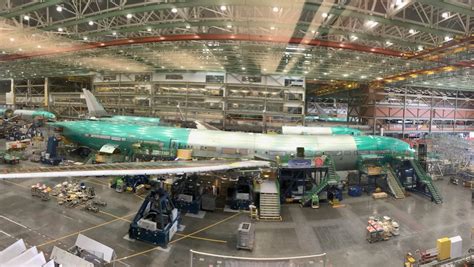
While Boeing had contractually agreed to deliver the first 777X to Emirates by October 2025, Clark acknowledges that this target is no longer viable. However, optimism is growing now that the 777X certification campaign has entered a more defined phase. Emirates is currently involved in buyer-furnished equipment (BFE) planning — an indicator that the airline expects to begin interior installation and customization on the aircraft at Boeing’s facilities soon.
BFE typically involves the integration of key cabin components such as seats, galleys, lavatories, and in-flight entertainment systems. The initiation of this phase signals that Emirates expects to see production readiness solidify as the aircraft nears the end of its certification journey.
“The important thing is they get it out and it’s certified to the rigours of the new Boeing approach to building aircraft, safety of operations, and all the quality controls they were having difficulties with before,” Clark added.
Managing Fleet Gaps Through Strategic Retention and Investment
The cascading delays of the 777X have had a profound operational impact on Emirates, which relies heavily on a mix of widebody aircraft to sustain its long-haul, high-frequency network. To mitigate the delivery shortfall, the airline is retaining older aircraft longer than planned and has embarked on a $5 billion cabin refurbishment program spanning 219 aircraft.
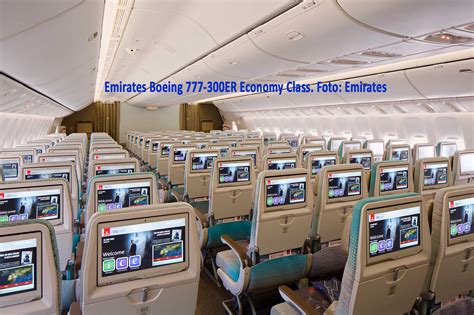
The comprehensive refurbishment includes installing the airline’s latest-generation premium economy class, modernizing business and first class cabins, and upgrading onboard technology across its aging fleet of Boeing 777-300ERs and Airbus A380s. These enhancements are expected to bridge the passenger experience gap until the 777X arrives.
Simultaneously, Emirates is beginning to integrate new Airbus A350-900s into its fleet. The first five of 65 units ordered have entered service and are helping maintain fleet capacity and operational flexibility during this transitional period. Though the A350s do not entirely match the payload or range capabilities of the future 777Xs, they are an effective stopgap solution.
Continued Commitment to the Airbus A380
In parallel with preparations for the 777X, Emirates remains steadfast in its commitment to the Airbus A380. The airline continues to operate 118 A380s, making it by far the largest A380 operator globally. Clark confirmed that Emirates will fly the aircraft well into the 2030s, contingent upon sustained product support and parts availability.
Emirates’ loyalty to the A380 underscores its strategy of offering high-density, premium-quality service on trunk routes where airport slot scarcity and passenger volumes make the aircraft viable. While most global carriers have phased out the double-decker, Emirates has embraced its uniqueness — turning it into a flagship product featuring onboard lounges, showers, and suites.
“We will continue to operate the A380 until the backend of the next decade,” Clark said, noting that parts availability and technical support will dictate the timeline.
Boeing’s Reputation on the Line
For Boeing, successfully delivering the 777X to Emirates is more than a matter of fulfilling a contract. It is an opportunity to rebuild trust with the aviation sector after years of damaging revelations and scrutiny. The company’s quality control lapses — from the 737 MAX tragedies to fuselage production issues — have cast a long shadow over its credibility. The 777X represents a crucial test of whether Boeing has truly internalized the lessons of the past.
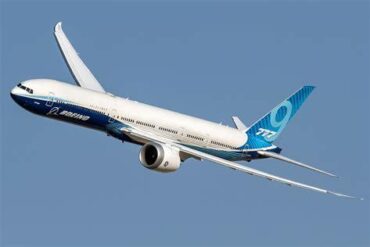
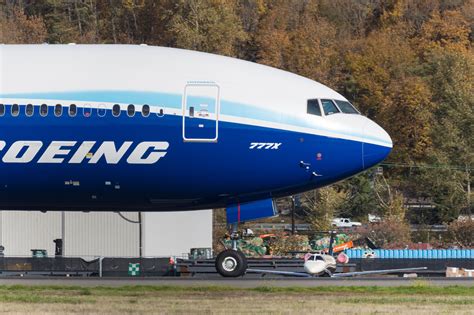
The aircraft itself is a bold evolution. Featuring composite wings with folding wingtips, GE9X engines, and a redesigned cabin, the 777X is poised to become the world’s largest and most efficient twin-engine jet. For Emirates, its arrival would unlock the next phase of global growth, particularly as demand rebounds and international travel reaccelerates.
Looking Ahead: A New Era for Emirates and Boeing
The anticipated arrival of the Boeing 777X at Emirates marks more than a fleet update — it is the culmination of over a decade of vision, partnership, and strategic alignment. If Boeing meets its delivery targets, Emirates could begin leveraging the aircraft’s extended range and fuel efficiency as early as late 2026, reshaping its global network and reinforcing its role as the Middle East’s preeminent long-haul airline.
Clark’s cautious optimism reflects the fragile balance between ambition and realism that defines modern aviation. With billions already invested and operational strategies hinging on the aircraft’s performance, the success or failure of the 777X program will reverberate well beyond Dubai or Seattle. It will influence future aircraft development, airline fleet planning, and manufacturer-operator relations across the industry for years to come.