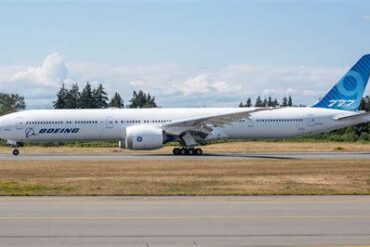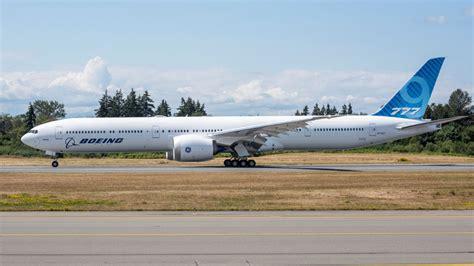
Boeing’s long-running struggle to bring the 777X into commercial service has encountered another major setback, with fresh comments from the Federal Aviation Administration indicating that certification is now unlikely to happen in 2026. The development raises serious questions about whether the aircraft’s first customer deliveries, previously expected in early 2027, can still be achieved.
The latest delay marks another chapter in one of the most prolonged certification journeys in modern aviation. Originally launched in 2013 and once expected to enter service years ago, the 777X is now approaching a delay of roughly seven years beyond its original schedule. For airlines, suppliers, and Boeing itself, the continued uncertainty is becoming increasingly costly.
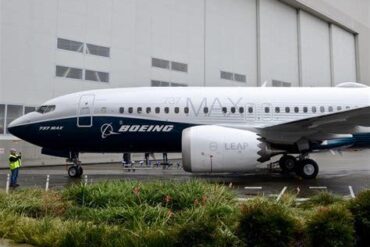
FAA Administrator Bryan Bedford recently indicated that certification priorities remain focused on the remaining members of the Boeing 737 MAX family, specifically the MAX 7 and MAX 10 variants. According to industry reports, those aircraft are expected to complete the certification process before attention shifts fully toward the 777X program.
For Boeing, the implication is clear: the timeline has moved once again.
After years of technical reviews, flight testing, and regulatory scrutiny, the world’s newest large twin-engine airliner remains grounded from commercial service while competitors continue strengthening their positions in the global widebody market.
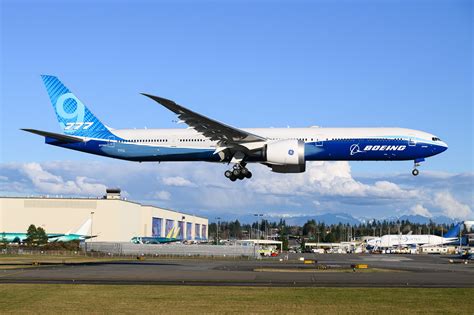
FAA Certification Timeline Continues To Challenge Boeing
Boeing had been targeting October 2026 certification for the 777X. That objective now appears increasingly difficult to achieve following the FAA administrator’s comments.
The manufacturer has repeatedly maintained that no major new technical issues have emerged on the aircraft itself. Instead, Boeing argues that the pace of regulatory review and certification requirements has largely driven the schedule extensions.
This distinction is important. Unlike some previous Boeing programs that encountered significant engineering challenges, the current obstacles surrounding the 777X are centered on completing the extensive certification framework required by regulators following heightened oversight introduced in recent years.
The FAA’s certification standards have become considerably more rigorous, particularly after the global scrutiny that followed the 737 MAX crisis. Every major aircraft program now faces deeper evaluations of software, systems integration, manufacturing processes, and operational safety assumptions.
As a result, even mature aircraft nearing completion can spend years navigating the final stages of regulatory approval.
Lufthansa Faces Uncertainty Over First Deliveries
Among the airlines most closely watching the situation is Lufthansa, the launch customer for the 777-9 variant.
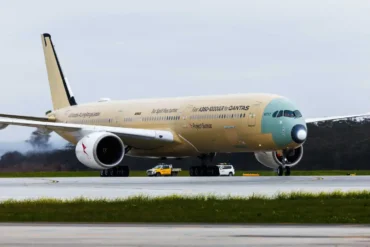
The German carrier has been preparing for the arrival of the aircraft as a centerpiece of its long-haul fleet modernization strategy. In May 2026, the first production-standard 777-9 intended for Lufthansa completed a significant three-hour maiden flight from Boeing’s Everett facility.
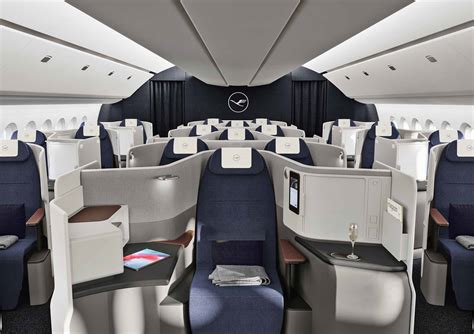
Unlike earlier test aircraft, this jet already features Lufthansa’s finished passenger interior, including the airline’s highly publicized Allegris business-class cabin.
The aircraft is currently undergoing operational evaluations covering passenger-facing systems such as:
- In-flight entertainment platforms
- Cabin connectivity and Wi-Fi performance
- Galley operations
- Passenger service systems
Despite this progress, certification delays could force Lufthansa to wait longer than expected before introducing the aircraft into commercial service.
Boeing Remains Optimistic About Flight Testing Progress
While regulators have signaled caution, Boeing leadership continues to express confidence regarding the technical side of the program.
Chief Executive Officer Kelly Ortberg recently stated that Boeing expects most flight testing activities to conclude before the end of the year, with Extended-range Twin-engine Operational Performance Standards (ETOPS) evaluations remaining among the final milestones.
The company’s message has remained relatively consistent: the aircraft itself is progressing through testing successfully, and Boeing is preparing for eventual deliveries.
Yet optimism inside Boeing does not automatically translate into regulatory approval. Certification remains entirely dependent on FAA assessment and acceptance of the aircraft’s compliance with all required standards.
The growing gap between Boeing’s expectations and regulatory timelines has become one of the defining characteristics of the 777X program.
Thirty Completed Aircraft Present A New Challenge
One of the lesser-discussed complications involves approximately 30 777X aircraft already built at risk before final certification.
These aircraft were manufactured while Boeing anticipated a much faster approval process. As certification requirements evolved and design updates accumulated, the stored airframes gradually drifted away from what will ultimately become the final approved production standard.
Industry analysts expect extensive modification work to be required before these jets can meet certification requirements.
Potential updates may include software revisions, avionics modifications, structural refinements around fuselage and wing-root areas, thrust-link assembly upgrades, and adjustments to wiring and pneumatic systems.
The challenge is made more complicated because many of these aircraft were assembled years apart. Each airframe may require a unique package of updates depending on its production date and configuration.
Several airlines have reportedly indicated they would rather wait for newly manufactured aircraft than accept heavily reworked examples from storage.
Why The Boeing 777X Matters To The Industry
The importance of the 777X extends far beyond Boeing’s delivery schedule.
The aircraft represents the company’s next-generation flagship widebody and incorporates many innovations derived from the successful 787 Dreamliner program. Passengers can expect larger electronically dimmable windows, improved cabin pressurization, lower cabin altitude settings designed to reduce fatigue, and redesigned interior architecture that creates a more spacious environment.
Perhaps the most visually distinctive feature is the aircraft’s folding wingtip system, a first for commercial aviation. The technology allows the aircraft to maintain an enormous wingspan during flight while fitting into existing airport infrastructure on the ground.
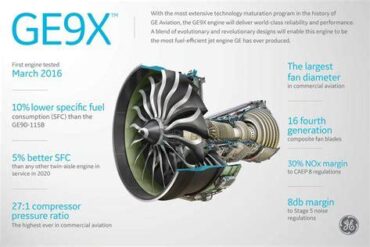
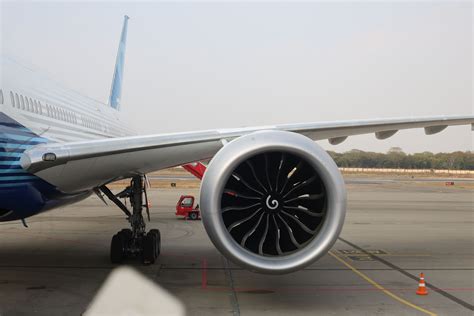
Powering the aircraft is the General Electric GE9X, currently recognized as the largest commercial jet engine ever developed. The engine was designed to deliver substantial improvements in fuel efficiency, emissions performance, and operating economics compared with previous-generation widebody aircraft.
The 737 MAX Family Remains Boeing’s Financial Lifeline
The timing of the certification delay also highlights the importance of the 737 MAX program to Boeing’s broader recovery.
The MAX 7 and MAX 10 are both moving toward certification, with regulators indicating that approvals could arrive before the end of the year. Success for those programs would provide Boeing with critical production stability and cash flow.
This is particularly important because widebody aircraft programs require enormous investment while generating comparatively lower production volumes. The financial engine that supports Boeing’s long-term development efforts remains the high-volume 737 family.
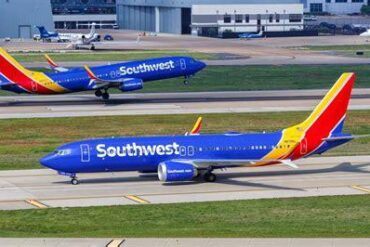
The MAX 10 alone has accumulated more than 1,400 firm orders, making it one of Boeing’s most strategically important products. Meanwhile, the MAX 7 remains essential for operators such as Southwest Airlines, whose fleet strategy depends heavily on the smallest MAX variant.
As Boeing works to restore profitability and manufacturing consistency, strong performance from the 737 lineup will help sustain the costly 777X program through its final certification stages.
Outlook For 2027 Deliveries
The Boeing 777X remains one of the most anticipated commercial aircraft programs in the world, but anticipation alone cannot overcome regulatory realities. With FAA certification now appearing unlikely in 2026, the possibility of additional delivery delays has become increasingly difficult to ignore.
Although Boeing continues to report encouraging progress in flight testing and production readiness, certification remains the final gatekeeper. Until regulators complete their review and formally approve the aircraft, airlines waiting for the next generation of long-haul capability must continue exercising patience.
For Boeing, every additional month of delay increases costs, extends uncertainty, and postpones the moment when the 777X can finally begin generating the commercial returns envisioned more than a decade ago when the program was first launched.