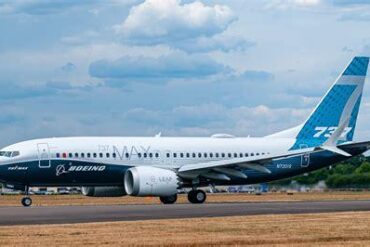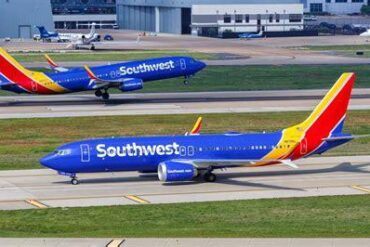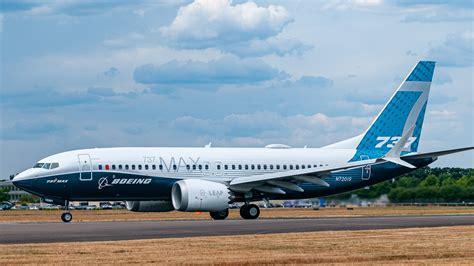
Boeing’s long-awaited 737 MAX 7 and 737 MAX 10 certification process is entering a critical final stage, with the Federal Aviation Administration (FAA) indicating that approval for both aircraft is “closer than ever.” The update marks a significant step forward for Boeing as the company works to clear regulatory hurdles that have delayed deliveries, disrupted airline fleet plans, and created one of the largest aircraft backlogs in commercial aviation history.
During the opening day of the Farnborough Airshow, FAA Deputy Administrator Chris Rocheleau told Reuters that the agency expects certification progress on the 737 MAX 7, 737 MAX 10, and Boeing 777X in the near future. FAA Administrator Bryan Bedford also confirmed that the regulator has increased resources dedicated to Boeing’s certification programs by approximately 35% to 40%, following coordination with the manufacturer to establish clearer priorities.
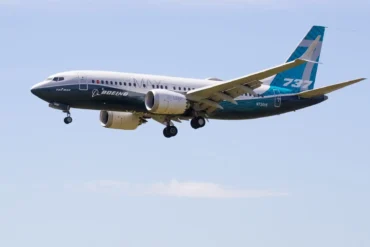
The FAA’s comments suggest that Boeing’s narrowbody programs are finally gaining momentum after years of engineering challenges and regulatory scrutiny. The 737 MAX 7 is expected to become the first of the delayed aircraft variants to complete final certification, with the larger MAX 10 expected to follow shortly afterward.
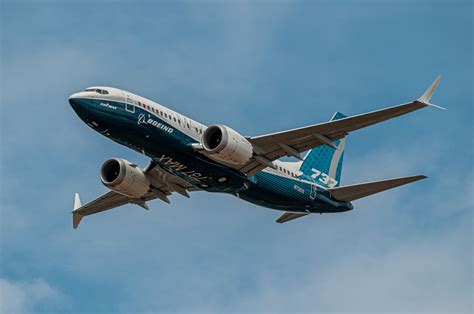
Boeing 737 MAX 7 Certification Progress After Engine Anti-Ice Challenges
The biggest obstacle preventing the Boeing 737 MAX 7 from entering commercial service has been related to its engine anti-ice system. Boeing has been working on an engineering solution to address the issue, while approximately 30 completed MAX 7 aircraft remain stored and awaiting delivery until regulatory approval is granted.
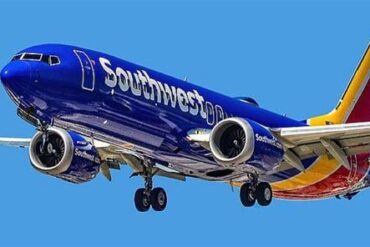
Although the anti-ice concern affects the entire 737 MAX family, aircraft already operating in airline fleets, including the MAX 8 and MAX 9, have continued flying under temporary arrangements while awaiting future modifications. For the MAX 7 and MAX 10, however, Boeing must demonstrate compliance before the FAA can issue final certification.
The 737 MAX 10, Boeing’s largest MAX variant, faces additional certification requirements beyond the anti-ice system. The aircraft must also receive approval for an enhanced angle-of-attack system, a key safety-related modification developed as part of the FAA’s expanded oversight following the MAX accidents.
The FAA’s renewed confidence reflects a broader improvement in Boeing’s certification relationship with regulators. After years of delays, the manufacturer has stabilized its engineering priorities, allowing the FAA to focus resources more effectively on reviewing technical documentation, testing results, and flight data.
FAA Restores Boeing Certification Authority as Confidence Improves
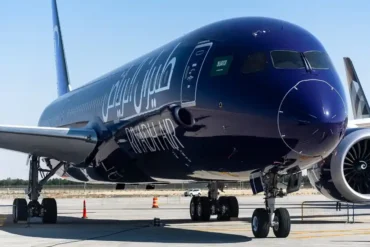
The latest certification progress follows another important milestone for Boeing. The FAA recently allowed the company to resume issuing individual airworthiness certificates for certain 737 MAX and 787 Dreamliner aircraft, restoring a responsibility that Boeing lost during investigations following the two 737 MAX crashes and the aircraft’s global grounding.
This decision represents a gradual return of regulatory trust, but it does not remove FAA oversight. Instead, it reflects improved cooperation between Boeing and regulators as the company demonstrates stronger quality control processes and more consistent engineering management.
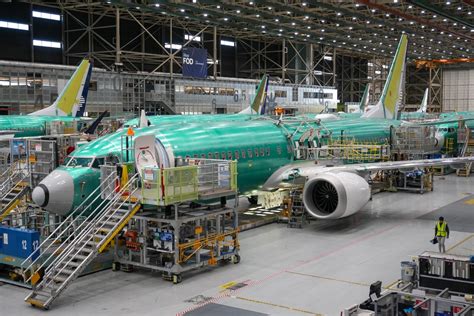
Returning some certification responsibilities to Boeing has also allowed FAA personnel to dedicate more attention to the remaining aircraft approval programs. This additional capacity could help accelerate the final stages of the MAX 7 and MAX 10 certification campaigns while maintaining strict safety standards.
Boeing Faces Pressure From Airlines Waiting for New Aircraft
The timing of the certification push is especially important because airlines worldwide are facing significant fleet shortages. The delayed approval of the 737 MAX 7, MAX 10, and 777X has contributed to a backlog of more than 1,600 aircraft orders, representing billions of dollars in delayed deliveries.
For Boeing, clearing certification bottlenecks is essential to increasing production rates and meeting airline demand. The company currently produces around 42 737 aircraft per month, with FAA approval allowing production to rise to approximately 47 aircraft monthly. Boeing plans to increase output further to 53 deliveries per month after the MAX 7 and MAX 10 receive certification.
Airlines have been waiting for the MAX 7 and MAX 10 because both variants offer important operational advantages. The MAX 7 provides strong performance for shorter runways and challenging operating environments, while the MAX 10 offers additional passenger capacity to compete directly with Airbus’ largest A321neo-family aircraft.
Boeing 777X Certification Remains on a Separate Timeline
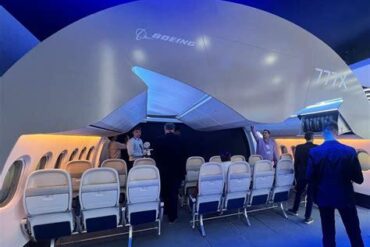
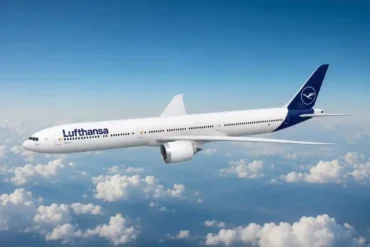
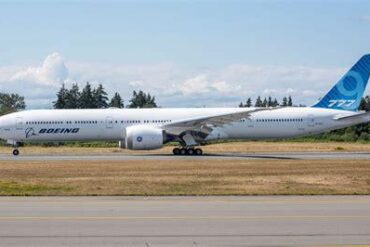
While the 737 MAX 7 and MAX 10 appear close to approval, the Boeing 777X continues to follow a longer certification path. The FAA has not committed to a specific approval date, although officials indicated that the widebody aircraft is likely to receive certification after the MAX variants are completed.
The 777X program has experienced delays of more than five years due to technical challenges, production disruptions, and the complexity of introducing new technologies. The aircraft features advanced innovations including folding wingtips, a massive composite wing, and some of the most powerful turbofan engines ever installed on a commercial aircraft.
FAA officials noted that the 777X has already passed a major milestone by completing more than half of its Type Inspection Authorization flight testing. Current expectations place certification around late 2026 or early 2027.
With the MAX 7 and MAX 10 approaching final approval, Boeing is moving closer to resolving one of the most significant challenges facing its commercial aircraft business. The next phase will determine whether the company can successfully convert certification progress into higher production rates, faster deliveries, and renewed confidence among airlines worldwide.