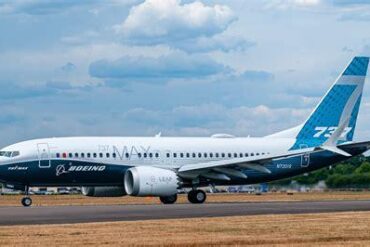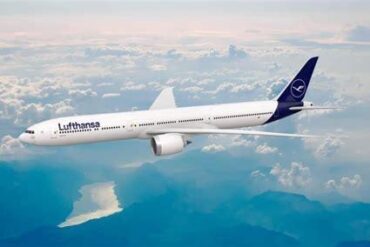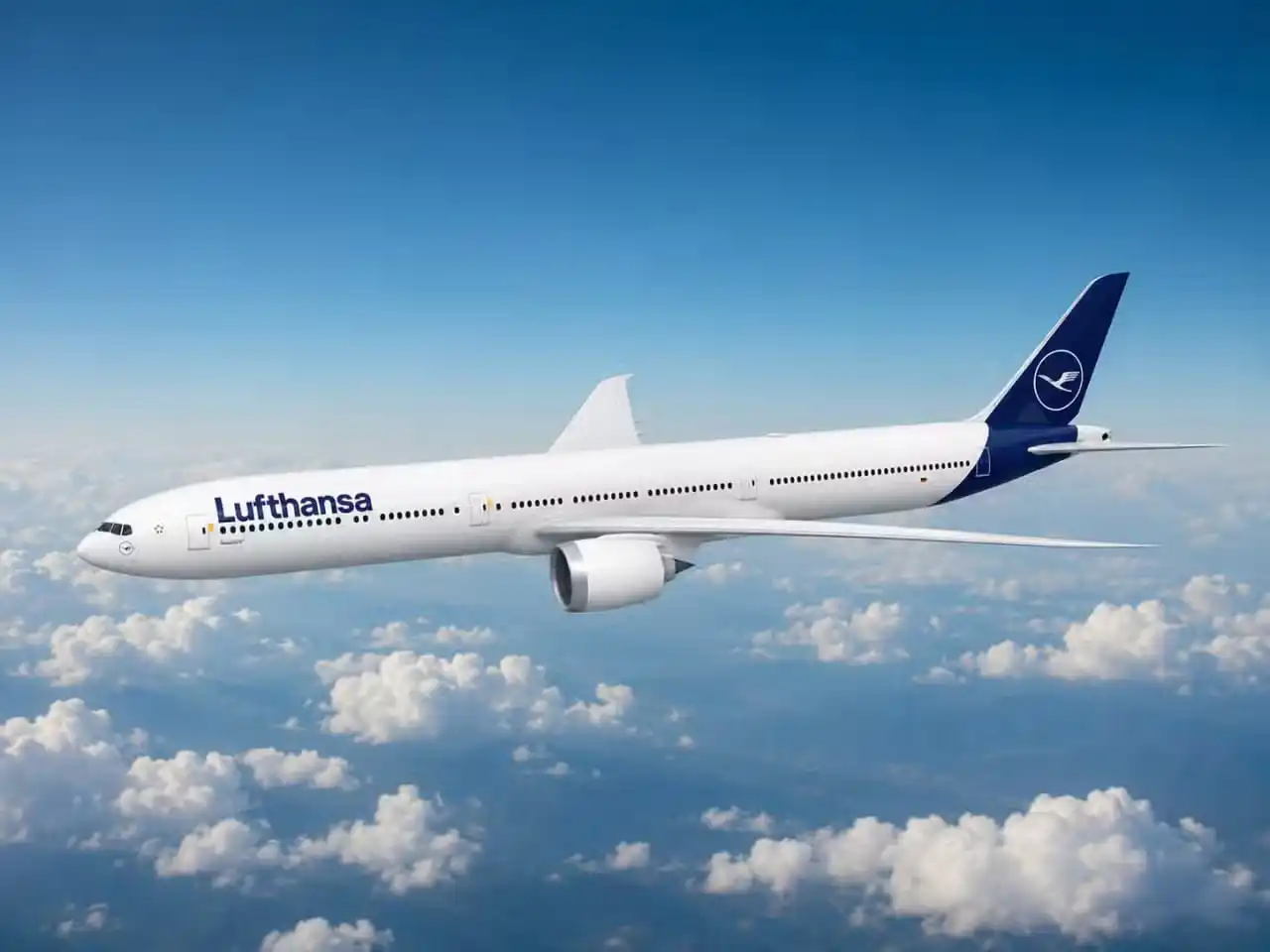
The long-delayed Boeing 777X program has finally crossed another major milestone after the first production-standard Boeing 777-9 built for Lufthansa successfully completed its maiden flight from Everett Paine Field in Washington. The aircraft, identified as WH128 and registered as N20080, took to the skies on May 7 in what aviation observers consider one of the most important test events for the widebody program in recent years.
For Boeing, the flight represents more than a routine production test. It is a visible sign that the company is moving beyond years of certification setbacks, engineering scrutiny, and delivery uncertainty surrounding the 777X family. For Lufthansa, the aircraft symbolizes the beginning of a long-awaited fleet renewal strategy that has been repeatedly delayed since the jet was originally expected to enter commercial service in 2020.
The aircraft completed a flight lasting approximately three hours, reaching a cruising altitude of 39,000 feet and speeds approaching 492 knots before landing shortly before 5:00 PM local time. Data tracked during the sortie showed a stable test profile, adding momentum to expectations that the first deliveries could finally begin within the next year.
Lufthansa’s Boeing 777-9 Arrival Marks A Critical Fleet Transition
Lufthansa has been waiting longer than almost any airline for the arrival of the Boeing 777-9. As the launch customer for the program, the German flag carrier committed early to the next-generation twin-engine widebody with plans to modernize its long-haul operations around the aircraft. The airline currently holds orders for at least 20 units.
The repeated delays forced Lufthansa into an uncomfortable operational position. Aging Boeing 747-400 aircraft, many averaging more than 26 years in service, remained active far beyond their intended retirement timelines. These jets were supposed to leave the fleet years ago, replaced by a more efficient and technologically advanced successor.
Instead, the airline has spent the past several years balancing rising maintenance costs, fuel efficiency concerns, and capacity management while waiting for Boeing’s flagship widebody to gain certification approval. Lufthansa executives now expect the final eight Boeing 747-400s to retire over the next one to two years as 777-9 deliveries gradually begin.
The timing is particularly symbolic because Lufthansa recently celebrated its centennial year of operations. Introducing the airline’s next flagship aircraft during this milestone period gives additional strategic importance to the 777-9 rollout.
Boeing’s 777X Program Continues Recovering From Years Of Delays
The Boeing 777X program was originally promoted as the future of ultra-efficient long-haul aviation. However, the aircraft’s development became one of the aerospace industry’s most prolonged and closely watched certification sagas.
Technical issues, regulatory reviews, software scrutiny, and broader industry challenges pushed the aircraft nearly seven years behind its original schedule. The delays also intensified pressure on Boeing following heightened global oversight of the manufacturer’s engineering and certification processes.
Despite those setbacks, Boeing continued refining the aircraft’s systems, performance characteristics, and structural components. The first Lufthansa production aircraft entering flight testing now suggests the manufacturer is entering a more mature stage of the program.
Industry analysts view this milestone as especially important because it involves a customer-ready production airframe rather than an early prototype. That distinction signals growing confidence in the jet’s final certification pathway and delivery timeline.
The Boeing 777-9 Is Designed To Redefine Long-Haul Efficiency
The Boeing 777-9 is positioned as the world’s largest twin-engine commercial aircraft and is intended to replace older four-engine giants such as the Boeing 747-400 and portions of the Airbus A380 market.
Configured for approximately 426 passengers, the aircraft delivers nearly the same passenger capacity as the Boeing 747 while operating with dramatically lower fuel consumption and maintenance requirements. Its economics are central to the aircraft’s appeal.
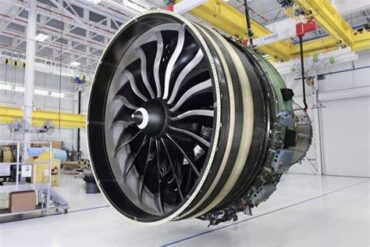
A major contributor to that efficiency comes from the enormous GE9X engines mounted beneath the wings. These powerplants collectively generate roughly 220,000 pounds of thrust while using advanced composite fan blades and an exceptionally high bypass ratio to improve fuel burn and reduce noise output.
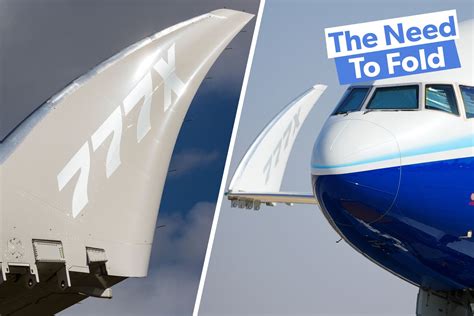
The aircraft also introduces one of the most recognizable engineering features in modern aviation: folding wingtips. The extended composite wings significantly improve aerodynamic performance by reducing drag during flight, but the folding tips allow the aircraft to fit existing airport gates without requiring major infrastructure modifications.
According to Boeing performance estimates, the 777-9 can reduce fuel burn per seat by approximately 20% to 25% compared with the Boeing 747-400. The aircraft also offers increased range capability alongside impressive cargo performance, with the lower-deck cargo hold expected to outperform even some passenger versions of the Boeing 747-8.
Lufthansa’s Allegris Cabin Will Transform The Passenger Experience
While the aircraft itself is technologically impressive, Lufthansa is equally focused on what passengers will experience inside the cabin. The Boeing 777-9 will become one of the centerpiece aircraft for the airline’s premium Allegris cabin concept.
The interior has been designed to compete aggressively in the high-end long-haul market, where passenger comfort and premium differentiation increasingly drive airline profitability.
Passengers will notice several structural improvements immediately, including larger windows, higher cabin ceilings, and a lower cabin altitude of around 6,000 feet. Those changes are intended to reduce fatigue and improve comfort during ultra-long-haul flights.
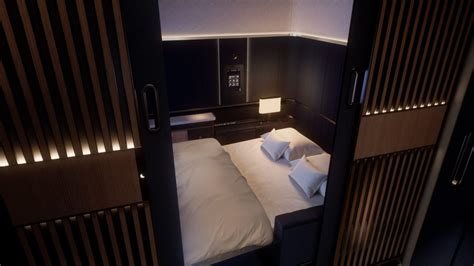
Lufthansa’s new first-class Suite Plus product may become one of the most luxurious commercial aviation offerings currently planned. The design includes two seats that can convert into a double bed inside a fully enclosed suite with ceiling-high walls and a closable door.
Business Class travelers will also receive major upgrades, including heated and cooled seating, wireless charging capability, ultra-large 4K entertainment displays up to 27 inches, and extended bed lengths designed specifically for side sleepers.
Although Lufthansa already introduced portions of the Allegris concept aboard Airbus A350 aircraft due to the 777X delays, the larger cabin dimensions of the Boeing 777-9 are expected to deliver the full flagship experience originally envisioned for the program.
As Boeing edges closer to certification and Lufthansa prepares its next-generation fleet strategy, the successful first flight of this production aircraft offers the clearest indication yet that the 777-9 era may finally be approaching commercial reality.