Long-haul airline pilots occupy some of the highest-paid positions in commercial aviation, but the assumption that every aircraft type automatically comes with a specific salary level is misleading. The debate surrounding whether Boeing 787 pilots are paid more than Boeing 777 pilots has become increasingly common as airlines modernize their fleets and negotiate new labor agreements. While there are examples where Dreamliner crews receive higher compensation, the answer is far more nuanced than a simple yes or no.
Compensation packages at major airlines are built from multiple components, including hourly rates, aircraft assignments, seniority, international premiums, retirement contributions, overtime, and profit-sharing arrangements. As a result, the same captain could experience dramatically different earnings despite flying aircraft with similar operational roles.
The Boeing 777 and Boeing 787 both serve as flagship long-haul aircraft across global carriers, yet airline-specific contracts create significant differences in how pilots are rewarded. Understanding these structures reveals why some 787 captains can exceed half a million dollars annually while many experienced 777 pilots still enjoy exceptionally lucrative careers.
Why Aircraft Type Alone Does Not Determine Pilot Salary
A common misconception is that airlines maintain a universal salary chart assigning fixed pay to every aircraft model. In reality, pilot compensation systems are far more sophisticated.
Most major airlines negotiate collective bargaining agreements that establish pay according to variables such as:
- Pilot seniority
- Rank as captain or first officer
- Aircraft category
- Flight hours
- International duty premiums
- Per diem allowances
- Holiday or premium assignments
- Overtime opportunities
- Retirement contributions
- Profit-sharing programs
This layered structure means two pilots operating similar aircraft may receive substantially different annual compensation despite logging comparable schedules.
Even within one airline, earnings can vary by hundreds of thousands of dollars depending on career stage and bidding opportunities.
United Airlines Offers One of the Clearest Boeing 787 Pay Advantages
Among major U.S. airlines, United Airlines provides perhaps the strongest public example where Boeing 787 captains earn more than Boeing 777 captains under the negotiated pay scale.
The airline’s most experienced Boeing 787 captains currently qualify for hourly rates approaching $465.13 per flight hour, while similarly senior Boeing 777 captains earn approximately $438 per flight hour.
Although the numerical gap may appear modest on paper, multiplied across an entire year of flying and combined with premium compensation, the difference becomes meaningful.
Pilots who maximize available flying hours while collecting international premiums, per diem payments, overtime assignments, and retirement benefits may see total annual compensation rise beyond $500,000.
Such figures represent the upper edge of airline compensation rather than the average experience, but they demonstrate that aircraft assignment can influence earnings when supported by contractual provisions.
American Airlines Shows a Different Compensation Philosophy
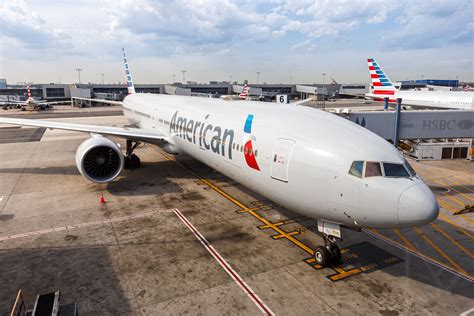
Unlike United, American Airlines generally treats the Boeing 777 and Boeing 787 as equivalent positions within its widebody pay structure.
Experienced captains on either aircraft reach roughly $455.96 per flight hour, eliminating any notable salary distinction based solely on aircraft assignment.
This approach reflects a philosophy adopted by numerous airlines worldwide: rewarding pilots according to aircraft category rather than differentiating between two technologically advanced long-haul platforms.
For senior American Airlines captains, annual compensation from flight pay alone can exceed $410,000, while overtime, profit-sharing, premium trips, and additional contractual benefits may significantly increase total income.
The example demonstrates that a higher Boeing 787 salary is not an industry-wide rule but rather a company-specific decision.
Seniority Has a Greater Financial Impact Than Aircraft Model
Within commercial aviation, seniority governs nearly every aspect of a pilot’s career progression.
Pilots accumulate years of service that determine:
- Promotion eligibility
- Schedule preferences
- Vacation selection
- Base assignments
- Aircraft bidding rights
- International route access
Because senior pilots naturally command higher pay rates, newer aircraft such as the Boeing 787 frequently become associated with larger salaries simply because veteran captains choose to operate them.
This creates the impression that the Dreamliner itself commands premium wages when, in practice, seniority often explains much of the difference.
A first officer assigned to a Boeing 787 early in a career may still earn substantially less than an experienced Boeing 777 captain with decades of service.
Flight Hours Represent Only Part of Annual Income
When discussing pilot salaries, published hourly rates often receive the greatest attention. However, hourly compensation typically covers only block time from aircraft pushback until engine shutdown.
Several additional income streams can substantially increase annual earnings.
Per diem payments compensate crews for time spent away from their home base and become particularly valuable during international operations involving extended layovers.
Premium pay for difficult schedules or holiday operations further boosts compensation.
Many airlines also reward additional flying beyond monthly guarantees through overtime rates.
Retirement contributions provide another significant benefit. Major U.S. carriers often contribute a percentage of salary toward pension or retirement plans regardless of employee participation levels, creating long-term financial value beyond direct wages.
Collectively, these benefits can add tens of thousands of dollars to yearly compensation.
Why Some Boeing 787 Pilots Can Exceed Half a Million Dollars
Reports of Boeing 787 pilots earning more than $500,000 annually often attract headlines, but reaching those numbers requires an exceptional combination of favorable circumstances.
Typically, these pilots possess:
- Maximum seniority
- Captain status
- Assignment at a high-paying airline
- Extensive international flying
- Significant overtime participation
- Premium trip assignments
- Strong retirement contributions
- Additional contractual incentives
Rather than representing ordinary base salary, such compensation reflects comprehensive employment packages accumulated over many years.
Consequently, the impressive figures should be viewed as top-tier career outcomes instead of standard expectations across the industry.

Global Boeing 777 Pilot Salaries Remain Extremely Competitive
Outside North America, Boeing 777 captains continue to enjoy some of the strongest compensation packages available in commercial aviation.
Regional labor markets, tax structures, housing benefits, and airline business models all influence earnings.
Estimated annual salary ranges for experienced Boeing 777 captains include:
| Region | Typical Annual Captain Salary |
|---|---|
| Middle East | $250,000–$350,000+ |
| North America | $220,000–$330,000 |
| Asia-Pacific | $200,000–$320,000 |
| Europe | $180,000–$280,000 |
Several Middle Eastern carriers supplement salaries with tax advantages, housing allowances, transportation benefits, education assistance, and generous leave programs that increase overall financial value.
Therefore, a Boeing 777 captain abroad may ultimately enjoy compensation comparable to or exceeding some Boeing 787 positions elsewhere.
The Boeing 787’s Modern Technology May Influence Airline Pay Decisions
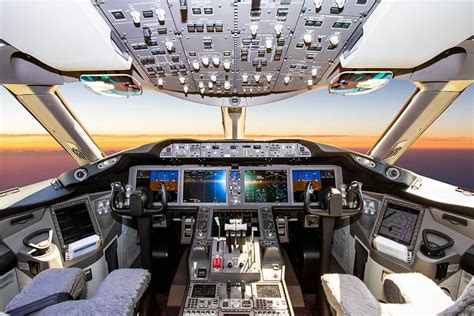
The Dreamliner incorporates technologies that distinguish it from previous generations of widebody aircraft.
Among its notable innovations are advanced fly-by-wire controls, highly integrated digital avionics, composite airframe construction, and software-driven flight management systems.
Although Boeing designed both aircraft families with commonality in mind and pilots can often transition efficiently between them through unified type ratings, airlines may nevertheless recognize the operational differences when negotiating compensation.
Some labor agreements reward operation of newer equipment or assign higher pay classifications to reflect fleet modernization strategies.
However, technological sophistication alone rarely explains salary differences. Contract negotiations and labor market conditions remain far more influential.
Fleet Demand Can Shift Compensation Patterns
Airlines continuously adjust fleet planning according to passenger demand, maintenance costs, fuel efficiency, and network expansion.
The Boeing 787 has become especially attractive because of its fuel-efficient engines and long-range capabilities, enabling carriers to profitably operate thinner intercontinental routes that larger aircraft may not support economically.
As airlines expand Dreamliner operations, demand for qualified pilots may increase correspondingly.
Higher demand occasionally strengthens bargaining positions during union negotiations, potentially resulting in improved compensation for crews assigned to rapidly growing fleets.
Meanwhile, airlines operating mature Boeing 777 networks may maintain more stable staffing levels, reducing immediate upward pressure on aircraft-specific wage adjustments.
Pilot Labor Shortages Are Raising Compensation Across the Industry
The recent wave of pilot shortages has fundamentally reshaped airline compensation worldwide.
Mandatory retirements, post-pandemic recovery, fleet growth, and expanding international travel have intensified competition for experienced cockpit crews.
Major airlines increasingly rely on improved contracts to attract and retain qualified personnel.
These agreements often include:
- Larger hourly pay increases
- Better retirement funding
- Enhanced scheduling flexibility
- Improved quality-of-life provisions
- Higher overtime incentives
- Increased profit-sharing opportunities
Consequently, whether flying a Boeing 777 or Boeing 787, many long-haul pilots today earn significantly more than colleagues did only a few years ago.
The broader market trend has elevated compensation across nearly every fleet category.
Career Progression Often Matters More Than Aircraft Selection
Aspiring airline pilots frequently focus on reaching specific aircraft assignments, believing that operating the largest or newest jet guarantees maximum earnings.
Industry experience suggests otherwise.
Career progression—including upgrading to captain, accumulating seniority, joining financially strong airlines, and accessing premium international schedules—usually has a much larger impact on lifetime earnings than choosing between the Boeing 777 and Boeing 787.
A senior captain flying a 777 under an excellent labor agreement may comfortably out-earn a relatively junior Dreamliner captain at another carrier.
Likewise, regional differences, tax environments, and airline profitability frequently outweigh technical distinctions between aircraft models.
For pilots planning decades-long careers, selecting the right employer and advancing through seniority often proves far more valuable than focusing exclusively on fleet assignment.
The Verdict: Are Boeing 787 Pilots Really Paid More Than Boeing 777 Pilots?
The evidence shows that Boeing 787 pilots can earn more than Boeing 777 pilots at certain airlines, but the pattern is far from universal. United Airlines provides a prominent example where senior Dreamliner captains receive higher hourly rates than their 777 counterparts, creating the possibility of annual compensation exceeding half a million dollars when premiums and benefits are included.
At the same time, airlines such as American maintain equal pay scales for both aircraft families, illustrating that many carriers regard them as equivalent top-tier widebody assignments. Around the world, experienced Boeing 777 captains continue to command exceptionally strong salaries that often rival or surpass Dreamliner earnings depending on region, contract terms, and additional benefits.
Ultimately, the biggest determinants of airline pilot income remain seniority, rank, employer, negotiated labor agreements, international flying opportunities, and supplemental compensation. Aircraft type may influence earnings at selected carriers, but it is only one piece of a much larger financial picture that defines what long-haul pilots actually take home each year.